Cheek fillers are a popular non-surgical cosmetic procedure designed to enhance facial volume and contour, contributing to a more youthful appearance. For those considering this treatment, understanding the cheek filler swelling stages is crucial for a smooth recovery process. Swelling is a normal part of the healing journey, and knowing what to expect can help manage expectations.
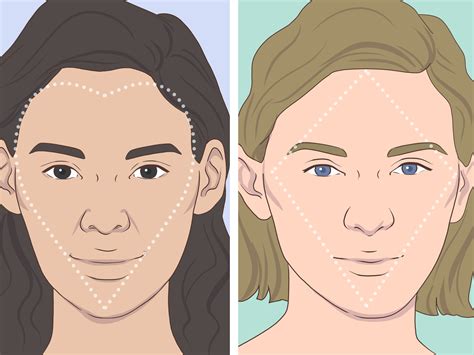
What to Expect Immediately After Cheek Filler Injections
Following cheek filler injections, it is common to experience some degree of swelling, tenderness, and potentially bruising. These reactions are a natural part of your body's adjustment and healing process at the injection sites. While the intensity of swelling varies, the cheek filler swelling stages generally follow a predictable pattern.
Several factors contribute to the swelling you might experience:
- Inflammatory Response: Your body's natural reaction to the filler material and needle insertion involves increased blood flow to the area, which can cause mild swelling.
- Injection Technique: The depth and number of injections can influence the degree of swelling.
- Type of Filler: Different filler materials, such as hyaluronic acid or others, can affect the duration and extent of swelling.
Cheek Filler Swelling Stages: A Day-by-Day Recovery Guide
Day 1: Immediate Post-Procedure Swelling
Within the first few hours after the procedure, significant swelling in the cheeks is likely. This often represents the peak of the swelling stage. Alongside swelling, you might notice redness, bruising, and slight tenderness around the injection sites. Your cheeks may feel puffy or heavy, and the area might be a little sore. This is a normal part of the cheek filler swelling stages and will gradually subside.
Recovery tips for Day 1:
- Apply an ice pack wrapped in a clean cloth to reduce swelling.
- Avoid touching the treated area unless instructed by your provider.
- Stay upright for several hours to help minimize swelling.
- Avoid vigorous exercise and alcohol consumption, as these can worsen swelling.
Days 2-3: Peak Swelling Stage
By day two, the swelling is typically at its most prominent. Your cheeks may appear fuller than anticipated, but this is temporary. Bruising might also be more visible during these days, especially on sensitive skin. You may still feel puffiness and tightness in your cheeks. These sensations are normal at this point in the cheek filler swelling stages and indicate the filler is settling.
Recovery tips for Days 2-3:
- Continue using cold compresses to reduce swelling.
- Sleep with your head elevated to prevent fluid buildup.
- Refrain from strenuous activities that increase blood flow to the face.
- Stick to gentle skincare and avoid facials or massages that could disturb the filler.
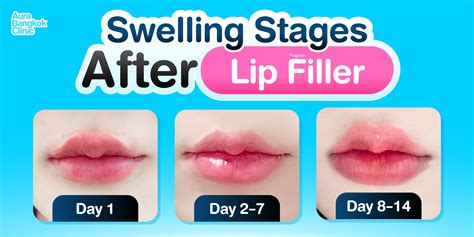
Days 4-7: Swelling Begins to Subside
By the fourth day, you should notice the swelling starting to decrease. Bruising will begin to fade, and your cheeks will appear more natural as the filler integrates with your tissues. While some puffiness might remain, this marks the beginning of the end of the most noticeable cheek filler swelling stages. You should feel more comfortable as the swelling diminishes, with any soreness becoming minimal, though slight tenderness upon touch may persist.
Recovery tips for Days 4-7:
- Gradually return to light physical activities, ensuring they don't put pressure on your face.
- Stay hydrated by drinking plenty of water to aid your body in metabolizing the filler and reducing inflammation.
- Continue to avoid excessive sun exposure or activities that could increase swelling.
Days 7-14: Swelling Mostly Resolved
By the end of the first week and into the second, most of the swelling should be gone. Any residual puffiness will be minimal and continue to fade. Your cheeks will appear more defined, and the final results of the filler treatment will become increasingly apparent. At this stage, your cheeks should feel more natural, and tightness should have subsided. Most patients feel fully recovered by the end of the second week.
Recovery tips for Days 7-14:
- If slight swelling persists, continue using cool compresses as needed.
- Resume normal activities, including exercise, unless otherwise directed by your healthcare provider.
- Maintain a good skincare routine to keep your skin looking its best post-procedure.
Weeks 3-4: Final Results Revealed
By the third to fourth week, you should be able to see the final results of your cheek filler treatment. Swelling should be fully resolved, and your cheeks will have settled into their final shape, offering a subtle enhancement of volume and contour. You should feel completely normal by this stage, with no discomfort or noticeable puffiness, allowing you to fully enjoy the benefits of your cheek filler.
Post-recovery tips:
- Follow up with your practitioner if you have any concerns or questions about the results.
- Continue taking care of your skin to maintain a healthy glow.
- Shield your skin from the sun with high SPF to preserve your results.
Frequently Asked Questions About Cheek Fillers
How long do cheek fillers last?
Cheek fillers typically last between 6 months and two years before the results begin to fade. The longevity can vary depending on factors such as the type of filler used, your body’s metabolism, and how you manage the cheek filler swelling stages during recovery.
Is it normal for one side of cheek fillers to be more swollen?
Yes, it is normal for one side to be more swollen than the other after getting fillers. Swelling can differ due to variations in how injections were administered or how your body reacts. This asymmetry usually evens out as the swelling subsides over the next few days.
Are cheek fillers safe?
Cheek fillers are generally safe when administered by a skilled and experienced practitioner. While mild side effects like swelling and bruising are part of the normal cheek filler swelling stages, serious complications are rare with proper care and technique.
Full Face Dermal Fillers Treatment Demonstration by Dr Tristan Mehta
Aftercare Tips to Minimize Swelling and Enhance Results
Following proper aftercare is essential for achieving the best possible results from your cheek filler treatment. Adhering to these guidelines can help minimize swelling, reduce the risk of complications, and ensure a smooth recovery process.
Key Aftercare Recommendations:
- Ice Application: Applying ice to the treated area during the first 24 to 48 hours can help reduce swelling and discomfort. Ensure a barrier is used between the ice and skin to prevent frostbite.
- Avoid Blood-Thinning Medications: To minimize the risk of bruising and excessive swelling, avoid medications like aspirin before and after treatment. Consult your practitioner for specific recommendations.
- Keep Head Elevated: Elevating your head while sleeping or resting during the first few days can help reduce swelling by promoting fluid drainage.
- Stay Hydrated: Maintaining proper hydration is essential for healing and processing the filler material. Drinking plenty of water can aid in reducing swelling.
- Avoid Strenuous Activities: Refraining from intense physical activities and exercise for at least 24 to 48 hours can prevent increased blood flow to the treated area, which may exacerbate swelling.
Complications to Look Out For
It is also important to be aware of potential complications following treatment:
- Allergic Reactions: Although rare, some patients may experience an allergic reaction to the filler material. Signs include severe swelling, redness, or itching. Contact your practitioner immediately if these symptoms occur.
- Infection: Infections are uncommon but can occur. Following aftercare tips is crucial to minimize this risk. Signs include increased pain, pus, or persistent redness. Seek medical attention promptly if you suspect an infection.
- Asymmetry: In some cases, uneven filler distribution can result in asymmetry. If you notice any irregularities, contact your practitioner to discuss potential corrective measures.
When to Consult a Professional
If you experience any unusual symptoms or concerns during your recovery, do not hesitate to reach out to your practitioner for advice. They can provide guidance on managing your symptoms and determine if further intervention is necessary.
Frequently Asked Questions (FAQs)
How long does swelling last after cheek fillers?
Swelling typically lasts for one to two weeks. It may be more pronounced in the first few days but gradually subsides as the body adjusts to the filler material. By the end of two weeks, most patients experience a complete resolution of swelling.
Do cheek fillers look better after a few days?
Yes, cheek fillers generally look better after a few days as the initial swelling and redness decrease. This allows the filler material to settle, resulting in a more natural and balanced appearance.
Do cheek fillers look bigger at first?
Cheek fillers may look bigger at first due to immediate swelling and inflammation. This is temporary and will subside over one to two weeks, revealing the desired results.
How long does it take filler to settle?
It takes approximately one to two weeks for the filler to settle completely. During this time, the body adjusts, swelling diminishes, and the final, natural-looking results are revealed.
How do you reduce swelling in cheeks after fillers?
To reduce swelling, apply ice packs, keep your head elevated, stay hydrated, avoid blood-thinning medications, and refrain from strenuous activities for 24 to 48 hours after treatment. Following these aftercare guidelines helps minimize swelling and promotes a smoother recovery.
Why are my cheeks hard after filler?
Cheeks may feel hard after filler due to initial swelling and inflammation. This firmness should subside as swelling decreases and the filler settles within one to two weeks. If hardness persists, consult your practitioner.
What not to do after having cheek fillers?
After cheek fillers, avoid touching or massaging the treated area, engaging in strenuous activities, taking blood-thinning medications, and exposing the area to extreme heat or cold for at least 24 to 48 hours. These precautions help minimize swelling and reduce the risk of complications.
How long does it take for cheek fillers to settle?
It takes one to two weeks for cheek fillers to settle. During this time, swelling decreases, and the body adjusts to the filler material, revealing the final, natural-looking results.
What to do after getting cheek filler?
After getting cheek filler, follow your practitioner’s aftercare guidelines, including applying ice packs, keeping your head elevated, staying hydrated, avoiding blood-thinning medications, and refraining from strenuous activities for 24 to 48 hours. Proper aftercare is essential for optimal results.
When can I wash my face after cheek filler?
You can usually wash your face gently within a few hours after cheek filler treatment. Avoid using harsh cleansers or scrubbing the treated area. Consult your practitioner for specific instructions.