A chemical peel is a skin-resurfacing treatment designed to improve skin texture and tone by removing damaged outer layers. These professional exfoliation treatments remove dead skin cells and stimulate skin regeneration, addressing a range of concerns from acne scars and hyperpigmentation to fine lines and uneven skin tone.
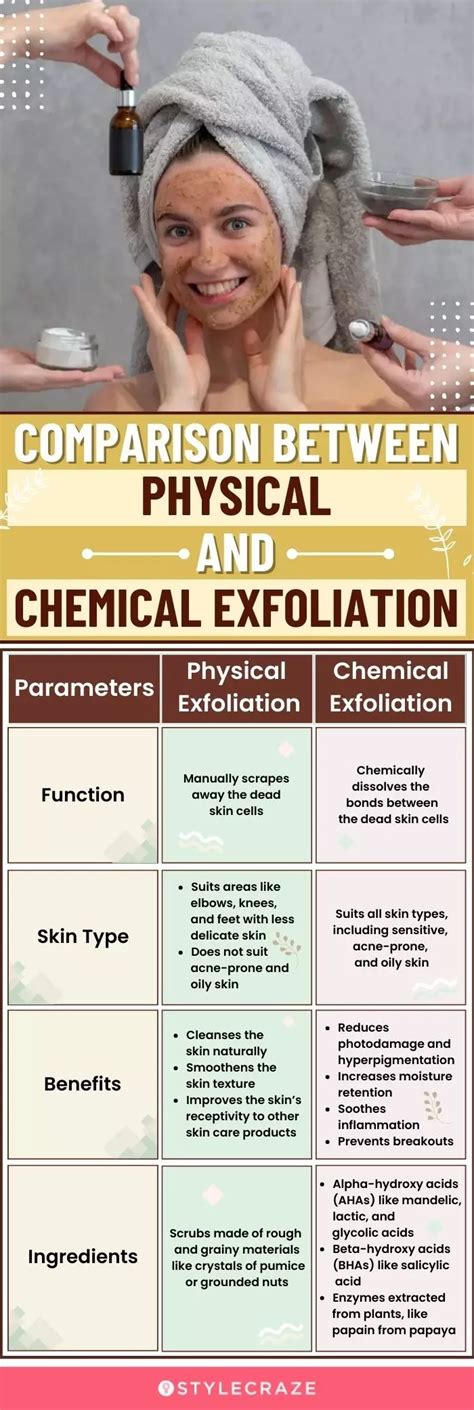
Over time, dead skin cells can build up on the skin, leading to dullness, flaking, and textural irregularities. To achieve more radiant, glowing skin, it is important to exfoliate and encourage skin cell turnover. While both chemical and physical exfoliation methods exist, chemical peels often provide a more gentle approach, especially for inflamed or sensitive skin, unlike physical exfoliation which can be too abrasive.
Benefits and Applications of Chemical Peels
Chemical peels are suitable for various skin types and concerns. At clinics in Kansas City, these expertly administered peels are designed to enhance your skin's overall health. They are an effective way to address common skin issues such as sun damage, hyperpigmentation, acne scars, fine lines, and dull texture. Unlike over-the-counter products or spa treatments, professional peels are dermatologist-selected and customized to your specific skin type for powerful, targeted results.
Types of Skin Concerns Treated:
- Uneven skin tone or melasma
- Acne and post-inflammatory hyperpigmentation
- Sun spots and age spots
- Fine lines and rough skin texture
- Dull, congested, or oily skin
Chemical peels can provide a significant reduction in the appearance of damaged skin and signs of aging. They can also help to remove pre-cancerous skin growths, soften acne facial scars, and even control acne. As we age, our skin cell turnover slows down, which can leave the skin looking tired and dull. A chemical peel can accelerate this process, immediately leaving the skin looking brighter and tighter.
What to Expect During and After Treatment
The precise formula used in chemical peels can be adjusted to meet each patient’s individual needs. The treatment time for chemical peels depends on the depth of the peel; light peels may take only 15 minutes, while medium or deep peels can take up to an hour.
During the Peel:
Once the formula has been selected, the skin is thoroughly cleansed. The chemical solution is then applied in layers to the face, neck, and chest. You may feel mild tingling or warmth during the application.
After the Peel:
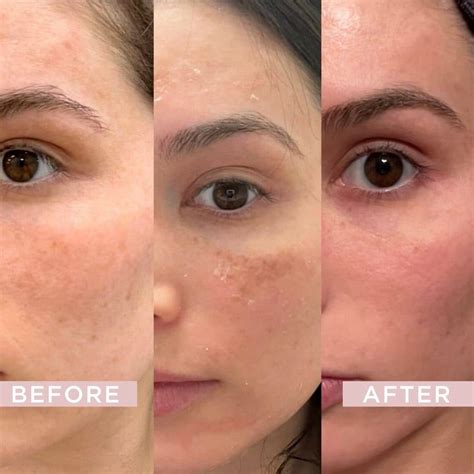
Depending on the strength of the peel, you may experience light flaking to moderate peeling over the next 3-7 days. For light chemical peels, very little aftercare is typically needed. However, medium or deep chemical peels require more follow-up care, and you should arrange for assistance during the initial recovery period. You may experience swelling, and as you heal, a crust or scab will form on the treated area. Once this scabbing disappears, new skin will begin to form, typically after about one week. The results of the chemical peel are visible only after your old skin has flaked or peeled off.
While a chemical peel can be performed in conjunction with other procedures, it is not a substitute for surgery. However, it can help prevent or slow down the aging process.
Recovery and Results
How long it takes to recover from a chemical peel varies based on the strength of the peel you receive. Your return to normal activity can range from a day to a week with a light peel. For most patients, chemical peels are not painful, although there may be some discomfort depending on the strength of the peel.
Yes, you can see results after one chemical peel. Regardless of which chemical peel is administered, results will be noticeable once your skin recovers. You may notice some immediate results, like shinier, glowing skin, but your chemical peel results will progress throughout the next few days as your skin heals.
Deep Chemical Peel: The most powerful and dangerous skin treatment you can get
Frequency and Customization
How often you should get a chemical peel will vary depending on the type of peel and your individual skin goals. Light peels can be repeated every 3-6 weeks for maintenance. Medium peels can be applied every 3 to 6 months, depending on your skin’s tolerance and goals. You should only receive deep chemical peels once or twice a year.
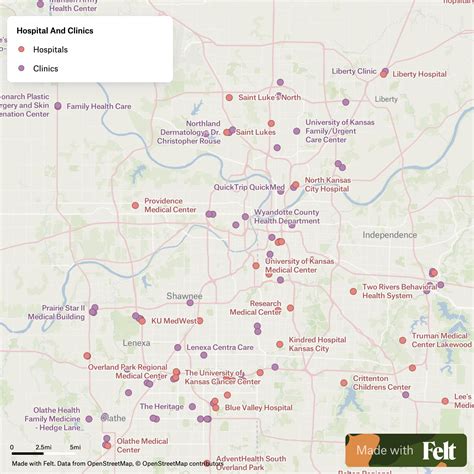
Clinics in Kansas City offer a variety of appointment types and often integrate chemical peels with your broader skin health and anti-aging goals. Board-certified dermatologists ensure your skin is evaluated before every peel to choose the right depth and formula for safe, effective treatment. They offer customized treatment plans for your unique skin, utilizing safe and effective formulas, including salicylic, glycolic, and TCA peels.
Choosing a Provider in Kansas City
When seeking chemical peels in Kansas City, it is beneficial to choose providers with experienced medical and cosmetic staff who combine decades of experience with a results-driven vision. Board-certified dermatologists who founded some of these centers are trained medical professionals with extensive training in skin care and medical dermatology.
Many patients who combine treatments notice better, faster results than doing one treatment alone. Consultations are an important part of the process, allowing the team to truly get to know you and your skin concerns. Your provider will ensure you are comfortable, clean the treatment area, and then apply the chemical peel product. Once the treatment is completed, a discussion will follow to review any additional concerns, questions, and post-care instructions.
Services are often conveniently located, serving areas such as Prairie Village, Overland Park, Leawood, Brookside (Kansas City), Fairway, Mission Hills, Corinth, and Westwood. Some locations also offer same-week appointment availability.