Benzoyl peroxide is a widely used medication for the treatment of acne. It is available in various strengths and forms, including lotions, gels, soaps, and liquids. This active ingredient plays a crucial role in managing acne, particularly more severe forms like cystic acne.
How Benzoyl Peroxide Treats Acne
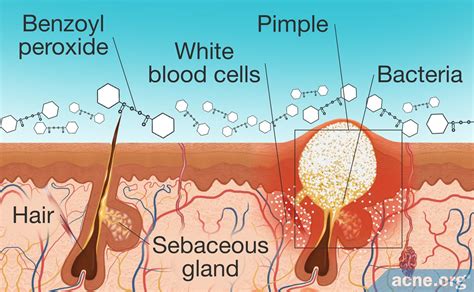
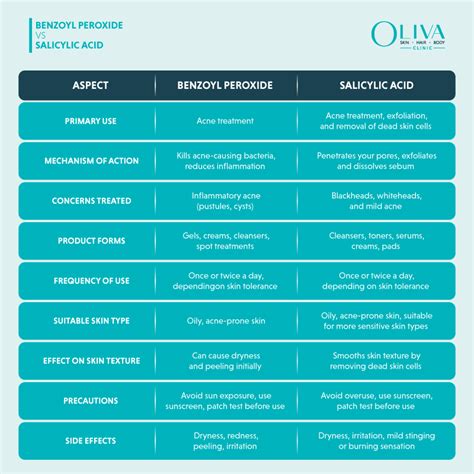
Benzoyl peroxide effectively treats acne through a dual mechanism: it unclogs pores and combats acne-causing bacteria. By breaking down excess sebum and dead skin cells that clog pores, it helps to clear existing blemishes and prevent new ones from forming. Furthermore, it reduces the proliferation of Propionibacterium acnes, a bacterium commonly associated with acne development. This antibacterial action helps to calm inflammation, which is a hallmark of cystic acne. While it may not be an immediate solution, consistent use of benzoyl peroxide products, often for 4 to 6 weeks, can lead to noticeable improvements in acne.
Understanding Cystic Acne
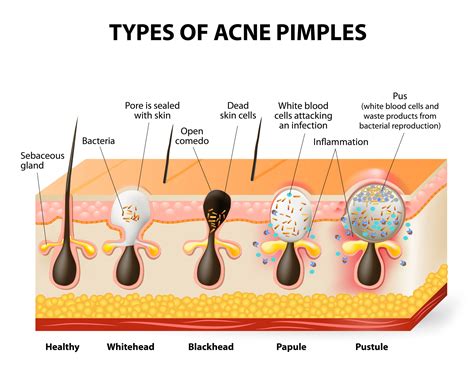
Cystic acne, also known as acne cysts, is a severe form of inflammatory acne. Unlike superficial blemishes like whiteheads and blackheads, cysts form deeper within the skin. This occurs when a hair follicle becomes clogged with sebum and dead skin cells, and the blockage traps bacteria and triggers a significant inflammatory response. If the pore ruptures beneath the skin's surface, it can lead to a painful, boil-like lump as the body attempts to contain the inflammation. These deep-seated lesions are notoriously difficult to treat and can take longer to heal, often leaving behind scars.
Factors Contributing to Cystic Acne
Several factors can contribute to the development of cystic acne, some of which are beyond individual control:
- Hormonal Fluctuations: Changes in hormone levels, such as those experienced during puberty, pregnancy, menopause, or due to conditions like Polycystic Ovary Syndrome (PCOS), can trigger breakouts.
- Genetics: A predisposition to acne can be inherited.
- Medications: Certain medications, including oral contraceptives, steroids, and lithium, can influence acne development.
- Stress: Stress can lead to the release of androgens, hormones that can exacerbate acne.
- Skin Microbiome: Imbalances in the skin's natural bacteria can contribute to inflammation.
- Diet: Some individuals find that high-glycemic foods and dairy products can aggravate their acne.
Home Remedies and Over-the-Counter Treatments
While severe cystic acne often requires professional intervention, several at-home strategies and over-the-counter (OTC) products can help manage and treat less severe cases or complement professional treatments.
The Role of Benzoyl Peroxide in Home Treatment
Benzoyl peroxide is a key ingredient in many OTC acne treatments. It is available in strengths ranging from 2.5% to 10%. For those with sensitive skin or new to benzoyl peroxide, it is recommended to start with the lowest concentration (2.5%) to assess skin tolerance. Higher concentrations (5% or 10%) may be more effective but can also be more irritating. Applying a thin layer of benzoyl peroxide as a spot treatment overnight can help shrink and dry up cystic pimples faster. To mitigate potential dryness and irritation, it is advisable to use a non-comedogenic moisturizer underneath, especially when using higher concentrations.
Common brand names for benzoyl peroxide products include Benzagel and Benzac. Products like PanOxyl Foaming Wash and Neutrogena On-the-Spot Acne Spot Treatment are readily available.
Other Topical Treatments
- Sulfur: For individuals who find benzoyl peroxide too harsh, sulfur spot treatments offer a gentler antibacterial and anti-inflammatory alternative.
- Microdart Pimple Patches: These patches contain tiny, dissolving microneedles that deliver active ingredients like salicylic acid and niacinamide directly into the pimple. While research on their efficacy is ongoing, they can help protect the spot from touching and aggravation.
- OTC Hydrocortisone Cream: A 1% OTC hydrocortisone cream can temporarily soothe inflammation, redness, and tenderness associated with cystic pimples. However, it should be used sparingly as a short-term fix, as frequent use can lead to skin thinning and damage.
Important Considerations for Home Treatment
- Do Not Pop: It is crucial to avoid picking, squeezing, or popping cystic pimples. Doing so can push inflammation deeper into the skin, worsen the lesion, increase the risk of infection, and lead to scarring.
- Warm Compress: Applying a warm, damp cloth to the affected area for 10-15 minutes, several times a day, can help soften hardened buildup, bring it closer to the surface, and reduce swelling. Ensure the compress is not scalding hot to avoid burns.
- Gentle Cleansing: Wash the face up to twice daily with a gentle, non-abrasive, alcohol-free cleanser.
- Sun Protection: Many acne treatments increase photosensitivity. It is essential to wear an oil-free sunscreen with SPF 30 or higher daily, especially when using benzoyl peroxide.
- Avoid Harsh Products: Steer clear of harsh scrubs, alcohol-based products, and unproven online remedies like toothpaste, which can further irritate the skin.
When to Seek Dermatological Help
If OTC treatments and home remedies do not yield satisfactory results, or if acne is severe, persistent, or causing significant distress, consulting a dermatologist is highly recommended. Dermatologists can accurately diagnose the type and severity of acne and offer more potent treatment options.
Professional Treatments for Cystic Acne
- Prescription Topicals: Dermatologists may prescribe stronger topical treatments such as prescription-strength retinoids (e.g., tretinoin, adapalene), topical antibiotics, or combination products like Duac (benzoyl peroxide and clindamycin) or Epiduo (benzoyl peroxide and adapalene).
- Systemic Medications: For severe cases, oral medications may be prescribed:
- Oral Antibiotics: Such as doxycycline or minocycline, to reduce bacteria and inflammation.
- Isotretinoin: A potent retinoid that can lead to long-term remission in a high percentage of patients but requires careful monitoring due to potential side effects and is not suitable during pregnancy.
- Spironolactone: An anti-androgen medication that helps regulate hormones and reduce sebum production, primarily for female patients.
- Oral Contraceptives: Certain birth control pills can help manage hormonal acne in women.
- Corticosteroid Injections: A dermatologist can inject a corticosteroid directly into a large, inflamed cyst. This can rapidly reduce swelling and redness, often flattening the lesion within 24-48 hours. This is typically used for occasional, severe cysts rather than as a long-term solution.
Acne basics | Pathophysiology & Treatment | 3D Animation
Preventing Future Breakouts and Managing Scarring
A consistent daily skincare routine is vital for managing acne-prone skin. This typically includes a gentle cleanser, a toner (if needed), a targeted treatment, and a moisturizer, along with daily SPF protection. Beyond topical treatments, a holistic approach that includes managing stress, getting adequate sleep, and maintaining a balanced diet can significantly impact skin health.
Cystic acne, especially when severe or prolonged, can lead to scarring. Dermatologists offer various treatments to reduce the appearance of acne scars, including microneedling, chemical peels, laser resurfacing, and subcision. Discussing scar treatment options with a dermatologist after successful acne management is advisable.