Heavy liquid makeup can be one culprit for acne breakouts. While genetics and environmental factors can also contribute to breakouts, for some individuals, it takes very little to block the pores and develop acne. The skin also changes as we age, which may lead to experiencing breakouts when you never did before, or finding that products that were once fine are now causing acne. If you suspect your makeup is contributing to breakouts, there are several ways to prevent and manage them without completely abandoning makeup.
The Science Behind Makeup-Induced Acne
It's common to try and cover breakouts with makeup, but in some cases, using makeup can actually worsen acne. Certain types of makeup and poor makeup habits can clog pores, irritate the skin, and lead to inflammation. These factors, alongside genetics, hormones, and the skin's physical environment, contribute to acne development.
Understanding Acne Cosmetica
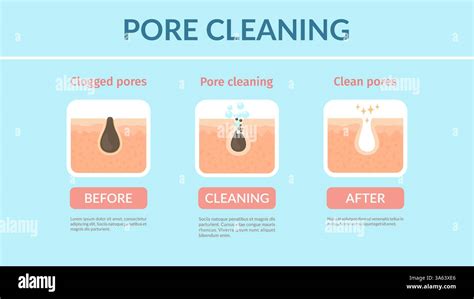
Acne cosmetica is the specific term for acne caused by products applied to the skin. Any product that has the potential to clog pores can trigger a breakout. This type of acne typically manifests as a rash-like breakout characterized by small red or pink bumps, blackheads (open comedones), or whiteheads.
Ingredients to Watch Out For
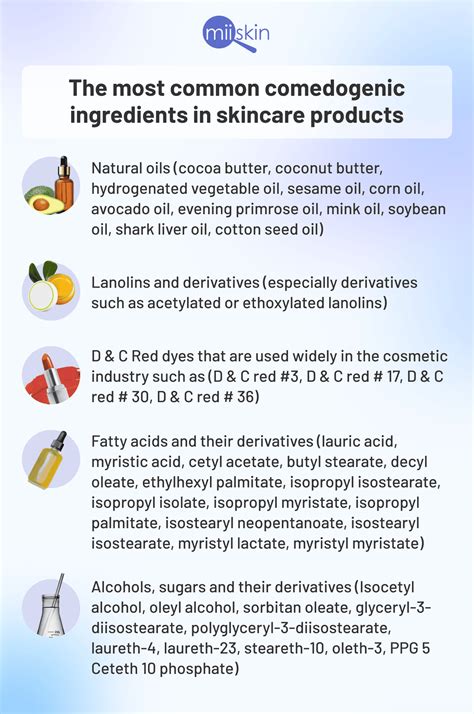
Certain makeup formulations are more prone to causing breakouts than others. Makeup containing fragrances, dyes, acrylics, parabens, and silicones are particularly triggering. Specifically, ingredients that are comedogenic (pore-blocking) can trap dirt and bacteria, leading to acne. Some common pore-clogging ingredients include:
- Acetylated lanolin
- Cetearyl alcohol + ceteareth 20 (when in the same formulation)
- Isopropyl myristate
- Coconut oil
- Ethylhexyl palmitate
- Propylene glycol monostearate
- Sodium lauryl sulfate
To determine if a product is comedogenic, look for "non-comedogenic" labels on the packaging or check the ingredient list for these offenders. Consulting with a dermatologist before using a product can also be beneficial if you are unsure.
How Makeup Habits Can Contribute to Breakouts
Beyond specific ingredients, certain makeup application and hygiene practices can significantly contribute to acne breakouts:
- Sleeping with makeup on: Leaving makeup on overnight clogs pores and can lead to bacterial growth on the skin.
- Sharing or using expired products: Sharing makeup brushes or using expired products can transfer bacteria to your skin, triggering breakouts. This is especially true for liquid formulas like mascara and foundation.
- Using heavy or oily products: Thick foundations, concealers, and primers can clog pores.
- Incompatibility with skin type: Not all products are suitable for every skin type. Using makeup not designed for your specific skin can cause irritation and breakouts.
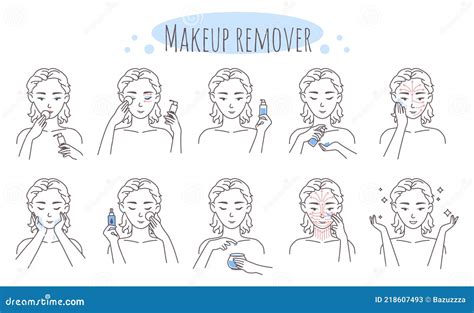
- Lack of proper hygiene: Failing to remove makeup thoroughly at the end of the day or using dirty makeup applicators can lead to bacterial growth.
Makeup Removal Tutorial
Preventing and Managing Acne Cosmetica
The most effective way to treat acne cosmetica is to eliminate comedogenic products and adopt a thorough skincare routine. Even if you are already experiencing breakouts, there are steps you can take:
Prepping Your Skin
To avoid breaking out from makeup, ensure you prep your skin properly. This includes:
- Cleansing: Use a salicylic acid-based cleanser to remove excess oil, dirt, and dead cells from the skin's surface. Cleaning your face before applying makeup removes impurities that can contribute to clogged pores.
- Toning/Serums: Consider prepping your skin with an acne-fighting toner or serum containing ingredients like lactic acid or glycolic acid.
- Moisturizing: To avoid over-drying your skin, keep it well-moisturized.
Choosing the Right Makeup
When selecting makeup, prioritize products that are less likely to cause issues:
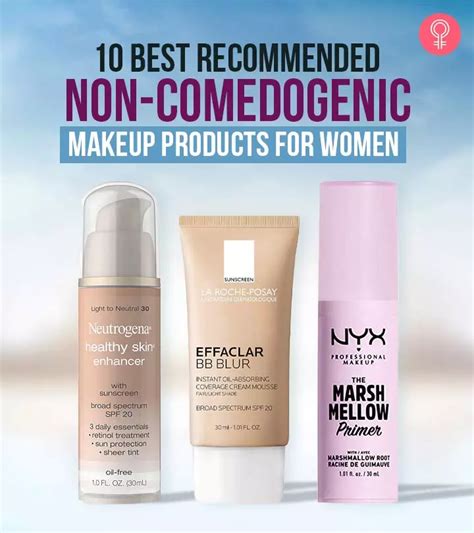
- Non-Comedogenic Products: Look for labels indicating "oil-free" and "won't clog pores." These products are formulated to be less likely to block pores.
- Acne-Fighting Ingredients: Some foundations include exfoliating ingredients like salicylic acid, which can help treat clogged pores.
- Avoid Certain Ingredients: Be mindful of pore-clogging ingredients like silicones (often found in primers) and drying alcohols, which can trigger increased oil production.
- Mineral-Based Makeup: Consider mineral-based makeup, which tends to be less irritating and comedogenic.
Maintaining Hygiene
Proper hygiene with your makeup and tools is crucial:
- Cleanse Your Face Daily: Always remove all makeup before going to bed.
- Wash Your Tools Regularly: Clean makeup brushes and sponges every 1-2 weeks using a dedicated brush cleanser or a mild shampoo and warm water. Dirty tools can harbor bacteria that transfer to your skin.
- Wash Your Hands: If you must touch your face or makeup products with your hands, wash them thoroughly beforehand.
- Avoid Sharing: Do not share makeup brushes or applicators with others to prevent the transfer of bacteria.
- Check Expiration Dates: Using makeup beyond its expiration date can introduce built-up bacteria to your skin.
Giving Your Skin a Break
When possible, give your skin a break from wearing makeup. This can involve washing your face earlier in the day once you're home or designating 1-2 days per week as makeup-free.
When to Seek Professional Help
While adopting good habits can significantly reduce makeup-induced breakouts, makeup is not the only factor contributing to acne. If you struggle with frequent breakouts despite taking good care of your skin, it could be due to other underlying factors. A dermatologist can offer more effective treatments than over-the-counter solutions. They can provide access to prescription-strength cleansers, serums, and creams, as well as treatments like chemical peels and laser therapy.