Clinique has expanded its Pore Refining Solutions collection with the introduction of the Stay-Matte Hydrator. This innovative moisturizer is designed to provide an instant mattifying effect, effectively control excess sebum, and deliver oil-free hydration throughout the day.
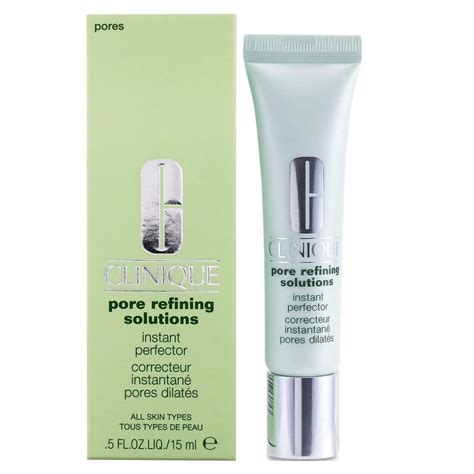
The Stay-Matte Hydrator was initially launched in travel retail locations across the Asia Pacific and Americas in May, with a subsequent rollout planned for Europe, the Middle East, and Africa in the autumn.
Multi-Pronged Approach to Shine Control and Pore Minimization
This multi-functional moisturizer employs a strategic, three-part strategy to achieve all-day shine control. It aims to minimize the appearance of pores both immediately upon application and over time, contributing to skin that appears fresher and more youthful.
Key Ingredients and Their Benefits
The formulation of the Stay-Matte Hydrator features several key ingredients that contribute to its efficacy:
- Extract of Laminaria Saccharina: This extract plays a crucial role in helping to minimize excess sebum production, a common concern for those with oily skin.
- Extract of Siegesbeckia Orientalis: Known for its pore-refining properties, this extract helps to make pores appear smaller and tighter, contributing to a smoother skin texture.
- Acetyl Glucosamine: Functioning as an exfoliator, Acetyl Glucosamine aids in keeping pores clear by removing dead surface skin cells. This process is vital for preventing pore blockages and improving overall skin clarity.
Beyond these star ingredients, the lightweight formula incorporates innovative optical technology. This technology is designed to instantly diminish the visible appearance of pores, providing an immediate smoothing and refining effect.
Understanding the Ingredients of Stay-Matte Hydrator
The effectiveness of the Clinique Stay-Matte Hydrator can be attributed to its carefully selected ingredient list. Let's delve into the function of some of the prominent components:
Core Components
- Water / Aqua / Eau: As the most common skincare ingredient, purified and deionized water serves as the primary solvent in cosmetic products. The water used is treated to remove mineral ions, ensuring a pure base.
- Dimethicone: A widely used silicone, dimethicone provides a silky-smooth feel to the skin. It creates a subtle gloss, forms a protective barrier (occlusive), and can temporarily fill fine lines and wrinkles, giving the skin a plumper appearance. It is also utilized in scar treatment gels for its softening and elasticity-enhancing properties.
- Glycerin: A humectant, glycerin attracts water to the skin, helping to keep it hydrated.
- Alcohol Denat.: This denatured alcohol acts as a solvent, penetration enhancer, and astringent. It contributes to creating light, cosmetically elegant formulas and possesses antimicrobial properties.
Pore Refining and Mattifying Agents
- Polymethyl Methacrylate: A type of polymer microsphere, it scatters light to provide a soft-focus or blurring effect, visually minimizing the appearance of pores.
- Silica: A white powdery substance, silica is a major component of glass and sand. In cosmetics, it is frequently used in mattifying products due to its excellent oil-absorbing capabilities. It also serves as a thickening agent and helps suspend insoluble particles.
- Talc: A clay mineral (hydrated magnesium silicate), talc is a primary component in many powder makeup products. It possesses significant oil-absorbing abilities, contributing to a matte finish.
Hydration and Emolliency
- Butylene Glycol (BG): This multi-tasking ingredient functions as a solvent, penetration enhancer, slip agent (improving spreadability), and humectant, attracting water to the skin. It is approved by Ecocert and is often found in natural products.
- Trisiloxane: A clear, colorless, and highly volatile silicone fluid, it spreads easily and leaves a non-greasy, dry-smooth feel on the skin.
- Hydrogenated Polyisobutene: A synthetic liquid oil, it can serve as an alternative to mineral oil or silicone oils in cosmetic formulations.
- Hydrogenated Lecithin: The chemically modified form of lecithin, it acts as an emollient and skin-identical ingredient.
- Cholesterol: A vital lipid naturally found in the skin's outer layer, it acts as an emollient and helps maintain skin barrier function.
- Sucrose: A type of sugar refined from cane or beet sugar, it has water-binding properties that aid in keeping the skin hydrated.
- Linoleic Acid: An essential omega-6 fatty acid, it is the most abundant fatty acid in the epidermis and is crucial for a healthy skin barrier. It plays a role in reducing acne and can help lighten hyperpigmentation.
- Squalane: Derived from fish and plant oils or human sebum, squalane is a superb moisturizer that provides emolliency, surface occlusion, and prevents transepidermal water loss (TEWL) without feeling heavy or greasy.
Supporting and Conditioning Ingredients
- Triticum Vulgare (Wheat) Germ Extract: An extract derived from wheat germ.
- Hordeum Vulgare (Barley) Extract / Extrait D'Orge: This extract contributes to the overall skin conditioning of the product.
- Laminaria Saccharina Extract: This brown algae extract contains alginates (moisturizing, protective, soothing), laminarin (decongestant, lipid-reducing), and phenolic compounds (antioxidant, soothing), offering comprehensive benefits for combination and acne-prone skin.
- Soybean Protein: Derived from soybeans, it can offer skin-conditioning benefits.
- Diethylhexyl Succinate: A derivative of succinic acid, it can act as an emollient and skin conditioning agent.
- Polyethylene: While previously used as microbeads, in its wax form, polyethylene thickens water-free formulas, increases hardness, and raises the melting point of emulsions and balms.
- Acetyl Glucosamine: An amino sugar that aids in skin hydration, it is also noted for its potential to improve the appearance of wrinkles and fade brown spots.
- Polydodecanamideaminium Triazadiphenylethenesulfonate: A complex ingredient likely contributing to texture or performance.
- Ethylene / Methacrylate Copolymer: A polymer used for texture modification.
- Phospholipids: Major components of cell membranes, they act as emollients and skin-identical ingredients with emulsifying properties.
- Hexylene Glycol: A glycol that functions as a solvent, humectant, and penetration enhancer, also providing good slip.
- Tocopheryl Acetate: A form of Vitamin E that acts as an antioxidant.
- Isopropyl Titanium Triisostearate: Likely used for its film-forming or adhesion properties.
- Caprylyl Glycol: A multi-tasking ingredient that provides a nice, soft feel to the skin and acts as a preservative booster and humectant.
- Polyvinylalcohol Crosspolymer: A polymer that can contribute to texture and film-forming properties.
- Sodium Carbomer: A pre-neutralized form of Carbomer, it readily forms viscous gels upon addition to water.
- Ammonium Acryloyldimethyltaurate / VP Copolymer: A polymer that helps create gel-like textures and acts as a thickener for emulsions.
Preservatives and Aesthetic Enhancers
- Chlorphenesin: A preservative that works against bacteria, fungi, and yeast.
- Phenoxyethanol: A widely used preservative known for its safety and gentleness, it is often combined with other preservatives like Chlorphenesin.
- Mica: A mineral powder that adds light-reflecting properties and can improve skin feel and product slip.
- Titanium Dioxide (CI 77891): Used as a colorant, providing opacity and coverage.
Every Skincare Ingredient Explained In 10 Minutes
Personal Experience and Application
One user shared their positive experience with the Hydrator, noting it as an "absolute HG for oily-skin folks and those in hot and humid weather." They described its watery consistency as promoting faster absorption into the skin, with an "instantaneous" effect.
The user mentioned battling large blackheads and extremely oily skin prior to using the product. While their blackhead situation has significantly improved, they suspect this is due to a combination of factors, including other products and a change in their cleansing routine, rather than solely the Hydrator's pore-refining capabilities. They emphasize that this product is not a replacement for a comprehensive moisturizing regime but rather an adjunct for managing oily shine.
Recommended Application Order:
- Cleanser
- Toner
- Serum
- Day Moisturizer
- CC Cream
- Two pumps of the Hydrator