Acne, whether it manifests as a pesky pimple or a stubborn blackhead, is a common concern that can affect one's confidence. When pores become clogged, various forms of acne, including pimples, zits, blackheads, and whiteheads, can appear on the face. Complicating matters, bacteria can also become trapped within these clogged pores.
While acne is most prevalent among teenagers experiencing puberty, it is not exclusively a teenage problem. Adults can also develop acne due to factors such as stress, anxiety, and sleep deprivation. To help manage acne, it is recommended to cleanse your face after exercising, potentially using a facial wet cleansing cloth. However, it's important to resist the urge to wash your face excessively throughout the day, as this can sometimes exacerbate the issue.
The Importance of Moisturizing
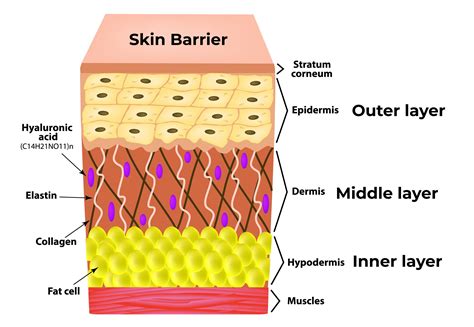
Counterintuitively, moisturizing is a crucial step in managing acne-prone skin. Your skin naturally contains glycerin, an ingredient that aids in moisturizing and protecting the skin. A 2016 study indicated that glycerin is a more effective humectant than AHAs and hyaluronic acid. As a humectant, glycerin draws moisture to the skin, helping it to stay hydrated.
The low molecular weight of glycerin allows it to penetrate the deeper layers of the skin, effectively drawing moisture into these tissues. Proper hydration improves the skin barrier, which in turn provides enhanced protection against irritants and bacteria. Furthermore, glycerin possesses antimicrobial and antiviral properties, which is why it is frequently used in wound and burn treatments.
Understanding Glycerin in Skincare
In cosmetic products, glycerin is typically derived from plant sources like soybeans or palm. It can also be sourced from animal products, such as tallow or animal fat. This ingredient is characterized by being organic, colorless, odorless, and non-toxic. In American English, this ingredient is known as glycerin.
Niacinamide: A Versatile Skincare Ingredient
Niacinamide, a form of vitamin B3, offers a multitude of benefits for the skin. It is known to strengthen the skin barrier, reduce the appearance of pores and dark spots, regulate oil production, and improve signs of aging. A significant advantage of niacinamide is its gentle nature, making it well-tolerated by most skin types, including sensitive and reactive skin.
While the term "niacin flush" might be associated with redness and itchiness, niacinamide itself has not been found to cause this reaction. In very rare instances, some individuals might experience an allergic reaction or intolerance to niacinamide. If you notice flaking, irritation, or dryness when using products containing niacinamide, it's advisable to review all your skincare products, as this ingredient can be found across various categories.
Incorporating Niacinamide into Your Routine
When introducing niacinamide into your skincare regimen, pay attention to its concentration. Typically, a 5% concentration of niacinamide can help fade dark spots. However, individuals with sensitive skin may benefit from starting with a lower concentration.
Upon application to the skin, your body converts niacinamide into nicotinamide adenine dinucleotide (NAD). NAD is a vital coenzyme naturally present in your cells, acting as "fuel" for numerous biological processes. Within the skin, NAD plays a role in repairing cell damage, generating new healthy cells, supporting collagen production, reinforcing the skin barrier, and combating environmental stressors like UV radiation and pollution.
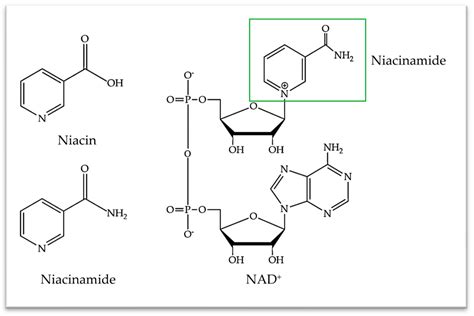
As we age, our natural NAD levels begin to decline, leading to slower skin repair, visible signs of aging, and a weakened skin barrier. Supplementing the skin with niacinamide helps to replenish these NAD levels, promoting stronger, healthier, and more youthful-looking skin.
Vitamin B3: Sources and Forms
Another name for vitamin B3 is nicotinamide. This vitamin is water-soluble, and our bodies do not store it. We obtain vitamin B3 through our diet or skincare products. Foods rich in vitamin B3 include meat, fish, wheat, yeast, and leafy greens. The niacinamide used in skincare is typically synthetically produced.
The Role of Water in Skincare
Water is the most common ingredient found in cosmetic products, often appearing at the top of ingredient lists, indicating its significant presence in the formulation. Its widespread use is attributed to its essential role in sustaining life. If you notice water as a prominent ingredient, it's a good reminder to stay hydrated by drinking a glass of water.