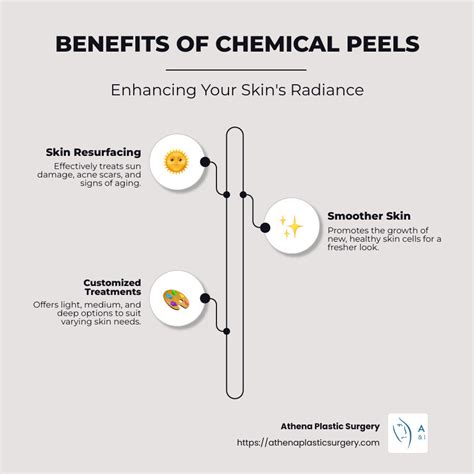
Chemical peels are a popular and effective method for addressing a variety of skin concerns, including acne, visible signs of aging, uneven tone, and unwanted pigmentation. These treatments involve the application of a chemical solution to the skin, which exfoliates the top layer, removes dead skin cells, and stimulates new skin growth and collagen formation. The result is a smoother, more uniform complexion with a brighter, more youthful appearance.
Understanding Chemical Peel Treatments
At its core, a chemical peel is a process designed to improve the appearance and texture of the skin by removing damaged outer layers. Many of the compounds used in chemical peels are derived from natural sources, such as Glycolic acid (an alpha-hydroxy acid) and Salicylic acid, which can be found in certain fruits and plants. As we age, our skin naturally thins and loses elasticity, leading to the formation of wrinkles and lines. Chemical peels offer a way to combat these changes by revealing a new layer of healthier skin.
Chemical peel treatments can be performed on various parts of the body, including the face, neck, chest, hands, arms, shoulders, and back. Areas like the arms, hands, and décolletage are particularly prone to showing signs of aging, and chemical peels can be a targeted solution for these concerns.
Types of Chemical Peels
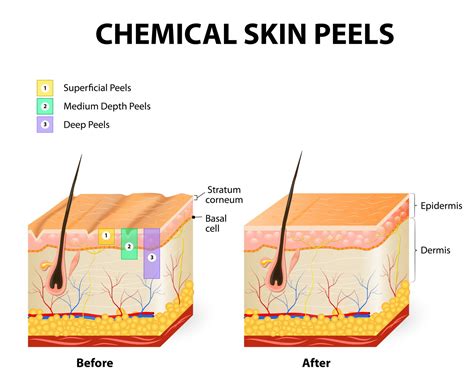
There are three main categories of chemical peels, varying in depth and intensity:
- Light peels: These remove the outermost surface of the skin (epidermis) and are ideal for mild skin imperfections such as fine lines, acne, and uneven skin tone. They typically involve minimal downtime.
- Medium peels: These penetrate deeper into the epidermis and the upper part of the dermis. They are effective for addressing more significant concerns like wrinkles, age spots, and moderate skin discoloration. Downtime is generally longer than with light peels.
- Deep peels: These penetrate to the lower layers of the dermis and are reserved for more severe skin damage, such as deep wrinkles, significant sun damage, and precancerous growths. These peels require a longer recovery period.
The specific type and strength of the peel are tailored to the individual's skin type, concerns, and tolerance for discomfort. Some peels are designed for minimal downtime, with most patients experiencing little to no visible peeling.
Key Ingredients and Formulations
Various active ingredients are utilized in chemical peels to achieve specific results:
- Salicylic acid: This beta-hydroxy acid is particularly beneficial for oily, blemish-prone skin. It provides superficial exfoliation and helps improve the appearance of acne lesions.
- Alpha Hydroxy Acids (AHAs): This group of organic acids, including Glycolic acid and Lactic acid, are popular for treating a variety of skin conditions. They work to remove dead skin cells, even skin tone, and stimulate cell renewal. Some formulations ensure a slow diffusion of AHAs to maximize benefits with reduced irritation.
- Trichloroacetic Acid (TCA): Often used in medium-depth peels, TCA is effective for treating lines, acne, pigmentation, and pores.
- Phenol: Used in deeper peels, phenol is a powerful agent for skin rejuvenation.
- Other beneficial ingredients: Formulations may also include Kojic acid, Retinoic acid, Vitamin C, and the antioxidant Glutathione for skin lightening and rejuvenation.
Advanced, medical-grade peel formulations are often backed by science and developed in collaboration with expert chemists to ensure optimal efficacy and safety.
The Chemical Peel Procedure
A typical chemical peel procedure is relatively quick, often taking around 20 minutes, depending on the type of peel and the number of layers applied. During the treatment, patients may experience mild sensations such as tingling, itching, or a heating feeling, which are temporary and normal.
Post-procedure, some degree of flaking, peeling, and redness is expected, with the intensity and duration varying based on the peel's strength and type. Patients might feel tightness in the skin the day after the procedure, and peeling can occur over the following 7 to 14 days. It's important to note that the absence of visible flaking does not mean the treatment will not be effective.
Following a chemical peel, the skin becomes more sensitive to heat and sun for several days. Adhering to at-home care recommendations is crucial for achieving goals and maintaining long-term skin health.
How to Apply a Professional Chemical Peel
Customization and Safety
Chemical peels can be customized to address individual skin types and concerns, including a wide range of skin tones. Medical-grade formulations and physician-directed protocols are employed to ensure safety and effectiveness for all patients.
While some peels are designed for relaxation, others, like the Clinical Peel, are results-driven and focus on efficient exfoliation. Treatments are generally non-invasive and gentle, allowing patients to resume normal activities immediately afterward.
Advanced Chemical Peels vs. Clinical Peels
Blue Water Spa, for example, distinguishes between its Clinical Peels and Advanced Chemical Peels. Clinical Peels are described as results-driven, efficient treatments for common concerns like acne, aging signs, and uneven tone, with minimal downtime. Advanced Chemical Peels, on the other hand, are deeper, more targeted treatments designed for transformational results on specific issues such as stubborn pigment, active acne, texture, wrinkles, or sun damage.
For those seeking fast, effective exfoliation without unnecessary amenities, a Clinical Peel is often recommended as a starting point. Advanced Chemical Peels are reserved for more significant skin transformations.
Choosing the Right Treatment for You
When considering a chemical peel, it's beneficial to have a clear understanding of your goals. If you desire straightforward, effective chemical exfoliation with real results in a quick visit, a Clinical Peel might be suitable. If your concerns are more specific and require deeper, more targeted treatment, an Advanced Chemical Peel may be a better option.
Professional skin care consultations are invaluable in determining the most appropriate treatment plan. Licensed aestheticians can tailor regimens to individual needs, taking the guesswork out of skincare routines and ensuring the best possible outcomes.