For those seeking a chemical peel that offers significant results with minimal irritation, the mandelic acid peel emerges as an excellent solution. This superficial chemical peel, derived from almonds, belongs to the alpha hydroxy acid (AHA) family. Its unique characteristic is a larger molecular structure compared to other AHAs like glycolic and lactic acid. This larger size allows for slower, more even penetration into the skin, significantly reducing the risk of irritation, side effects, and downtime often associated with traditional chemical peels.
The mandelic acid peel is particularly well-suited for individuals with sensitive, rosacea-prone, or acne-prone skin. It provides visible, professional results while minimizing discomfort and recovery time, making it a favored treatment for achieving a radiant complexion and addressing various skin concerns.
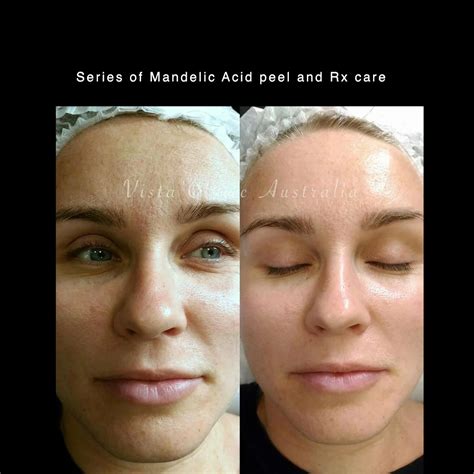
Key Benefits of Mandelic Acid Peels
Mandelic acid peels offer a versatile range of benefits, addressing multiple skin concerns effectively:
- Exfoliation and Collagen Stimulation: It effectively dissolves the bonds between dead skin cells, promoting natural exfoliation and stimulating collagen production for firmer, more youthful skin.
- Reduction of Fine Lines and Wrinkles: By encouraging cell turnover and collagen synthesis, it helps to smooth the appearance of fine lines and wrinkles.
- Treatment of Hyperpigmentation: Mandelic acid aids in fading dark marks, age spots, and other forms of hyperpigmentation, leading to a more even skin tone.
- Acne Management: Its antibacterial properties help to unclog pores, control sebum production, and prevent breakouts, making it beneficial for acne-prone skin.
- Soothing Redness: The gentle nature of mandelic acid makes it suitable for reducing irritation and redness associated with conditions like rosacea, without causing further inflammation.
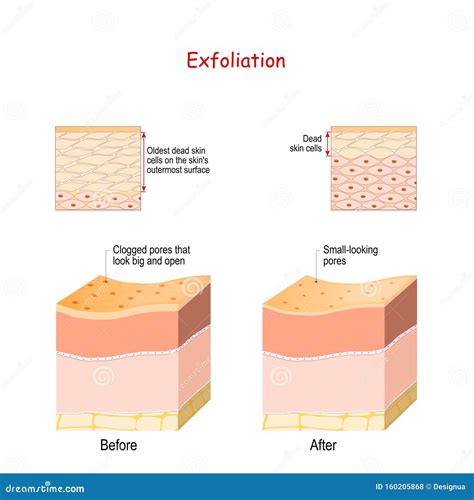
- Improved Skin Texture and Pore Refinement: By removing dead skin cells and debris, it refines skin texture and minimizes the appearance of pores.
- Brightening Dull Complexion: It safely brightens dull skin by removing dead skin cells and promoting healthy skin renewal, revealing a more luminous complexion.
- Suitable for All Skin Types: Due to its gentle penetration, mandelic acid is safe for all skin tones, including darker Fitzpatrick skin types (1-6), and is particularly beneficial for sensitive skin.
How Mandelic Acid Peels Work
The mechanism behind a mandelic acid peel involves dissolving the intercellular glue that holds dead skin cells together. This process encourages the shedding of the outer layer of dead skin cells, revealing the fresher, healthier skin underneath. As this happens, the skin feels revitalized and able to "breathe" more effectively. The slower absorption rate, due to its larger molecular size, ensures this exfoliation is gentle and controlled, minimizing discomfort and adverse reactions.
What to Expect During and After Treatment
A mandelic acid peel treatment is a straightforward and relatively quick procedure, typically lasting about 20-30 minutes. The process generally involves:
- Cleansing: The skin is gently cleansed to remove dirt, oil, and makeup.
- Prepping (Degreasing): A degreasing solution is applied to prepare the skin for even peel application.
- Peel Application: The mandelic acid solution is carefully applied and left on the skin for a specified duration, tailored to individual skin type and sensitivity. During this phase, some clients may experience mild tingling or warmth.
- Neutralization: The peel's action is halted with specialized neutralizing agents, restoring skin balance.
Following the treatment, clients may experience mild redness or warmth, which typically subsides quickly. Some light flaking or dryness might occur within a few days, a normal part of the skin's renewal process. Makeup and most skincare products can usually be resumed the next day. For optimal results and to address more persistent concerns like acne or rosacea, a series of 4-6 treatments spaced 2-4 weeks apart is often recommended.
Mandelic Acid vs. Other Chemical Peels
While other AHAs like glycolic and lactic acid are effective exfoliants, mandelic acid offers a unique balance of efficacy and gentleness. Glycolic acid, with its smaller molecules, penetrates more deeply and quickly, offering stronger exfoliation but carrying a higher risk of irritation, making it more suitable for aging or textured skin. Lactic acid is milder and more moisturizing, beneficial for dry or sensitive skin but less potent for acne. Salicylic acid, a BHA, is oil-soluble and excellent for deep pore cleansing, though it can be drying. Mandelic acid stands out for its suitability across all skin types, including sensitive and darker tones, due to its slow, gentle penetration.
Other advanced chemical peel formulations exist, such as VI Peel, GlyMed 5-Berry Peel, and BioRePeel, which combine various acids and ingredients to target specific concerns with varying depths of exfoliation and downtime. However, for a gentle yet effective option, particularly for sensitive skin or pre-event preparation, mandelic acid remains a top choice.
| Acid Type | Strength | Best For | Irritation Risk | Penetration |
|---|---|---|---|---|
| Mandelic Acid | Gentle | Sensitive, acne-prone skin | Low | Slow |
| Glycolic Acid | Strong | Aging, fine lines, dull skin | High | Fast |
| Lactic Acid | Mild | Dry skin, uneven texture | Moderate | Medium |
Post-Peel Care and Precautions
Proper post-peel care is crucial for maximizing results and ensuring skin health. It is recommended to:
- Use a mild, non-acid cleanser.
- Apply a soothing, hydrating moisturizer.
- Protect the skin with a broad-spectrum SPF daily and avoid direct sun exposure.
- Refrain from picking, peeling, or forcibly exfoliating the skin.
- Avoid using retinoids, exfoliants, or other active skincare products for 3-5 days before treatment.
- Wait at least 24 hours before applying makeup after the peel.
While at-home mandelic acid products are available, professional application at a spa ensures safety, comfort, and optimal results due to stronger concentrations and expert technique. It is important to consult with a skincare professional to determine the most suitable treatment plan for your individual needs and to ensure proper pre- and post-care.