The ClarinsMen Exfoliating Cleanser is a 2-in-1 creamy exfoliating face wash designed specifically for men. It offers a deep cleansing action to remove embedded impurities, excess oil, dirt, and dead skin cells, which can contribute to a dull and tired appearance of the skin.
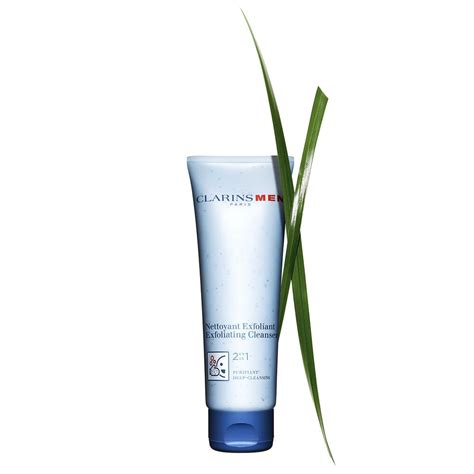
Key Benefits and Action
This exfoliating cleanser works to thoroughly purify the skin, leaving it feeling clean, fresh, and bright. It effectively removes surface dead skin cells and impurities, revealing a more revitalized complexion.
Ingredient Breakdown and Functionality
The formula of the ClarinsMen Exfoliating Cleanser comprises a variety of ingredients, each serving specific purposes:
Core Cleansing and Exfoliating Agents
- Pumice: A natural abrasive that physically exfoliates the skin, helping to slough off dead skin cells and smooth the skin's texture.
- Microcrystalline Cellulose: Another physical exfoliant, providing gentle scrubbing action.
- Sodium Lauroyl Sarcosinate: A surfactant derived from coconut oil, it effectively lifts dirt and oil from the skin's surface for easy rinsing.
- Myristic Acid: A fatty acid that acts as an emulsifier and cleanser, helping to lift and remove oil and dirt.
- Lauric Acid: A fatty acid that helps to hydrate and soothe the skin, acting as a humectant to trap moisture.
- Potassium Hydroxide: Used in the saponification process to create cleansing agents from oils, it helps to fix the pH of the product. It is consumed during the saponification process and not present in the final product.
Moisturizing and Skin Conditioning Agents
- Glycerin: A powerful humectant that draws moisture to the skin, helping to keep it hydrated and supporting the skin barrier. It also possesses antimicrobial and antiviral properties.
- Stearic Acid: A fatty acid that acts as an emollient, softening the skin and preventing water loss. It also enhances the product's texture.
- Glyceryl Behenate: An emollient and emulsifier derived from glycerin and behenic acid, contributing to skin softness and product stability.
- Mannitol: A sugar alcohol that functions as a humectant, moisturizing the skin. It also exhibits antioxidant properties in vitro.
- Propanediol: A safe and non-sensitizing ingredient derived from corn or petroleum, it acts as a humectant to retain moisture and aids in the delivery of active ingredients.
- Propylene Glycol: Acts as a humectant, helping the skin retain moisture, and also possesses antimicrobial properties that extend the product's lifespan.
Texture and Stability Enhancers
- Dimethicone: A silicone-based ingredient that can improve the skin's feel and provide a smooth finish. It is unlikely to cause irritation as it is not absorbed into the skin.
- Glycol Distearate: Primarily functions as a pearlizing or opacifying agent, contributing to the product's visual appeal.
- Helianthus Annuus (Sunflower) Seed Wax: A plant-derived wax that can contribute to the product's texture and consistency.
- Hydrogenated Microcrystalline Wax: Used for texture modification.
- Synthetic Wax: Enhances texture and can adjust pH.
Colorants and Pigments
- CI 77891/Titanium Dioxide: A white pigment used to provide color to the cosmetic product.
- CI 77007/Ultramarines: A blue pigment derived from kaolin and other minerals, used to impart color.
Preservatives and Stabilizers
- Tetrasodium EDTA: A chelating agent that prevents metal ions from binding to other ingredients, thus maintaining product stability.
- Potassium Sorbate: A preservative that prevents the growth of yeast and mold in cosmetic and food products.
- Phenoxyethanol: A preservative with germicide, antimicrobial, and aromatic properties, used to prevent microbial growth and extend shelf life.
Fragrance
- Parfum/Fragrance: A blend of aroma chemicals or plant oils used to impart a scent to the product. The specific composition can vary widely.
- Triethyl Citrate: Possesses masking and perfuming properties, and can be used to mask the scent of other ingredients.
Other Beneficial Ingredients
- Zinc Gluconate: Exhibits antibacterial and wound-healing properties, particularly effective against inflammatory acne.
- Sodium Salicylate: While officially a preservative, some studies suggest it may possess exfoliating properties.
- Saponaria Officinalis Leaf Extract: A botanical extract that can contribute to cleansing properties.
- Hierochoë Odorata Extract: A botanical extract.
- Ascorbyl Palmitate: A form of Vitamin C that acts as an antioxidant.
- Helianthus Annuus (Sunflower) Seed Oil: A nourishing oil that can condition the skin.
- Tocopherol: A form of Vitamin E, known for its antioxidant properties.
- Hydroxypropyl Methylcellulose: A cellulose derivative that can act as a binder or film-former.
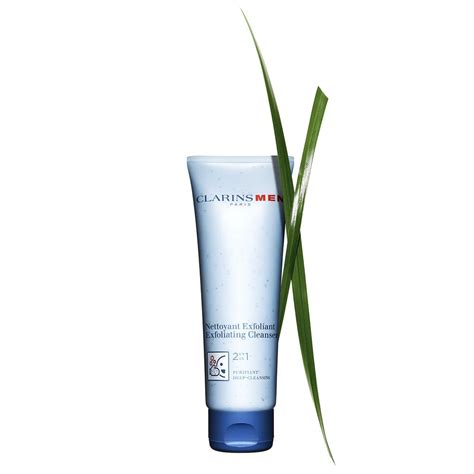
Understanding Common Ingredients
The ingredient list also provides context for commonly found cosmetic ingredients:
- AQUA/WATER/EAU: The most common cosmetic ingredient, serving as a base and solvent.
- Glycerin: Highlighted for its effectiveness as a humectant, superior to AHAs and hyaluronic acid in a 2016 study. Its low molecular weight allows it to penetrate deeper skin layers, improving hydration and the skin barrier.
- Stearic Acid: Explained as a fatty acid that softens skin, prevents water loss, and enhances product texture.
- Myristic Acid: Identified as a saturated fatty acid found in milk fat, acting as an emulsifier and cleanser by gathering oil and dirt.
- Potassium Hydroxide: Known as caustic potash, used for pH adjustment and in soap making through saponification.
- Dimethicone: A synthetic silicone that comes in various viscosities, unlikely to cause irritation but may contribute to pilling and a greasy feel when mixed with heavy oils.
- Lauric Acid: A fatty acid abundant in coconut oil, it hydrates, soothes, and traps moisture.
- Sodium Lauroyl Sarcosinate: A surfactant derived from coconut oil that lifts dirt and oil for removal, and acts as an emulsifier in leave-on products.
- TIPA-Laureth Sulfate: A type of sulfate.
- Glycol Distearate: Used as a pearlizing or opacifying agent.
- Glyceryl Behenate: A fatty acid ester serving as an emollient and emulsifier.
- Parfum/Fragrance: A broad term for scent ingredients, which can be a blend of many chemicals and may cause allergies or sensitivities. Brands may label products "fragrance-free" even if they contain essential oils.
- Propanediol: Considered safe and unlikely to cause sensitivity, derived from corn or petroleum, it is a humectant and aids ingredient delivery.
- Paraffin: A petroleum-derived solid with occlusive properties, potentially worsening oily skin and not fungal-acne safe.
- CI 77891/Titanium Dioxide: A white pigment derived from minerals.
- Mannitol: A sugar alcohol acting as a humectant with potential antioxidant properties, also used as a sweetener in foods.
- Synthetic Wax: Derived from fossil fuels, used for texture enhancement and pH adjustment.
- Propylene Glycol: An odorless liquid that humectifies, aids active ingredient delivery, prevents freezing/melting, and adds antimicrobial properties. Can cause rashes in sensitive individuals.
- Sodium Chloride: Commonly found in cleansers to create gel-like texture and act as an emulsifier. Its comedogenic potential is debated.
- Sodium Laurate: The sodium salt of lauric acid, acting as a cleansing and emulsifying ingredient.
- Cellulose: The primary component of plant cell walls.
- Tetrasodium EDTA: A chelating agent that stabilizes products by preventing metal ion binding.
- Hydrogenated Microcrystalline Wax: Not fungal acne safe.
- Zinc Gluconate: Possesses antibacterial and wound-healing properties, effective against inflammatory acne.
- CI 77007/Ultramarines: A blue pigment created from various minerals.
- Sodium Salicylate: The sodium salt of salicylic acid, used as a preservative with potential exfoliating properties.
- Phenoxyethanol: A preservative with antimicrobial and aromatic properties, often used with Caprylyl Glycol.
- Triethyl Citrate: Offers masking and perfuming properties, with a mild fruity scent.
- Kaolin: A type of clay.
- Potassium Sorbate: A common preservative in cosmetics and food, effective against fungus.
- Ascorbyl Palmitate: A fat-soluble form of Vitamin C.
- Helianthus Annuus (Sunflower) Seed Oil: A plant-based oil.
- Tocopherol: A form of Vitamin E.
- Hydroxypropyl Methylcellulose: A semi-synthetic polymer derived from cellulose.
How to Cleanse Skin With Water | Clarins Malaysia
tags: #clarins #men #exfoliating #cleanser