Understanding the ingredients in your body wash can help you make informed decisions about your skincare. This review delves into the common components found in body washes, explaining their functions and potential benefits or concerns.
The Foundation: Water and Fatty Acids
Water, often listed first in ingredient lists, is the most common cosmetic ingredient. It serves as a solvent, dissolving other components in the product. In cosmetic formulations, water is purified and deionized, meaning most mineral ions are removed.
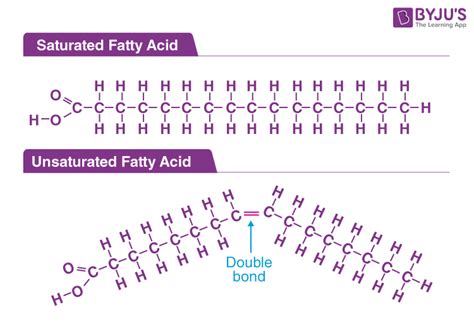
Fatty acids play a crucial role in cleansing and conditioning. Key fatty acids found in body washes include:
- Myristic Acid: A saturated fatty acid found in milk fat, palm oil, and coconut oil. It functions as an emulsifier, stabilizing the product by preventing ingredient separation, and as a cleanser by acting as a surfactant to lift oil and dirt.
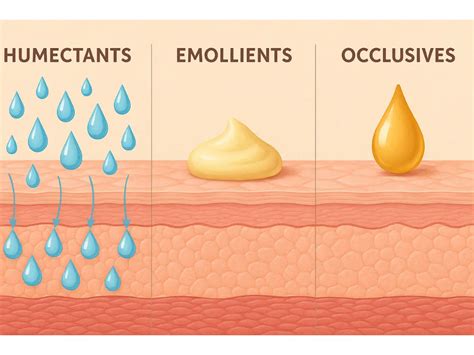
- Palmitic Acid: A fatty acid naturally present in skin and derived from palm oil. It acts as a cleanser, emollient (softening and smoothing skin by preventing water loss), and emulsifier.
- Lauric Acid: A fatty acid that makes up a significant portion of coconut oil. It hydrates and soothes the skin, acting as a humectant to trap moisture. Emerging research suggests it may also have anti-acne properties.
- Stearic Acid: Another multi-tasking fatty acid that serves as an emollient, emulsifier, and texture enhancer. It helps maintain the skin's protective barrier and can add volume and stability to products.
Hydration and Skin Barrier Support: Glycerin and Sodium Hyaluronate
Glycerin is a well-known humectant, meaning it draws moisture to the skin, helping to keep it hydrated. Naturally found in the skin, glycerin's low molecular weight allows it to penetrate deeper layers. Hydrated skin strengthens the skin barrier, which protects against irritants and bacteria. Glycerin also possesses antimicrobial and antiviral properties, making it useful in wound and burn treatments. It is typically derived from plants like soybean or palm, but can also be sourced from animals.
Sodium Hyaluronate is the salt form of hyaluronic acid. Like hyaluronic acid, it is an excellent humectant, capable of holding a large amount of water. While generally well-tolerated, some individuals with sensitive skin may experience reactions.
Cleansing Agents and Surfactants
Body washes utilize various ingredients to effectively cleanse the skin:
- Potassium Hydroxide: Also known as caustic potash, it's used to adjust the pH of a product or as a cleaning agent in soap production through a process called saponification. It is consumed during saponification and not present in the final soap product. It contributes to a smooth skin and hair feel.
- Sodium Laureth Sulfate (SLES): A mild cleansing agent that effectively cleanses without stripping excessive moisture from the skin.
- Lauramidopropyl Betaine: A cleanser that helps water mix with oils and dirt, facilitating their removal from the skin.
Stabilizers and Preservatives
Several ingredients work behind the scenes to ensure product stability and longevity:
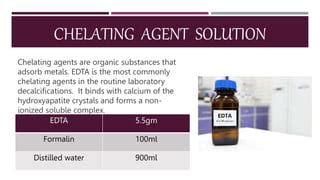
- Trisodium EDTA and Disodium EDTA: These are chelating agents. They neutralize metal ions present even in purified water, which can degrade active ingredients, cause discoloration, promote rancidity, and reduce preservative effectiveness. By binding to these metals, they help maintain product stability and efficacy. They also act as preservative boosters by neutralizing metal ions essential for bacterial growth. The Cosmetic Ingredient Review has deemed these safe for cosmetic use.
- Phenoxyethanol: A widely used preservative with germicidal and antimicrobial properties. It prevents microbial growth and is often paired with Caprylyl Glycol to extend product shelf life. It can be found naturally in green tea but is typically synthesized for cosmetic use.
Texture Enhancers and Colorants
Some ingredients are added for aesthetic and sensory purposes:
- PEG-3 Distearate: Note that this ingredient is not considered fungal acne safe.
- Mica and Titanium Dioxide: These ingredients can impart a shimmering effect to the skin.
- CI 19140 (Tartrazine) and CI 15985: These are synthetic dyes used to add yellow and orange-yellow colors, respectively, to cosmetics, foods, and medicines. While generally safe, rare allergic reactions to color additives are possible.
Fragrance and Potential Irritants
Aromatics (Parfum) are added for fragrance. While they enhance the user experience, synthetic fragrances can be a source of irritation and inflammation for some individuals, especially with long-term use. Ingredients like Citronellol and Limonene are common fragrance components that may cause sensitivity.
Other Beneficial Ingredients
Tocopheryl Acetate (a form of Vitamin E) acts as an antioxidant, helping to fight free radicals that can damage skin cells and contribute to aging. In cleansers, its contact time with the skin is brief.
Butylene Glycol (BG) is a versatile ingredient that functions as a solvent, humectant, penetration enhancer, and slip agent, improving product spreadability and absorption. It is approved for use in natural products.
Ingredient Distribution and Importance
The concentration of ingredients decreases as you move down the list. The first five ingredients typically have the most significant impact on the product's performance. Ingredients listed further down have a reduced effect due to their lower quantities.
A good cleanser balances effective cleansing with ingredients that help replenish lost hydration. While some cleansing agents can strip moisture, the inclusion of humectants like glycerin and butylene glycol helps counteract this effect.