Stand in the sunshine for just a moment, and you can feel how powerful the sun is. Exposure to the most important star in the universe delivers healthy benefits like vitamin D, but the sun also emits unhealthy ultraviolet radiation that can lead to sunburn, sun damage, skin cancer, and signs of visible aging like wrinkles, discoloration, and leathery skin. Add the power of pollution and dry weather, and you have a triple whammy that dehydrates and dulls the skin.
Sun protection is an essential component of a skincare routine, no matter what your Skin Type is. Even if you tan easily, even if you've never gotten a sunburn, whether you're young or mature-you are not immune to the sun's harsh rays.
That's why it's so important to educate yourself on the effects of SPF and UV rays from the sun and brush up on the best products for your unique skin. Gain confidence when it comes to protecting your skin health by learning how sun exposure impacts the body's largest organ, why sunscreen matters, and what can happen if sunscreen protection is not prioritized.
How Does the Sun Affect Our Skin?
It's well-known that excessive sun exposure can accelerate skin aging and heighten the likelihood of skin cancer development. Sun-induced skin damage accumulates over time, regardless of whether sunburn is evident or not.
And although our skin possesses a natural ability to repair sun-related damage, it cannot tackle everything at once. Over time, this damage can manifest as premature aging, including wrinkles, discolorations, and a leathery appearance, and may also increase the risk of skin cancer.
Understanding UVA and UVB Rays
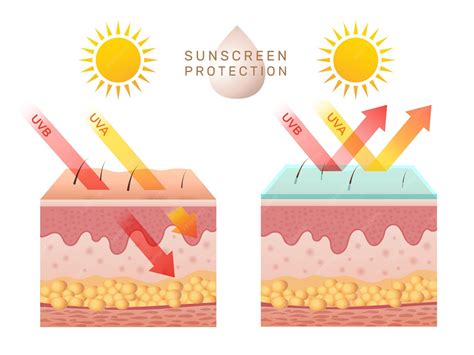
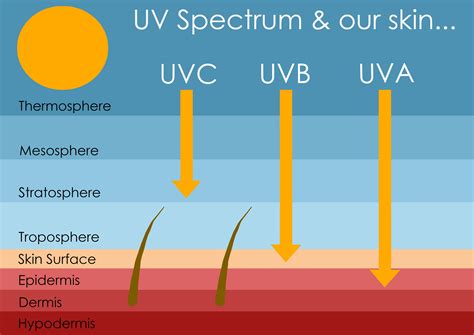
Both UVA and UVB rays can lead to skin cancer; both wavelengths of light are responsible for skin damage. The easiest way to remember the definition of the acronyms is through their last letter. UVA - A is for aging; UVB - B is for burning.
UVA Rays
Ultraviolet A rays are long wavelengths of sunlight that cause sunburn or a tan. The action occurs slowly, but rays penetrate the skin deeply and can break down collagen and elastin.
UVB Rays
Ultraviolet B rays are short wavelengths of sunlight that work quickly and are responsible for burning the skin. The damage they cause is primarily on the epidermal layer.
How Sunscreen Works
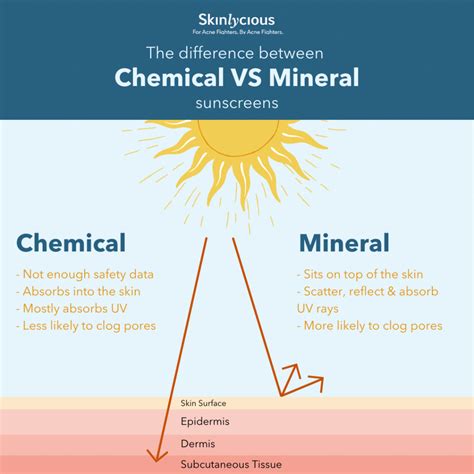
Sunscreen ingredients absorb, scatter, or reflect ultraviolet light. They can be classified as chemical (a compound that absorbs the energy of light) or physical (acts as a shield between the sun and your skin and reflects rays before they penetrate).
Sun Protection Factor (SPF), that big number featured on bottles of moisturizer and sunscreen, indicates how well a sunscreen protects the skin from UVB rays. For instance, Pep Start Daily UV Protector Broad Spectrum SPF 50 are even safe for use around the eye area.
Applying a minimum of SPF 15 daily to shield against casual sun exposure is a must; for extended periods in the sun, opt for a higher SPF. The FDA recommends reapplying sunscreen every two hours, wearing protective clothing, and restricting sun exposure during the peak sun hours of 10 am and 2 pm. Protect your entire body with Broad Spectrum SPF 50 Sunscreen Body Cream, designed to ward off UVA and UVB rays during long-term sun exposure.
What Does "Broad Spectrum" Mean?
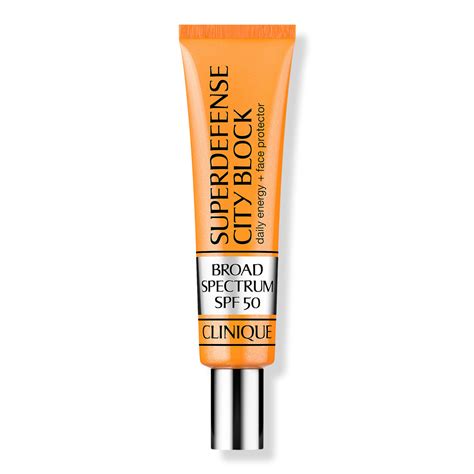
A product marked as “Broad Spectrum" has been proven to tackle modern environmental aggressors including UVA/UVB and other skin irritants. One of our favorites is the daily face protector Superdefense City Block Broad Spectrum SPF 50 Daily Energy + Face Protector, which provides such sheer and weightless coverage with a hint of tint.
The Importance of SPF in Moisturizer
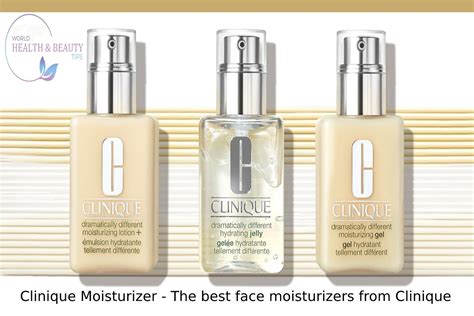
It's important to select a sunscreen that's right for your skin's unique composition. Choosing a daily moisturizer that contains SPF is a great way to give your skin a foundational boost of protection to get your day started.
Moisturizers with SPF for Specific Concerns:
- Even Better Brightening Moisturizer SPF 20: For those seeking deep hydration and to visibly reduce dark spots. This moisturizer is power-boosted with UP302, Clinique's proprietary brightening molecule, and glucosamine, Vitamin C, and soothing green tea extract. It also includes hyaluronic acid, a moisture-binding ingredient that creates a "moisture reservoir" for ideal hydration.
- Smart Clinical Repair Broad Spectrum SPF 30 Wrinkle Correcting Cream: For those looking to visibly repair wrinkles while protecting skin with SPF to help prevent future damage. This lightweight SPF moisturizer is designed to do just that. It includes hyaluronic acid for instant and lasting hydration, while peptides help enhance skin strength and reduce the appearance of lines and wrinkles; SPF guards against UV rays, which can lead to further visible lines and wrinkles.
Do You Need to Wear Sunscreen Every Day?
Don't abandon sun protection because you aren't sure how to use it or aren't sure what's best for your skin. Sun damage from sun exposure is cumulative, so every time you skip the coverage on your face, harmful effects build up, whether you get a sunburn or not.
You want your skin to look and feel healthy, and sunscreen makes this possible. However, you may also have a designation of dry, oily, or combination skin to contend with. If you use the wrong product, you can be left with a breakout, dry patches, or oily spots, so like with everything you put on your face, make sure that you carefully select the SPF product that is right for your skin.
Mineral vs. Chemical Sunscreens
Maintain sun-protected skin daily by selecting products best suited for your Skin Type and applying sunscreen liberally 15 minutes before sun exposure. If you're trying to decide between mineral and chemical sunscreen, here's what you need to know:
Mineral Sunscreen
Mineral sunscreens are commonly referred to as a physical sunscreen. They deliver a protective layer that absorbs, scatters, and reflects UV rays away from the skin. Zinc oxide and titanium dioxide are the main active ingredients in mineral sunscreen.
Chemical Sunscreen
Unlike mineral sunscreen that sits atop the skin, chemical sunscreen is absorbed into the skin and then absorbs and heats up UV rays before releasing them from the body.
Pep Start Daily UV Protector Broad Spectrum SPF 50 is a sheer, 100% mineral, ultra-lightweight sunscreen and universal tint that protects against UVA/UVB, ideal for no-makeup days or as a makeup base, and is dermatologist and ophthalmologist tested.
The lightweight Moisture Surge Broad Spectrum SPF 28 Sheer Hydrator is a hybrid moisturizer with sun protection that feels like whipped cream without a white cast. The cream has an airy feel and helps skin attract moisture and retain it through aloe bioferment and hyaluronic acid, and also contains vitamins that help provide antioxidant protection.
Wearing Sunscreen with Makeup
While skin does repair sun-induced damage naturally, it cannot undo all the damage that has built up for years. What you can do is prioritize sunscreen use with SPF 50 Mineral Sunscreen Fluid for Face, a 100% all-mineral, non-irritating sunscreen that provides UVA/UVB sun protection and is suitable for all skin types. Plus, this product resists humidity, wicks away perspiration, and controls surface moisture for longer wear. You can protect your face with rich antioxidants like rosemary leaf extract and vitamins C and E without feeling like your makeup is sliding off.
On the days you're not planning to wear makeup, direct sunscreen application is still important. Broad Spectrum SPF 50 Sunscreen Face Cream is Clinique's highest UV face protection for use during intense sun exposure, while Broad Spectrum SPF 30 Sunscreen Oil-Free Face Cream might be just right if you prefer a creamy, velvety texture and de-aging ingredients such as vitamin E and a complex of Sunflower Seed Cake, Barley Extract, and Cucumber Fruit Extract. Both products offer protection against sun assaults thanks to a blend of chemical and physical sunscreens.
There is power in knowing your sunscreen products. Take control of your skin health and get outdoors knowing you have the coverage you need.