Is your skin looking a bit tired and dull lately? Perhaps you’re seeing signs of aging? While collagen supplements are popular for replenishing your body's store of collagen from within, they can take a long time to produce noticeable results. For faster, highly noticeable improvements, consider adding a super-effective collagen face mask to your skincare routine.
Understanding the Impact of Free Radicals on Skin
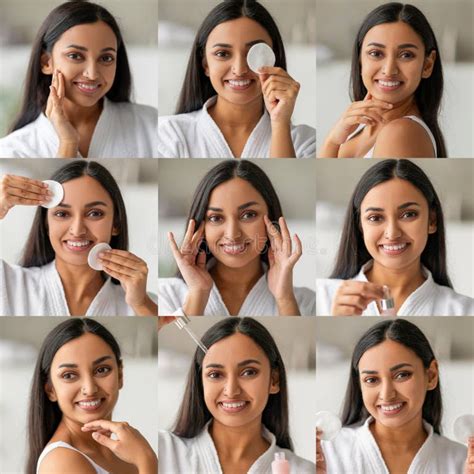
Free radicals, which are atoms containing unpaired electrons, can increase due to exposure to airborne pollutants like smog, cigarette smoke, pesticides, and even household cleaners. These unstable atoms try to steal electrons from other atoms, leading to cellular damage. In the skin, this damage breaks down collagen, resulting in a less healthy appearance characterized by sagging, dryness, dullness, wrinkles, and even hyperpigmentation. Collagen face masks offer a way to combat this damage.
The Role of Collagen in Skin Health and Aging
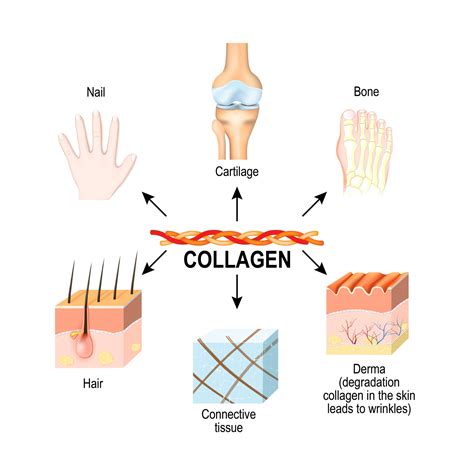
Collagen is the most abundant protein in the human body, providing structure, strength, and elasticity to skin, bones, muscles, tendons, ligaments, and connective tissues. It also plays a role in wound healing and maintaining organ integrity. Collagen production occurs naturally through a process called collagen synthesis, which requires amino acids, vitamin C, and minerals like zinc, copper, and manganese. As adults, we often prioritize diet and exercise, but the vital role collagen plays in maintaining skin health and appearance can sometimes be overlooked.
The Beauty History Behind Collagen
Collagen's use in skincare dates back centuries, with ancient civilizations utilizing animal-derived collagen for various beauty purposes. In the 20th century, advancements in science led to a deeper understanding of collagen's structure and function within the skin. Collagen masks gained popularity as advancements in cosmetic science allowed for the development of hydrolyzed collagen, a form that the skin absorbs more easily. Over time, collagen masks became a staple in both professional spa treatments and at-home skincare routines, offering a convenient way to deliver collagen directly to the skin.
Key Benefits of Using Collagen Face Masks
Collagen face masks have emerged as a cornerstone in modern skincare, providing a targeted approach to hydration, rejuvenation, and anti-aging. They are particularly beneficial for enhancing moisture retention, boosting elasticity, and promoting cell repair, offering a multifaceted solution for improving skin health and appearance.
Boosts Hydration
Collagen face masks are designed to enhance skin hydration by delivering moisture directly to the skin's surface, thereby strengthening its natural barrier function. Hydration is crucial for maintaining skin elasticity and preventing dryness, which can lead to irritation and premature aging. Masks often contain hydrolyzed collagen, which helps retain water in the skin, contributing to a plump and smooth appearance. Additionally, increased humidity from wearing face masks can improve hydration levels and support overall skin health.
Improves Elasticity
These masks are praised for their ability to improve skin elasticity, a key factor in maintaining a youthful appearance. As skin ages, it naturally loses collagen and elastin, leading to reduced elasticity and the formation of wrinkles. Collagen masks aim to replenish the skin's collagen levels, promoting a firmer and more resilient texture. Ingredients like hyaluronic acid, often found in these masks, amplify these benefits by attracting and retaining water, plumping the skin and supporting its natural repair processes.
The Role of Hyaluronic Acid in Collagen Masks
Hyaluronic acid is a humectant that can hold up to 1,000 times its weight in water, delivering intense hydration. This helps to plump the skin, reducing the appearance of fine lines and contributing to a smoother texture. By deeply hydrating the skin, hyaluronic acid also supports the skin's natural repair processes and improves its elasticity. When combined with collagen, it creates a hydrated environment that enhances collagen's role in maintaining skin firmness.
Soothes and Calms the Skin
Collagen face masks often incorporate ingredients that reduce irritation and promote a calming effect. Plant-based ingredients like aloe vera and chamomile extracts are known for their anti-inflammatory and skin-calming properties. Chamomile may help reduce redness, irritation, and swelling, while aloe vera's hydrating and reparative properties make it effective in soothing and restoring moisture balance. By delivering moisture and nutrients directly to the skin, these masks can help alleviate redness and discomfort, making them ideal for sensitive or stressed skin.
Brightens Skin Tone
Collagen face masks can help brighten skin tone by providing nourishing ingredients. Active components such as niacinamide, vitamin C, and botanical extracts are often included to reduce pigmentation and promote a more even complexion. Niacinamide inhibits melanin transfer, reducing dark spots and improving skin radiance, while vitamin C combats free radicals and promotes collagen synthesis, enhancing skin firmness and brightness.
Improves Skin Texture
These masks can significantly enhance skin texture by promoting hydration, elasticity, and repair. Hydrolyzed collagen penetrates the skin's surface to support its natural structure and smooth out rough patches. By delivering essential nutrients and moisture, they help plump the skin, reducing the appearance of fine lines and unevenness. They can also stimulate the skin's renewal process, encouraging the shedding of dead skin cells (desquamation) to reveal a softer, more refined complexion.
How Collagen Masks Support Natural Processes
While collagen molecules are generally too large to penetrate the skin's outer barrier when applied topically, collagen masks can still offer significant benefits. They primarily function as humectants, helping to temporarily hydrate, smooth, and plump the skin's surface. This immediate effect can make fine lines less noticeable and give the skin a smooth glow. Furthermore, well-formulated masks create an occlusive environment that helps other active ingredients penetrate more effectively, contributing to that desired post-facial glow.
Some masks contain ultralow molecular collagen or hydrolysates, which are smaller, broken-down versions that may be more effective at permeating the skin and improving the appearance of wrinkles. Additionally, even if the mask isn't directly stimulating collagen production, it can improve skin barrier function, reduce redness, maintain a healthy skin microbiome, and enhance overall complexion. These effects contribute to an improved appearance of wrinkles and a more radiant complexion.
The Science Behind Collagen Production
Collagen is made inside the skin through a process that involves amino acids, vitamin C, and minerals. As we age, collagen production naturally decreases. To support collagen production, ingredients like retinoids, vitamin C, and peptides can be used. Retinoids speed up cell turnover and trigger collagen synthesis, vitamin C supports enzymes that build new collagen fibers, and peptides act as messengers that signal the skin to strengthen its structure. Protecting existing collagen from UV exposure, stress, and inflammation is also crucial.
Aging Process of Skin: Dermal Injections to stimulate production of Collagen to rejuvenate skin
Incorporating Collagen Masks into Your Routine
Collagen face masks are versatile and can be easily adapted to your available time. For a quick fix, cleanse your face, apply the mask, relax for 10-20 minutes, remove, and massage any remaining serum into the skin. Using the mask 1-2 times a week is recommended for optimal results.
These masks can be particularly helpful in dry climates or during winter when skin is exposed to harsh conditions and indoor heating. They can also be beneficial during long flights where the dry cabin air can dehydrate the skin. However, it's important to note that the hydrating effects of these masks are often temporary. For a lasting anti-aging solution, it's advisable to incorporate daily skincare ingredients that have been studied to improve skin firmness and elasticity from within.
Professional vs. At-Home Treatments
While at-home collagen mask treatments are effective, professional spa treatments may offer enhanced benefits. A facial massage prior to mask application can further stimulate the skin for better ingredient absorption. Some spas also offer ultrasound penetration, which can increase ingredient absorption significantly.
What to Look for in a Collagen Mask
When choosing a collagen mask, remember that the presence of "collagen" in the name doesn't always mean it's the primary collagen-boosting ingredient. Look for masks formulated with ingredients that signal your skin to produce collagen, such as retinoids, peptides, and vitamin C. These ingredients have smaller, active molecules that can penetrate the skin or trigger signaling pathways to increase collagen production.
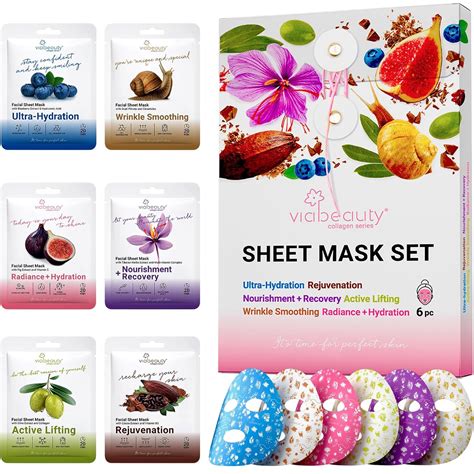
Consider masks that combine immediate gratification with smarter, skin-first ingredients. For example, some masks blend exfoliating acids with collagen-stimulating actives like retinyl palmitate, bakuchiol, and adenosine to trigger skin renewal. Others focus on hydration and barrier support with ingredients like ceramides, while still others incorporate peptides that signal repair and resilience. The best masks balance instant benefits with ingredients that support long-term skin health.
Expert Recommendations
Experts suggest that while collagen masks may not directly stimulate collagen production, they are excellent for providing a quick boost of hydration, plumping, and soothing the skin. The effects are often surface-level and temporary, but when used alongside ingredients and treatments that do stimulate collagen, they can leave the skin looking fresh, smooth, and nourished. They can be viewed as a finishing touch, perfect before an event, after a flight, or whenever the skin needs comfort and hydration, especially over winter.
For real, long-term collagen support, the focus should be on skincare ingredients, treatments, and habits that encourage the skin to produce collagen itself. This includes consistent sun protection, as UV exposure is a major driver of collagen breakdown. Therefore, protecting what you already have is as important as stimulating new production.