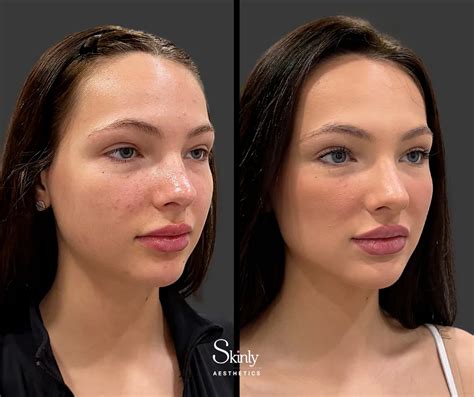
Many individuals experiencing temporomandibular joint (TMJ) pain and dysfunction are exploring Botox injections as a therapeutic option. This treatment has shown promising results in alleviating chronic facial pain and improving TMJ-related issues. However, the cost associated with dental Botox treatments can be a significant consideration for patients seeking relief.
Understanding the upfront costs and potential insurance coverage for Botox treatments for TMJ is crucial for making informed decisions about your healthcare. This article will delve into the expenses associated with Botox injections for TMJ and discuss the possibility of insurance coverage for these treatments.
What is TMJ?
If you frequently suffer from jaw pain, persistent headaches, or facial and jaw muscle weakness, you might be experiencing temporomandibular joint disorder (TMD). TMD is a joint disorder resulting from misalignment within the temporomandibular joint (TMJ).
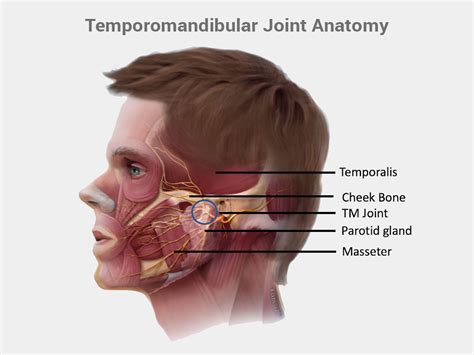
The TMJ is a crucial hinge joint located on each side of the jaw, connecting the mandible (lower jawbone) to the temporal bone of the skull. It is essential for our ability to open and close our mouth, enabling activities such as talking, chewing, and yawning. When this joint becomes injured or misaligned, it can lead to TMD, manifesting in various symptoms that can disrupt daily life, including significant jaw tension and pain in the facial muscles.
Causes of TMJ
TMJ disorders affect millions globally and are becoming increasingly prevalent, influenced by modern lifestyle factors such as stress and diets high in processed foods and sugars. While the precise cause of TMJ remains unknown, it is believed to stem from factors including severe stress, teeth grinding or clenching (bruxism), an uneven bite, arthritis within the joint, and genetic predisposition. Additional contributing factors can include traumatic injuries to the jaw area, misaligned teeth, gum disease, poor posture, and postural abnormalities like excessive forward head posture or neck positioning, all of which can lead to tension in the jaw joints and muscles.
Symptoms of TMJ
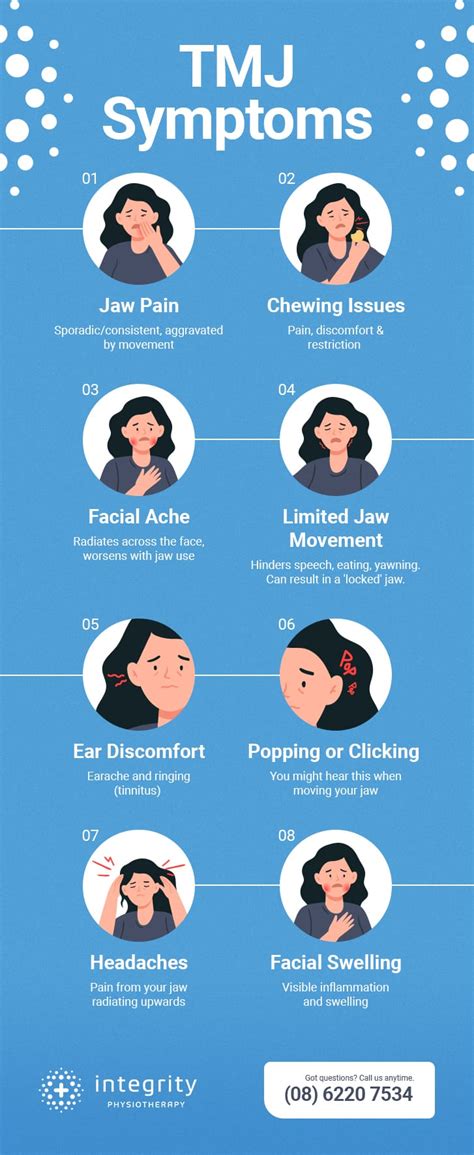
Common symptoms associated with TMJ can encompass chronic pain in the jaw, face, and neck; a distinct clicking or popping sound when opening or closing the mouth; intense tension headaches and migraines; ringing in the ears (tinnitus); restricted range of motion in the jaw muscles; and muscle spasms that may cause the jaw to lock in an open or closed position. Headaches that radiate from behind the eyes due to pressure on nerves around the affected joint are also a symptom. Furthermore, individuals may experience difficulty chewing due to sharp pain located in front of the ear or near where the jaw connects to the skull.
Common Treatments for TMJ
Established treatments for TMJ include physical therapy, the use of oral appliances like splints or night guards, and medications such as muscle relaxants and anti-inflammatory drugs. In some cases, surgery may be considered. Alongside these interventions, adopting stress management techniques, practicing good body mechanics during chewing and speaking, maintaining proper posture habits, and engaging in relaxation exercises like deep breathing are highly recommended.
For individuals who do not find relief with traditional TMJ treatments, Botox has emerged as a popular alternative therapy.
What is Botox?
Botox is a widely recognized medical treatment, increasingly popular for aesthetic enhancements. Millions worldwide opt for this procedure to reduce wrinkles, lift sagging skin, and mitigate other signs of aging. However, its therapeutic applications extend to medical conditions, including chronic migraines and TMJ disorder.
Botox is an injectable form of botulinum toxin type A, a neurotoxin protein that temporarily inhibits certain muscle movements. When injected into a specific treatment area, the botulinum toxin works by intercepting nerve signals to the injected muscles, thereby preventing muscle contractions. To maintain results, Botox injections are typically repeated every few months. It is widely accepted as an effective, non-invasive medical treatment with minimal side effects, provided it is administered by a qualified healthcare professional.
How Does Botox Help with TMJ Pain?
Botox injections can effectively alleviate the pain associated with TMJ disorder. By injecting Botox into the areas surrounding the temporomandibular joint, it helps to relax the muscles, thereby reducing jaw tension and spasms that cause discomfort. The mechanism involves blocking nerve signals from reaching the muscles experiencing painful contractions, preventing them from spasming and causing pain. The effects of Botox injections have been shown to last up to four months, offering significant relief to individuals suffering from TMJ-related pain.
Botox injections are considered a safe and effective method for managing TMJ-related pain. The procedure is relatively quick, straightforward, and involves minimal discomfort. Temporary swelling around the injection sites, resembling small bug bites, may occur but typically subsides within a few hours.
It is imperative that Botox injections are administered only by a qualified medical professional. Incorrect dosage or placement can lead to serious adverse effects.
How Much Does Botox Cost for TMJ?
The cost of Botox for TMJ treatment varies depending on the number and size of the treatment areas and the amount of Botox required. Generally, a single treatment session for TMJ may range from $500 to $700. However, several factors influence the final price, including the severity of symptoms and the specific type of injections needed. For more extensive treatments, involving multiple injections or higher doses, the cost could potentially increase to approximately $2,000.
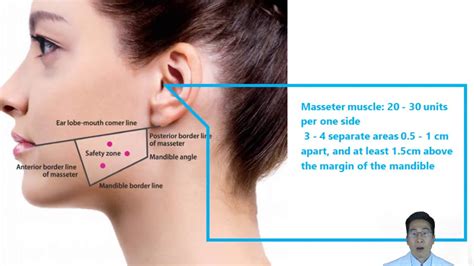
Masseter Botox, specifically targeting the jaw muscles for conditions like teeth grinding or aesthetic jawline slimming, can also vary in price. Depending on the provider and location, a session can range from $300 to $1,000. This cost is influenced by the number of units of Botox administered, with typical treatments requiring 20-30 units per side, totaling 40-60 units. At a price point of $10-20 per unit, a session often falls between $500 and $1,000.
Over an extended period, such as five years with an assumed three treatments annually after the first year, the total investment for masseter Botox could range from $7,000 to $14,000. Many practices offer package deals or membership programs that can reduce the per-treatment cost for regular patients.
Is Botox for TMJ Covered by Insurance?
The use of Botox injections for temporomandibular joint disorder (TMJ) is still considered experimental and has not yet received FDA approval specifically for this indication, although it can be prescribed off-label for TMJ. Consequently, it is unlikely to be covered by most insurance plans. However, insurance policies vary significantly, and it is advisable to consult directly with your insurance provider for specific details regarding your plan's coverage.
If you have a Flexible Spending Account (FSA) or Health Savings Account (HSA), these funds may be utilized to help offset the cost of your Botox treatment for TMJ.
Comparing Masseter Botox and Jaw Surgery
The pursuit of a refined jawline and relief from jaw-related issues has led many to consider two primary approaches: masseter Botox and traditional jaw surgery. While jaw surgery offers permanent structural changes, masseter Botox provides a low-risk, reversible option.
Reasons for Seeking Jawline Contouring
Individuals seek jawline contouring for a variety of reasons beyond aesthetics. Many struggle with an overly square or masculine jawline caused by enlarged masseter muscles due to chronic teeth grinding or clenching. Others experience facial asymmetry, where one side of the face appears fuller than the other. The masseter muscles, located on either side of the jaw, are vital for chewing and jaw movement. When these muscles become overdeveloped through repetitive clenching or genetic factors, they contribute to a wider, more angular facial appearance.
Masseter Botox: A Non-Surgical Solution
Masseter Botox represents a cutting-edge non-surgical approach to facial contouring. It uses botulinum toxin to temporarily relax and reduce the bulk of overdeveloped jaw muscles. The treatment involves precise injections into each masseter muscle, leading to a gradual shrinkage over several weeks. The popularity of this treatment has surged, particularly among those seeking subtle facial refinement. The procedure is quick, requires minimal recovery, and allows patients to resume daily activities immediately.
Jaw Surgery: Addressing Skeletal Abnormalities
Orthognathic surgery becomes necessary when jawline concerns stem from skeletal abnormalities rather than muscle bulk. Conditions such as severe overbite, underbite, or jaw asymmetry that impact chewing, breathing, or speech require surgical intervention to reposition the jaw bones. Unlike masseter Botox, which targets soft tissue, jaw surgery results in permanent structural changes that can significantly alter facial proportions.
Cost Comparison
The financial investment for these treatments differs substantially. Jaw surgery averages around $30,623, encompassing surgeon fees, anesthesia, operating room expenses, and initial follow-up care. This figure often excludes pre-surgical orthodontics, post-operative medications, and potential revision procedures. Masseter Botox sessions typically range from $500 to $1,000 per treatment. Over five years, assuming multiple treatments annually, the total investment for masseter Botox can range from $7,000 to $14,000.
Insurance Coverage
Insurance coverage for jaw surgery varies based on medical necessity. Procedures addressing functional issues like sleep apnea, severe malocclusion, or TMJ disorders may be partially or fully covered. Purely cosmetic jaw contouring rarely receives insurance approval.
Results and Timeline
Clinical evidence shows impressive outcomes for both options, though the timeline and nature of results differ. Masseter Botox achieves a reduction in muscle thickness, with most patients reporting satisfaction with aesthetic narrowing. The transformation unfolds gradually over 4-6 weeks, with initial softening visible within two weeks and peak slimming effects around week six. Beyond aesthetics, many patients experience reduced teeth grinding, fewer tension headaches, and improved facial symmetry. Jaw surgery delivers immediate structural changes, creating permanent alterations to facial proportions and profile.
Recovery Experience
Masseter Botox requires virtually no downtime, while jaw surgery demands extensive recovery lasting months. Jaw surgery recovery involves a strict progression, including a liquid diet for several weeks, followed by soft foods. Facial swelling peaks early post-surgery and gradually subsides. Masseter Botox patients can resume all normal activities immediately, with only minimal restrictions like avoiding strenuous exercise for 24 hours.
Choosing the Right Treatment
Selecting the appropriate treatment requires an honest assessment of your anatomy, goals, and tolerance for risk. Ideal candidates for masseter Botox have enlarged jaw muscles from grinding, clenching, or genetics, rather than prominent bone structure. Those seeking subtle refinement rather than dramatic transformation find this treatment suitable. Surgery is indicated when skeletal abnormalities create functional problems or severe aesthetic concerns. Most aesthetic professionals recommend starting with masseter Botox to gauge your response and satisfaction before considering permanent surgical alteration.
Unlocking the Power of Botox: Masseter Jaw Reduction Explained
Patient Testimonials on Masseter Botox
The effectiveness and value of masseter Botox are often best understood through personal experiences. Several individuals have shared their perspectives on whether the results justified the cost:
- Aisha C. (26): Sought treatment to reduce jaw clenching and slim her face. She reported no significant changes in face shape and only a slight, temporary reduction in jaw clenching, deeming it not worth the $400 cost.
- Nicole P. (28): Received treatment for TMJ symptoms including clicking, clenching, grinding, and pain. She found it provided significant relief from TMJ symptoms, reduced pain intensity, and diminished the size of her masseter muscles, calling it "a huge relief for my TMJ" and worth the free cost (covered by insurance).
- Angela P. (47): Underwent treatment for TMJ and credited Botox with stopping debilitating migraines for three years and preventing TMJ flare-ups. She stated, "I would definitely keep paying for this," indicating high satisfaction with the $1,000 treatment.
- Kate H. (53): Aimed to address lower face sagging and achieve a sharper, slimmer jawline. She felt the $400 cost was not justified by the minimal difference observed in her jaw muscle, concluding, "Wasnât worth the price."
- Minal M. (36): Used masseter Botox to manage jaw clenching due to anxiety, which caused headaches, with facial slimming as a bonus. She saw a change after six weeks and plans to continue maintenance, noting the effects wear off after three months, making it "worth it" for the $500 cost.
- Chantal E. (38): Sought relief from jaw and neck pain caused by clenching during sleep, as a mouthguard was ineffective. She found major relief for her pain, with less emphasis on cosmetic difference, stating, "Would one hundred percent pay for this again" for the $400 cost.
- Jorien E. (35): Recommended by her dentist for severe jaw pain from nighttime clenching. She emphasized the importance of a reputable provider, as an incorrect injection impacted her smile for six months. Despite this, she found the treatment "So worth itâif you have the right provider" for the $450 cost.
- Chelsea O. (24): Pursued masseter Botox purely for aesthetic reasons, feeling her face looked puffy. She experienced a dramatic positive change, describing the difference as "like night and day," and found the $300 treatment "Very much worth it."