Many people desire youthful-looking skin, but aging is a natural part of the process. Collagen masks have gained popularity as a potential remedy, claiming to replenish collagen and enhance skin firmness. However, the effectiveness of these masks, particularly their ability to deliver collagen deep into the skin, is a subject of ongoing discussion and scientific inquiry.
Understanding Collagen and Skin Absorption
Collagen is a large molecule, measuring approximately 300,000 Daltons. Due to its significant size, the skin’s outer layer, the stratum corneum, cannot effectively absorb whole collagen molecules. Instead, only smaller forms of collagen, such as hydrolyzed collagen peptides, can be absorbed into the skin, and even then, only to a limited degree.
When collagen peptides are applied topically, such as in a face mask, they primarily remain on the surface of the skin. Their main functions in this capacity are to draw in moisture, create a protective barrier, and improve the overall skin environment, which can indirectly enhance its texture and hydration. Claims that collagen from a face mask can penetrate deeply into the dermis and significantly boost collagen levels often contradict current scientific understanding.
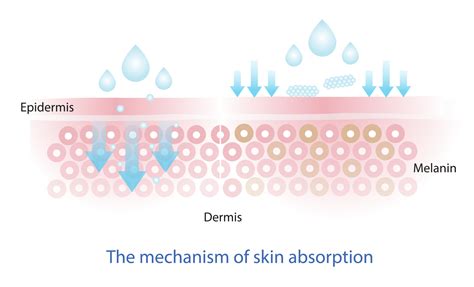
The process of a collagen mask becoming transparent as it interacts with moisture and skin is due to the dissolution of mask ingredients. During this time, collagen peptides and other active components work on the outer layer of the skin, contributing to hydration, protection, and barrier strengthening.
The Role of Collagen Peptides
Collagen peptides are small pieces of protein derived from whole collagen. When taken orally, they appear to accumulate in the skin and cartilage, potentially offering benefits for certain skin and joint conditions. They are commonly used for dry skin, aging skin, and osteoarthritis, though scientific evidence supporting many other purported uses is limited.
It is important to distinguish collagen peptides from native collagen types or gelatin. While oral collagen peptides may improve skin hydration and elasticity, particularly in older individuals and those with dry skin, their effectiveness in significantly reducing wrinkles or increasing muscle strength is less clear.
Uses & Effectiveness (Oral Collagen Peptides):
- Possibly Effective for: Aging skin (improves hydration, elasticity, potentially reduces wrinkles); Dry skin (improves hydration and elasticity).
- Possibly Ineffective for: Muscle strength (leg strength not improved, but hand-grip strength may be).
Regarding safety, oral collagen peptides are considered possibly safe when consumed in doses up to 10 grams daily for up to six months, with side effects being rare. However, there is insufficient reliable information about their safety during pregnancy and breastfeeding, so avoidance is recommended.
Collagen Face Masks: Benefits and Considerations
Collagen face masks have become a popular skincare treatment, primarily lauded for their hydrating and smoothing properties. They help maintain skin hydration and support the moisture barrier by forming a thin layer on the skin's surface, which locks in moisture and prevents water loss, leading to softer, smoother, and more comfortable skin.
When selecting a collagen mask, it is advisable to look for products containing hydrolyzed collagen or collagen amino acids, as these forms are more readily absorbed into the upper layers of the skin. These smaller molecules have been shown in some studies to penetrate the upper layers of the skin and potentially stimulate new collagen production. A small study published in the Journal of Cosmetic Dermatology indicated that topical hydrolyzed collagen application for one month increased skin moisture content and elasticity in middle-aged women.
Some collagen masks are designed for overnight wear, allowing the skin ample time to absorb hydrating ingredients, boost elasticity, firmness, and reduce the appearance of fine lines and wrinkles. Hydrogel masks, for instance, are often infused with low molecular weight collagen, hyaluronic acid, niacinamide, and galactomyces ferment to improve elasticity, minimize pores, and brighten skin tone.
Potential Side Effects and Best Practices
Topical collagen itself is generally not considered a skin irritant. However, other ingredients commonly found in collagen masks, such as antioxidants (e.g., vitamin C) or botanical extracts, can potentially cause side effects in sensitive individuals. Added fragrances can also be a trigger for skin irritation.
If immediate tingling, burning, or redness occurs after applying a collagen mask, it should be removed promptly. A pleasant cooling sensation followed by gentle tingling is generally considered normal.
For optimal results, it is recommended to:
- Wash the skin with a gentle cleanser.
- Apply the collagen mask according to the product's instructions, removing it at the recommended time.
- Follow up with a thin layer of moisturizer.
Effective Alternatives for Stimulating Collagen
Beyond masks, several other ingredients and treatments are recognized for their effectiveness in stimulating collagen production:
- Retinoids (and Retinol): These vitamin A derivatives are considered a gold standard for combating wrinkles, sagging, discoloration, and rough skin texture.
- Vitamin C Serum: This antioxidant protects against environmental damage, lightens discolorations, and boosts collagen production.
- Laser Treatments and Radiofrequency Devices: These professional treatments can stimulate collagen and elastin production in the skin.
- Sun Protection: Daily application of a broad-spectrum SPF moisturizer or sunscreen is crucial for protecting existing collagen from sun damage.
Foot Masks: A Growing Trend in Foot Care
In addition to facial skincare, foot masks have emerged as a popular trend in foot care, promising softer, smoother feet. These single-use products are typically shaped like socks and contain a serum-soaked fabric within a plastic exterior, designed to be worn for at least 10 minutes.
Various formulations cater to different foot concerns:
- Hydrating and Soothing Masks: Products like the I’m Lovely Peach Foot Mask aim to hydrate, soothe, and rejuvenate feet, often enriched with ingredients like Hemp Seed Oil and Alpha Hydroxy Acids (AHAs) to gently exfoliate calluses and rough skin.
- Exfoliating Foot Masks: These masks are designed to smooth dry, dead skin and gently peel away hard calluses over time, utilizing ingredients like AHAs.
- Intensely Hydrating Masks: Masks enriched with soy plant-based collagen and shea butter provide age-defying hydration, soothe, firm, and diminish the appearance of dark spots.
- CBD-Infused Masks: These combine broad-spectrum CBD with botanicals to target fatigued and dry skin, offering softening benefits from ingredients like coconut oil and sweet almond oil.
- Natural Ingredient Masks: Foot peel masks featuring natural ingredients such as apple, lemon, and aloe vera aim to rejuvenate feet, leaving them soft, smooth, and callus-free.
- Cooling and Creamy Masks: Some masks offer a cooling and creamy sensation, energizing and cleansing the feet while drawing out impurities and softening the skin.
- Collagen Cream Masks: These masks, often infused with spearmint and eucalyptus, revitalize tired feet and legs, providing a refreshing aromatherapy experience and promoting circulation.
Peeling foot mask on my face - Grace Madness
Application of Collagen Cream Mask
Instructions for a typical Collagen Cream Mask involve applying a thin layer over clean feet and legs, rubbing it in until fully absorbed, and not rinsing it off.