Color correcting makeup is a transformative technique that has been a well-kept secret in the beauty industry, particularly for achieving flawless complexions on Hollywood's red carpets. As more individuals seek to perfect their skin tone and address discolorations that traditional concealers can't fully conceal, color correction is rapidly gaining popularity. This guide will help you understand and master this essential makeup technique.
Understanding the Science Behind Color Correcting
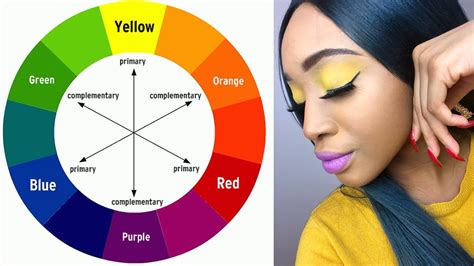
At its core, color correcting is rooted in art class and the principles of the color wheel. The fundamental concept is that colors opposite each other on the wheel neutralize one another. By identifying the specific discoloration you wish to conceal or neutralize, you can then find its complementary color on the wheel. Applying this complementary color will effectively cancel out the unwanted tone, leading to a more balanced and even complexion.
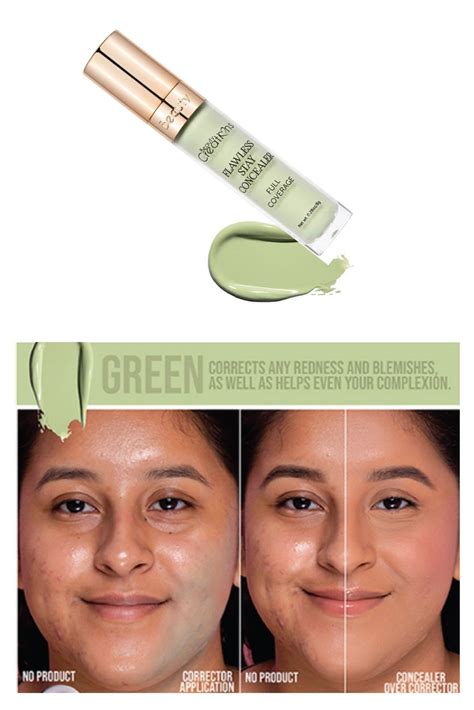
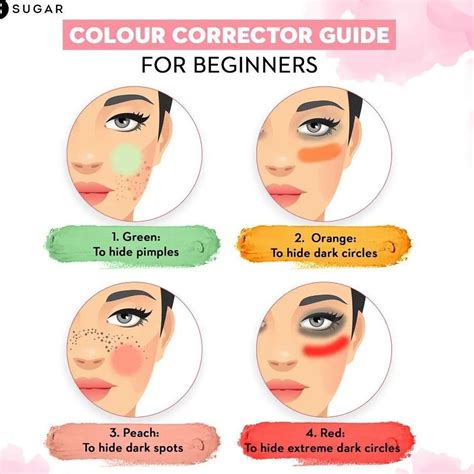
Color correcting makeup utilizes different colored concealers to neutralize specific skin concerns. Each color targets a different issue, such as green for redness. When applied before foundation, these color correctors help to even out skin tone and balance your complexion, acting as a game-changer for achieving flawless-looking skin with minimal effort.
What is Color Correcting Makeup Used For?
Color correcting makeup is a versatile tool that can be applied alone or layered under foundation for a seamless finish. It's an effective solution for targeting a range of skin concerns, including:
- Redness: Whether from acne, rosacea, eczema, sunburn, or general skin irritation.
- Dark Circles: Addressing the blue or purple tones often found under the eyes.
- Discoloration: Evening out dark spots, age spots, hyperpigmentation, and acne scars.
- Sallow or Dull Skin: Brightening and adding radiance to complexions that appear tired or lackluster.
By using color correctors, you can achieve a smooth, radiant, and more uniform complexion.
Choosing the Right Color Corrector for Your Skin Concerns
Selecting the appropriate color corrector is crucial for effectively neutralizing discoloration. Consider your specific skin concerns, undertones, and skin tone when making your choice. Here's a breakdown of common color correctors and their uses:
Green Color Corrector
Best for: Redness.
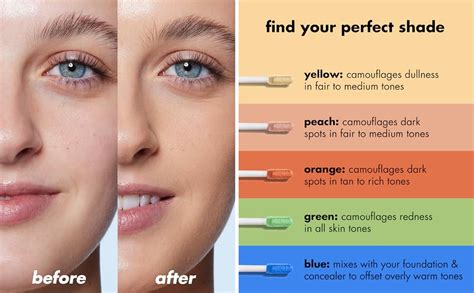
Green is the direct opposite of red on the color wheel and is highly effective at neutralizing any rosy or red undertones. It's a savior for those battling redness caused by acne, rosacea, eczema, sunburn, rashes, or redness around the nose. Green color correctors can be used on all skin tones and are a must-have for combating facial redness.
Yellow Color Corrector
Best for: Dullness, subtle redness, and light purple tones.
Yellow is excellent for brightening fair to medium skin tones and combating dullness. It can help disguise light purple tones and is beneficial for those with aging, dull skin or who are recovering from illness. It can also be used to correct pink and very subtle redness.
Peach and Orange Color Correctors
Best for: Dark circles, blue tones, and dark spots.
Colors in the peach to orange family are designed to neutralize and brighten the appearance of blue and purplish tones. They are particularly effective for correcting dark circles under the eyes, as well as dark spots, sunspots, age spots, and hyperpigmentation with bluish undertones. For lighter skin tones, peach is recommended, while deeper skin tones may benefit from more vibrant orange shades. These shades can also help conceal bruises and tattoos.
Purple/Lavender Color Corrector
Best for: Yellow undertones and sallow skin.
Purple and lavender correctors are useful for neutralizing yellow undertones and brightening sallow or dull-looking skin. They can help make the face appear more alive and radiant, especially after illness.
Pink Color Corrector
Best for: Dark circles on light to medium skin tones.
Similar to peach and orange, pink tones can counteract the appearance of blue tones in dark circles under the eyes, particularly for lighter to medium skin tones.
Blue Color Corrector
Best for: Orange tones and hyperpigmentation.
Blue color correctors are effective at balancing out orange tones on the skin. They can correct an overly orange complexion or orange-hued dark spots and hyperpigmentation. Blue, like green, can be used on any skin tone.
How to Apply Color Correctors
Proper application is key to achieving a seamless, natural finish with color correctors. The most important advice is to start with a light hand and use a small amount of product.
- Choose the Right Formula: Opt for lightweight, crease-resistant formulas with a satin finish that layer well under foundation and concealer. Look for formulas with skin-loving ingredients like hyaluronic acid or rose flower water.
- Apply Before Foundation: Color correctors are typically applied after your foundation but before your concealer. However, some prefer applying them after foundation and before concealer. Experiment to find what works best for you.
- Targeted Application: Using a flat concealer brush or your ring finger, lightly dab the color corrector directly onto the specific problem area. Avoid applying it around the spot, focusing only on the discoloration itself.
- Blend Gently: Blend the edges of the color corrector very lightly. The goal is not to completely cover the color, but to neutralize the undertone so it becomes more neutral. You should never see the color of the corrector on your face once blended.
- Layer Foundation: Apply your foundation as you normally would, being gentle with your blending over the corrected areas.
- Conceal (if needed): Apply your regular concealer over the corrected areas to fully camouflage any remaining imperfections.
- Set: Finish by setting your makeup with a translucent powder.
If you're using a color correcting concealer, apply it very lightly onto the discoloration, powder it, and then apply your foundation on top. The best way to know if you're using the correct shade is to observe how well it neutralizes the discoloration without looking cakey or obvious.
Product Recommendations
Several brands offer effective color correcting products. Here are a few examples:
- Drugstore Favorites:
- NYX Cosmetics Color Correcting Palette
- Wet 'n' Wild Color Icon Bronzer Palette (can sometimes be used for color correcting depending on shades)
- Mid-Range and High-End Options:
- Stila All-in-One Color Correcting Palette
- MAC Studio Conceal and Correct Palette
- Urban Decay Naked Color Correctors (particularly good for fair to medium skin tones)
- TEMPTU: Color Correcting Neutralizer Wheel
- LE MAQUILLAGE PRO: Fard Creme Palette AB03
- SMASHBOX Photo Finish Primer (offers radiance for yellow undertones)
- Multi-tasking Products:
- Moody Sisters’ Tinted Primer Color Corrector (available in Mint, Mauve, and Yellow)
When choosing products, especially for deeper skin tones, be mindful that some lighter correctors might not be sufficient. Always look for shades that will effectively neutralize your specific concerns.
How to Apply COLOR CORRECTOR (Beginners Must Watch!)
tags: #color #correcting #chart #makeup