Symphytum officinale, commonly known as comfrey, is a plant native to Europe that often grows unnoticed in damp, grassy areas, ditches, and along riverbanks. This purple-flowered plant has a long history of medicinal use, spanning over 2000 years, and is particularly recognized for its potential benefits for the skin.
Understanding Comfrey
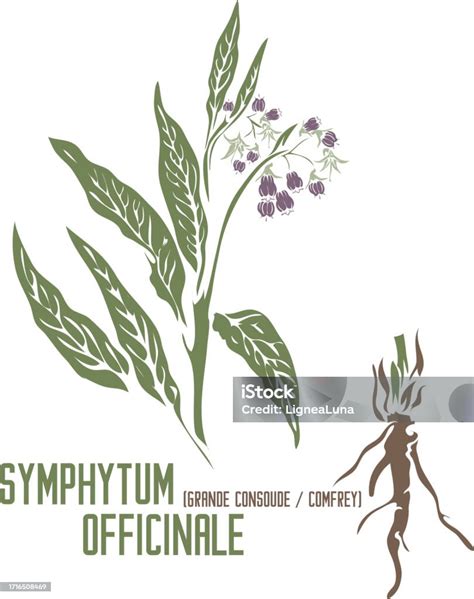
Comfrey, scientifically identified as Symphytum officinale, is a plant that can reach heights of up to five feet. It is characterized by clusters of purple, blue, and white flowers, long, slender leaves, and distinctive black-skinned roots with a white, fleshy interior rich in botanical juice. While it is found across parts of Europe, Asia, and North America, its traditional use has been widespread on both people and animals.
Historically, comfrey has been known by names such as "knitbone" due to its perceived benefits for sprains, burns, and bruises. In traditional medicine, it has been employed to address a variety of issues, including:
- Joint disorders
- Pulled muscles and ligaments
- Bone fractures
- Hemorrhoids
- Stomach issues, such as ulcers
- Skin problems
Comfrey has been consumed orally or applied topically through balms, ointments, and other preparations. However, it is crucial to note that healthcare professionals generally advise against internal consumption due to the presence of toxic pyrrolizidine alkaloids, which can cause liver damage.
Key Compounds and Their Benefits for Skin
The root and leaf extracts of the comfrey plant contain several chemical substances that are believed to contribute to its therapeutic properties. Among these are allantoin and rosmarinic acid, which are thought to be responsible for its anti-inflammatory and wound-healing effects.
Allantoin: The Skin Softener and Hydrator
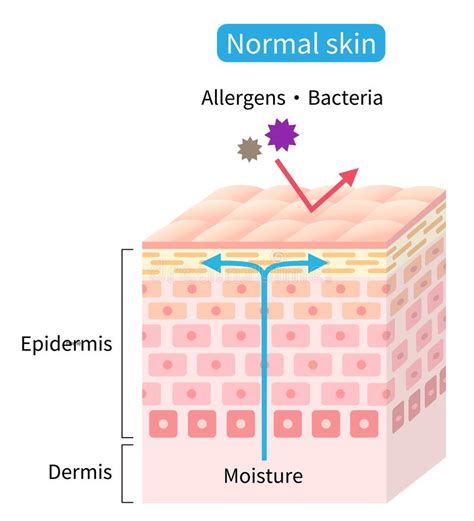
The compound allantoin is highly valued in the medicinal world for its beneficial effects on the skin. It acts as an emollient, softening the skin. Furthermore, allantoin possesses keratinolytic properties, meaning it can soften keratin - a tough, inflexible protein found in the outermost layer of the skin. By softening keratin, allantoin facilitates the skin's ability to retain moisture more effectively. This results in skin that is moister, softer, and better hydrated.
The presence of allantoin in comfrey root extract makes it an excellent skin softener. When applied topically, it can form a protective layer over skin cells, helping to lock in moisture while still allowing the skin to breathe. This contributes to a complexion that appears soft, vibrant, and healthy.
Rosmarinic Acid: Anti-inflammatory and Antioxidant Properties
Rosmarinic acid, another key component found in comfrey extracts, contributes significantly to the plant's anti-inflammatory capabilities. Beyond its anti-inflammatory effects, rosmarinic acid is also a potent antioxidant. Topical application of antioxidants can help protect the skin from environmental damage, including that caused by UV rays and other free radicals.
Tannins: Protective Compounds
The comfrey plant also contains tannins, which are defensive compounds that protect the plant. In skincare, these tannins play an important role in shielding the skin from environmental toxins.
Potential Benefits for Skin and Joint Health
Wound Healing
Topical preparations of comfrey have shown potential positive effects on skin wounds by promoting cell growth and regeneration. The antioxidant effects of comfrey extracts are believed to contribute to this wound-healing potential. However, it is important to note that more research is needed to confirm its effectiveness and safety. Healthcare professionals typically advise against applying comfrey to open wounds and recommend consulting a doctor before use.
Relieving Joint Pain and Inflammation
Research suggests that topical comfrey creams may possess pain-relieving properties that can alleviate joint pain. Traditional uses of comfrey have often focused on addressing joint inflammation, swelling, and disorders. Studies indicate that comfrey may help relieve symptoms associated with osteoarthritis, such as pain and stiffness, particularly in the morning and evening, and limitations in joint function.

Despite these potential benefits, some research has indicated that comfrey did not improve joint inflammation or cartilage breakdown, and some participants experienced side effects.
Risks and Safety Concerns
While comfrey offers potential benefits, it also carries significant risks, particularly concerning internal consumption. Comfrey contains pyrrolizidine alkaloids, which are toxic to the liver. As a result, many countries have banned the sale of oral comfrey preparations, such as capsules or teas.
Liver Toxicity
Consuming comfrey can lead to acute liver injury, characterized by symptoms like jaundice, upper right abdominal pain, nausea, and fluid retention leading to weight gain. In severe cases, this injury can progress rapidly to liver failure. Healthcare professionals strongly advise against eating or taking any form of comfrey by mouth.
Topical Application Side Effects
Even topical application of products containing comfrey extracts can cause side effects on the skin. These may include hypersensitivity, itchiness, rashes, irritation, and burning sensations. It is always recommended to consult with a doctor before using comfrey in any form.
Availability and Recommendations
While oral comfrey preparations are largely banned, topical formulations such as ointments, creams, and salves may still be available. These products might contain other ingredients, so it is advisable to read the label carefully before purchasing. Topical comfrey preparations can often be found in health stores and pharmacies.
Always speak with a doctor or healthcare professional before using products containing comfrey to fully understand the potential benefits and risks associated with your specific situation.