Effleurage is a foundational massage technique renowned for its ability to encourage relaxation, stimulate blood circulation, and promote lymph flow. This gentle method is often employed to prepare muscles for more vigorous massage techniques by increasing their temperature and enhancing blood flow. Beyond its warming effects, effleurage plays a crucial role in stimulating the lymphatic system, a vital component of the body's circulatory system responsible for transporting lymph fluid. This stimulation aids in the removal of waste products, thereby contributing to overall health and well-being.
The application of effleurage involves light pressure, typically utilizing fingers and flat hands. It is commonly used at the beginning of a massage treatment to establish a connection and promote a sense of calm. The strokes are generally long and directed towards the heart, which helps to increase the temperature of soft tissues and improve blood circulation.
The Role of Effleurage in Stimulating the Lymphatic System
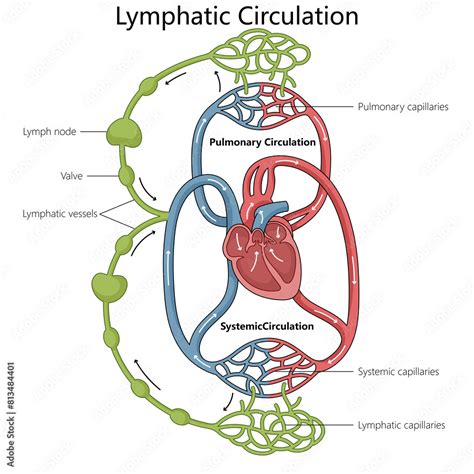
Effleurage is particularly effective in stimulating the lymphatic system. This system is integral to the body's defense mechanisms and waste removal processes. When effleurage is applied, especially in an upward direction towards the lymph nodes - small, bean-shaped glands distributed throughout the body - it encourages the flow of lymph fluid. Lymph nodes are interconnected via lymphatic vessels, and their proper functioning is essential for maintaining health.
By stimulating the lymphatic system, effleurage enhances its functioning, facilitating the drainage of waste products and supporting the immune system. This makes it a valuable technique in therapeutic contexts, especially post-injury or post-surgery, where lymphatic function might be compromised. Damage or removal of lymph nodes during surgery can lead to fluid buildup, a condition known as lymphedema, which can result in various health problems. Maintaining optimal lymph flow through techniques like effleurage is therefore crucial for preventing such complications.
When is Effleurage Applied?
Effleurage finds application in numerous circumstances, primarily centered around promoting relaxation and recovery. When performed slowly, effleurage can significantly stimulate the parasympathetic nervous system. This activation leads to the release of positive hormones, such as endorphins, which contribute to feelings of happiness and well-being, and increases the temperature of soft tissues. The parasympathetic system is key to restoring the body to a state of calm and relaxation, particularly after experiencing stress from emotional or physical events, including work, health concerns, or sporting activities.
Effleurage is also a beneficial technique used in the aftermath of injuries. By directing strokes upwards to encourage lymphatic flow, it aids in the immune system's response and the drainage of accumulated waste products. Similarly, post-surgery, effleurage can help maintain the integrity and function of the lymphatic system, mitigating the risk of lymphedema.
Physiological Effects and Benefits of Effleurage
Massage, in general, elicits significant physiological responses, and effleurage is no exception. It notably increases venous return, which is the rate at which blood is returned to the heart. The direction of the strokes in effleurage directly influences and boosts this circulation. Furthermore, the stimulation of the lymphatic system by effleurage aids in flushing toxins away from the body, contributing to a healthier internal environment and supporting the immune system's efficacy.
The therapeutic benefits of effleurage extend to promoting healing and improving recovery. By enhancing blood circulation, effleurage facilitates greater cellular exchange within tissues, delivering increased oxygen and vital nutrients to cells. This improved supply aids in the repair of damaged tissues and can accelerate recovery by effectively draining toxins that may accumulate from strenuous exercise. The relaxation induced by effleurage, achieved through parasympathetic nervous system stimulation, positive hormone release, and increased soft tissue temperature, helps to alleviate stress and restore the body to a balanced state.
Scalp Massage: Incorporating Effleurage
While effleurage is a versatile technique applied to many body parts, its application to the scalp offers unique advantages. Scalp massage, a simple yet highly effective practice, provides a wonderful way to relax, relieve stress, and improve scalp health, potentially promoting hair growth. Common areas for effleurage include the arms, back, thighs, and calves, but the scalp is equally responsive to its soothing touch.
Scalp massage, in general, offers multiple benefits: it reduces stress, promotes blood circulation essential for healthier hair, exfoliates the scalp to prevent dandruff, lessens inflammation associated with various scalp conditions, and provides relief from headaches. It is a simple, quick, and effective method for enhancing both scalp health and overall well-being.
Massage therapists and hair stylists recognize the value of scalp and head massage, particularly for individuals experiencing chronic headaches or jaw pain. Unlike deep tissue or sports massage, scalp massage does not require intense pressure. Techniques like effleurage, involving circular motions and strokes, are used to invigorate the scalp and increase circulation to the head. Another technique, petrissage, involves a gentle kneading action to lift the scalp.
How to Use the Effleurage Technique
Specific Effleurage Techniques for the Scalp
Effleurage on the scalp relies on smooth, flowing strokes, often performed with the fingertips or the flat of the hand. These movements aim to gently warm the scalp, soothe the nervous system, and induce a sense of calm. When incorporated into a broader massage routine, effleurage serves as an initial step to prepare the scalp for deeper work or as a finishing touch to bring the client back to a relaxed state.
Studies suggest that scalp massage can promote hair growth, partly due to increased blood flow to the hair follicles. This improved circulation may also contribute to lymphatic drainage, aiding in the removal of toxins from cells. The kneading and rubbing motions associated with scalp massage are excellent for tension relief, offering significant benefits for headache sufferers. The enhanced blood flow can alleviate symptoms of both tension headaches and migraines.
Beyond immediate relief, scalp massage contributes to overall health and well-being. It can be particularly beneficial for individuals experiencing bruxism (teeth grinding) or TMJ symptoms, by reducing muscle tension and stress in the head, scalp, and face. This reduction can lead to fewer symptoms of anxiety and depression, an improved mood, a slower resting heart rate, and lower blood pressure, thereby reducing strain on the heart.
Considerations for Scalp Massage
When performing scalp massage, it is important to be mindful of the client's comfort. Some individuals may not be comfortable with having their hair touched, so it's advisable to inquire beforehand. Care should also be taken to avoid tangling or damaging hair. A common approach is to start massaging closer to the face and temples, gradually working towards the back of the head and the neck area.
Some spas and massage therapists integrate scalp massage as part of a full-body treatment, while others offer it as an optional add-on service. The choice of massage oil can also be personalized; natural oils such as coconut, almond, avocado, or jojoba are often recommended for their moisturizing properties for both the hair and scalp.
Effleurage, meaning 'to skim' or 'to lightly touch,' is defined in massage as smooth, flowing strokes using the flat of the hand, fingers, or forearm. It is designed to warm muscles, soothe the nervous system, and create a sense of calm. Effleurage is an essential part of a well-structured massage routine and is a core technique within Swedish massage, one of the most widely taught forms of therapeutic massage globally.