Cleansing is a foundational part of every skincare routine, and face washes can be especially valuable in combating dermatological conditions like acne and rosacea when they contain the right ingredients. If you deal with breakouts, benzoyl peroxide is a powerful ingredient you may want to incorporate into your routine.
This article unpacks the science behind benzoyl peroxide and how you can use it to achieve clearer, healthier skin.
The Importance of Cleansing Your Skin
As skin cleansing techniques have evolved, the focus has shifted from merely removing grime to enhancing skin health and appearance, and even providing moments of relaxation. The benefits extend to dermatological conditions like acne, rosacea, and others, where cleansers can work alongside other therapies. It is important to use a cleanser because some environmental impurities and cosmetic products are not water-soluble, meaning that washing your skin with just water doesn't effectively remove them. Cleansers can emulsify these impurities into smaller particles, making them water-soluble and easier to remove. A well-designed cleanser does more than clean-it eliminates dirt, sebum, microorganisms, and more, all without harming your skin.
What is Benzoyl Peroxide?
Benzoyl peroxide is a topical medication accessible both over-the-counter and through prescription. It is FDA-approved for treating acne vulgaris, a prevalent skin condition featuring blackheads, whiteheads, and pimples (papules and pustules). Unlike many topical antibiotics, benzoyl peroxide has a key advantage: it seems to not lead to drug resistance. This means your benzoyl peroxide face wash will continue to effectively fight off acne, even with long-term use. Beyond acne, it possesses off-label applications, targeting inflammatory rosacea and inflammation within hair follicles. Its versatility and effectiveness make it a significant asset in dermatological care, helping you achieve clearer skin.
Benzoyl Peroxide's Action Against Acne
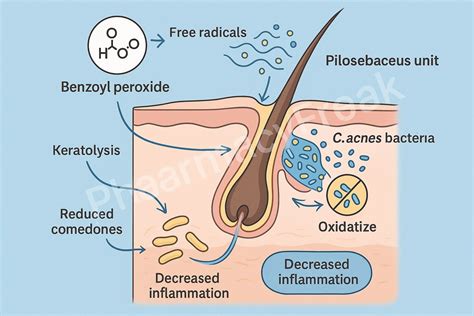
Benzoyl peroxide stands as a formidable adversary against acne. This medication exerts its action in a bactericidal manner, actively eliminating bacteria. Specifically, it targets Cutibacterium acnes (C. acnes), a bacteria found on your skin and within hair follicles, notorious for its role in acne development. Benzoyl peroxide also has properties that aid in controlling sebum production and addressing blocked pores, which are key factors in acne formation.
Available in concentrations ranging from 2.5% to 10%, benzoyl peroxide comes in various forms, including lotions, creams, gels, foams, solutions, cleansing bars, cloths, pads, masks, and even shaving creams. The recommended frequency of use varies based on the formulation. For example, cleansing bars and washes are typically used one to three times a day, while masks are applied once a week.
Research has highlighted that combination products containing benzoyl peroxide alongside other topical treatments, such as antibiotics or the retinoid adapalene, can yield superior outcomes compared to either medication used alone. Notably, the most common drawback of benzoyl peroxide is its bleaching quality, which can lead to the discoloration of colored fabrics and even the bleaching of hair. Despite this, its potency in combating acne makes it a valuable tool in your arsenal of skincare treatments.
Keeping Your Acne Under Control
To maintain effective control over your acne, it’s essential to seek expert guidance from a dermatology provider. They can offer invaluable advice to help clear your skin and may incorporate a range of strategies into your treatment plan.
Scientifically Backed Tips for Clearing Acne:
- Maintain good skin hygiene: Opt for gentle cleansers and non-comedogenic skincare products, avoid harsh soaps, and refrain from aggressive practices like picking acne, which can lead to scarring. Embrace soap-free face wash and oil-free moisturizers and sunscreens for protection.
- Topical therapy: Utilize topical retinoids such as tretinoin and adapalene for acne. These help prevent clogged pores, among other benefits. Depending on severity, they can stand alone or be complemented by agents like benzoyl peroxide or topical/oral antibiotics. Benzoyl peroxide, an antimicrobial, acts against bacteria while reducing inflammation of acne bumps.
- Systemic therapies: Prescribed for moderate-to-severe or treatment-resistant cases, systemic therapies involve oral medications tailored to tackle acne not managed effectively by topical treatments alone.
If you have acne, always speak with a dermatology provider before starting any treatments. Personalized and professionally guided treatment plans, considering your skin type, severity, and other personal factors, are crucial. Seeking specialized medical advice ensures you get a comprehensive and effective strategy for tackling your acne.
Benzac AC - How does Benzoyl Peroxide Work?
Frequently Asked Questions About Benzoyl Peroxide
Does benzoyl peroxide make skin clear?
Benzoyl peroxide is a versatile topical medication available both over-the-counter and through prescriptions. FDA-approved for treating acne vulgaris, characterized by blackheads, whiteheads, and pimples, its efficacy is well-documented. Benzoyl peroxide isn’t confined to acne alone; its off-label applications extend to addressing inflammatory rosacea and various folliculitis forms, showcasing its broader potential in improving skin health.
Does benzoyl peroxide wash get rid of acne?
Benzoyl peroxide’s acne-fighting prowess is evident in its activity against Cutibacterium acnes bacteria while regulating sebum production. Its diverse formulations and concentrations make it adaptable to various skin needs, often used alongside other topical treatments for enhanced outcomes. The compound’s multifaceted approach positions it as a valuable component in the fight against acne.
Is it safe to use benzoyl peroxide face wash every day?
Generally speaking, yes! However, be sure to follow the instructions on your specific product. Some may prefer to use benzoyl peroxide every other day.
Are there any side effects of using benzoyl peroxide face wash?
The most common drawback of benzoyl peroxide is its bleaching quality, which can discolor fabrics and bleach hair. Aside from this, benzoyl peroxide is generally considered safe. It's important to consult a dermatology provider for a personalized treatment plan to manage any potential side effects effectively.
Can I combine benzoyl peroxide face wash with other acne treatments?
Benzoyl peroxide can be effectively combined with other topical treatments like retinoids or antibiotics for superior outcomes. However, it's important to consult a dermatology provider for a personalized treatment plan that considers your skin type and acne severity before combining products.