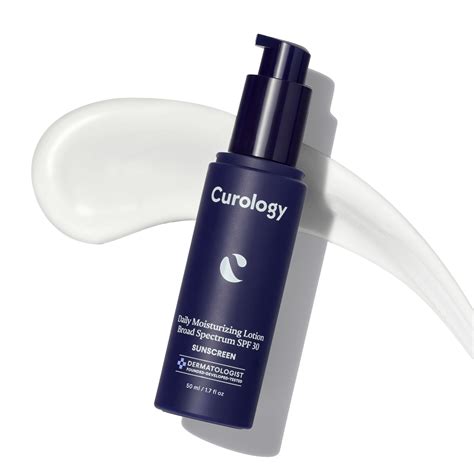
Protecting your skin from harmful UV rays is a critical step in any skincare routine. However, finding a facial sunscreen that is both effective and enjoyable to use can be a challenge, especially for those with acne-prone or oily skin. Curology's Daily Moisturizing Lotion Broad Spectrum SPF 30 aims to solve this problem, offering a dermatologist-developed formula designed to safeguard your skin while supporting a clearer complexion.

Understanding the Importance of Sunscreen
Sunscreen is an indispensable component of a healthy skincare regimen. Its primary role is to shield the skin from sun damage, which can lead to premature aging, such as fine lines and wrinkles, and more serious risks like skin cancer. Despite its importance, the habit of daily SPF application can be difficult to maintain if a sunscreen's texture is unpleasant, leading to greasiness or breakouts.
Recognizing this, Curology developed a facial sunscreen specifically formulated to be a pleasure to use, even for individuals with oily skin. This product is designed to seamlessly integrate into your existing Curology skincare routine.
Key Features of Curology's Daily Moisturizing Lotion Broad Spectrum SPF 30
Curology's Daily Moisturizing Lotion Broad Spectrum SPF 30 is engineered to be your everyday facial sunscreen. It is a chemical sunscreen utilizing a blend of active ingredients including Avobenzone, Homosalate, Octisalate, and Octocrylene. This formula serves a dual purpose as a daily moisturizer and a broad-spectrum SPF 30 protector against UV damage. Its non-comedogenic nature makes it suitable for acne-prone skin. The lotion boasts a lightweight texture that absorbs quickly, leaving no sticky or tacky residue. Each bottle contains 50 ml (1.7 fl oz) and is priced at $14 with a Curology subscription.
The creators emphasize that sunscreen is a non-negotiable product for a solid skincare routine. This dermatologist-designed formula is intended to foster better sun protection habits and help maintain skin health and appearance.
What Makes Curology's Daily Moisturizing Lotion Special?
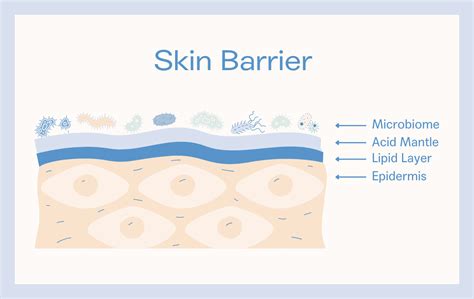
This lightweight moisturizer is enriched with beneficial ingredients. Zinc PCA and niacinamide work to control excess oil and promote clearer-looking skin. Ceramides and glycerin are included to maintain hydration and support the skin barrier without clogging pores. The Broad Spectrum SPF 30 helps protect against UV damage and is formulated to blend invisibly into all skin tones.
Key Ingredients and Their Benefits
The Daily Moisturizing Lotion is a fragrance-free sunscreen that employs chemical filters such as avobenzone, homosalate, octisalate, and octocrylene to defend against harmful UV rays. Its non-comedogenic formulation ensures it does not contain ingredients known to clog pores or worsen breakouts.
- Niacinamide: Aids in reducing redness and minimizing shine.
- Glycerin: A crucial ingredient for hydration.
How to Use Daily Moisturizing Lotion Broad Spectrum SPF 30
Sunscreen is an essential daily skincare product and should be applied each morning as part of your routine. The Daily Moisturizing Lotion absorbs rapidly without leaving a sticky feel and is designed to blend seamlessly into all skin tones without a visible white cast. For proper application, generously spread the lightweight lotion over your face and neck at least 15 minutes before sun exposure. Reapplication is recommended every two hours for continuous protection, especially during prolonged sun exposure. For swimming or heavy sweating, it is advised to use a separate water-resistant sunscreen for maximum protection. The sunscreen has a shelf life of 2 years.
Why Wearing Sunscreen is Crucial
Daily application of sunscreen is vital for optimal skin protection, even on cloudy days, when indoors, or for individuals with melanin-rich skin. A good broad-spectrum facial sunscreen not only prevents tanning and sunburn but also actively works to reduce unnoticeable sun damage, offering significant anti-aging benefits. Curology is committed to helping users achieve their long-term skin goals, with sun protection being a key strategy.
Benefits of Daily Broad-Spectrum SPF Sunscreen Wear:
- Protection Against Skin Cancer: UV radiation is a primary cause of skin cancers, including basal cell carcinoma, squamous cell carcinoma, and melanoma. While sunscreen cannot prevent all sun damage, adequate protection, including sufficient broad-spectrum sunscreen, helps lower the risk.
- Reduced Risk of Early Signs of Aging: Up to 90% of visible aging is attributed to sun damage. Broad-spectrum SPF lotions that protect against UVA and UVB rays can help mitigate early signs of aging like wrinkles, fine lines, sagging, and age spots.
- Diminished Hyperpigmentation: For individuals with dark spots from acne, sunscreen is beneficial for maintaining an even complexion. UV rays can damage melanocytes, leading to overproduction of melanin and hyperpigmentation. Using a good broad-spectrum SPF can prevent post-inflammatory hyperpigmentation from worsening over time.
It is important to remember that there is no such thing as a healthy tan. Practicing good sun protection with a broad-spectrum sunscreen is essential when outdoors.
ULTRAVIOLET RAYS | How Harmful Are UV Rays? | Ultraviolet Radiation | Dr Binocs Show | Peekaboo Kidz
The Development of Curology's Sunscreen
Finding the ideal facial sunscreen can be a difficult process, often involving issues like greasy finishes, white casts, or formulas that pill when layered. For those with acne-prone skin, the prospect of using a product that might exacerbate breakouts is particularly unappealing. However, a broad-spectrum sunscreen is a non-negotiable part of everyone's skincare routine, regardless of indoor or outdoor activity. An effective sunscreen should absorb quickly, blend seamlessly without streaks, and provide the necessary broad-spectrum SPF coverage. This protection helps guard against skin cancer, reduce early signs of aging, and minimize the risk of dark spots and hyperpigmentation, all while offering an invisible finish suitable for all skin tones and types, including sensitive, dry, and oily skin.
Sunscreen is particularly important when using skincare products with active ingredients, as some of these can increase skin sensitivity to the sun. For new Curology users, a skincare quiz and photo submission can lead to a personalized prescription formula. Curology's licensed dermatology providers are available to assist with any skincare questions.
Understanding SPF and Broad-Spectrum Protection
SPF, or "sun protection factor," indicates how quickly redness forms on sun-protected skin compared to unprotected skin. It measures a sunscreen's ability to shield against the sun's UVB rays. Dermatologists recommend a minimum of SPF 30 or higher for broad-spectrum protection.
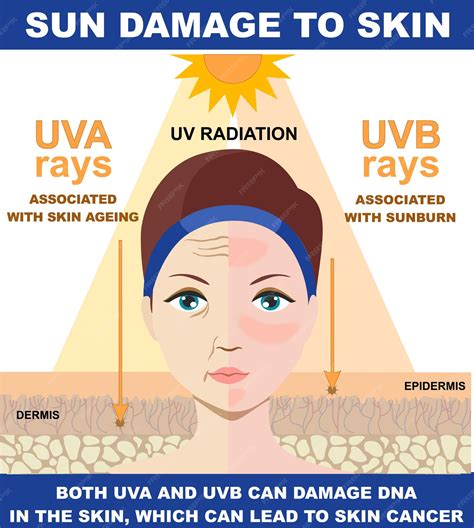
Broad-spectrum protection means the sunscreen defends against both UVA and UVB rays. These rays have different effects on the skin:
- UVA Radiation: Primarily responsible for photoaging (dark spots, wrinkles), contributes to skin cancer, penetrates clouds and glass, and affects deeper skin layers. It is a major contributor to tanning, which is a sign of sun damage.
- UVB Radiation: The main cause of redness and sunburn, contributes to skin cancer, and is largely blocked by glass.
Physical vs. Chemical Sunscreen
Sunscreens can be categorized as physical, chemical, or a combination of both, based on their ingredients. Regardless of the type, sunscreen should be applied at least 15 minutes before sun exposure to allow it to dry and form a protective barrier.
- Mineral or Physical Sunscreen: Contains titanium dioxide and/or zinc oxide. It works by physically reflecting sunlight away from the skin. Some physical sunscreens may leave a white cast unless well-rubbed in, micronized, or tinted.
- Chemical Sunscreen: Contains ingredients like avobenzone and oxybenzone. It absorbs UV light, converting it into heat that is released from the skin. Certain ingredients may cause irritation or allergic reactions in sensitive skin.
Curology's sunscreen is a grease-free, 100% mineral-based sunscreen that aims to avoid a white cast and pore-clogging. It uses zinc oxide as its active ingredient, offering SPF 30 protection specifically curated for acne-prone skin but suitable for all skin types.
Sunscreen Recommendations for Different Skin Types
The American Academy of Dermatology suggests that the best sunscreen is one that you will wear consistently. While physical sunscreens are generally suitable for all skin types, chemical sunscreens may cause irritation for some. Look for products labeled "non-comedogenic" and free of unnecessary additives. For dry or sensitive skin, sunscreens with ingredients like ceramides can provide extra hydration.
Sunscreen for Normal Skin:
Normal skin is typically characterized by a balance of oil and moisture, with no excessive dryness or oiliness and minimal reactivity. Even with "normal" skin, product choice matters. Recommended products include those that are non-comedogenic, non-irritating, and effective.
- MD SolarSciences Mineral Crème SPF 50: Lightweight with a matte finish, blurs pores and fine lines, water-resistant, physical sunscreen with zinc oxide.
- Murad City Skin Age Defense Broad Spectrum SPF 50 PA++++: Lightweight, 100% mineral sunscreen with no white cast, suitable for all skin types, evens skin tone.
- Paulaâs Choice Extra Care Non-Greasy Sunscreen SPF 50: Water-resistant, antioxidant-rich, lightweight with a matte, non-greasy finish, chemical sunscreen suitable for active use.
- Sunscreen SPF 30 by Curology: 100% mineral SPF 30, no white cast or greasiness, non-comedogenic, fragrance-free, paraben-free, curated for acne-prone skin but works for all types.
Tinted Sunscreens for Normal Skin:
Tinted sunscreens offer a two-in-one solution, acting as a lightweight foundation while providing sun protection. They can help even skin tone and reduce the appearance of redness, acne, and pores.
- Supergoop! CC Cream Daily Correct Broad Spectrum SPF 35 Sunscreen: 100% mineral-based SPF 35, corrects pigmentation, hydrates with hyaluronic acid, protects from free radical damage, provides light color coverage.
- IT Cosmetics Anti-Aging Armour Tinted Sunscreen SPF 50+: Hydrating and anti-aging formulation with peptides, niacinamide, collagen, and hyaluronic acid, suitable for all skin types, provides broad-spectrum SPF 50+ protection.
- IT Cosmetics CC+ Cream Oil-Free Matte with SPF 40: Color-correcting cream with a matte finish, contains charcoal, clay, and tea tree extract to control oil, clinically tested for shine reduction.
- IT Cosmetics Your Skin But Better CC Cream SPF 50+: Color-correcting, SPF 50+ physical sunscreen with anti-aging benefits, diffuses wrinkles, minimizes pores, provides a luminous finish.
- MyChelle Dermaceuticals Sun Shield Liquid SPF 50: Sheer tinted, weightless liquid, blends easily, 100% mineral sunscreen, mattifies skin, works as a primer.
- Paulaâs Choice Resist Super-Light Wrinkle Defense SPF 30: Lightly tinted mineral-based formula with antioxidants, silky texture, soft matte finish.
- Revision Skincare Intellishade® Original SPF 45: Anti-aging SPF protection that moisturizes, blends easily for a natural finish, sheer coverage.
- SkinCeuticals Physical Eye Uv Defense SPF 50: 100% mineral base, broad-spectrum UVA/UVB protection, non-migrating formula for eye area, sheer universal tint.
- Tarte BB Tinted Treatment 12-Hour Primer Broad Spectrum SPF 30 Sunscreen: Five-in-one vegan primer, hydrates, smooths fine lines, blurs pores, provides sheer coverage.
Sunscreen for Sports, Swimming, and Sweating:
It's important to note that no sunscreen is truly waterproof. Opt for water-resistant sunscreens and reapply according to label instructions, typically after 40 or 80 minutes of swimming or sweating, and at least every two hours.
Sunscreen Application and Reapplication Tips:
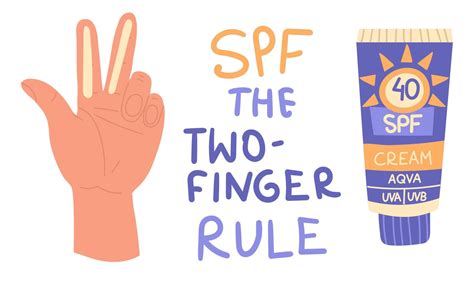
Be generous when applying sunscreen; most people do not use enough. For face and neck, use about half a teaspoon. For the body, use approximately 1 ounce (a shot glass full). Reapplication is crucial, at least every two hours, and more frequently after swimming, sweating, or towel drying. If you spend your day primarily indoors, reapplication may not be necessary unless you are near a window or go outside occasionally.
Layering Sunscreen Under and Over Makeup:
To avoid pilling when layering makeup over sunscreen, apply moisturizer or lotion first, followed by sunscreen. Allow the sunscreen to dry for a few minutes before applying makeup. For reapplying sunscreen over makeup, powder sunscreens, like Supergoop! (Re)setting 100% Mineral Powder SPF 35, are a convenient option that can also absorb oil.
Ingredient Deep Dive: Understanding Common Sunscreen Components
A closer look at various ingredients found in sunscreens can help in making informed choices:
- Water: A common base ingredient, essential for hydration.
- Dimethicone: A synthetic silicone that is unlikely to cause irritation as it is not absorbed into the skin. It may contribute to pilling when layered.
- Propylene Glycol: A humectant that helps skin retain moisture and aids in delivering active ingredients. It also has antimicrobial properties.
- C12-15 Alkyl Benzoate: An emollient and texture enhancer that helps distribute active ingredients evenly and softens the skin.
- Sorbitan Oleate Decylglucoside Crosspolymer: A nonionic solubilizer that helps blend oils into water-based formulas.
- Cetearyl Alcohol: A fatty alcohol used as an emulsifier, thickener, or emollient. It is generally non-toxic and non-irritating.
- Argan Oil: Contains antioxidants, hydrates, and soothes the skin, potentially fighting free radical damage and hyperpigmentation.
- Ammonium Acryloyldimethyltaurate/Vp Copolymer: A synthetic polymer used as a film-forming agent and thickener.
- Tocopheryl Acetate (Vitamin E): An antioxidant that protects against free radicals.
- Glycerin: A humectant that draws moisture to the skin, improving hydration and the skin barrier. It also has antimicrobial and antiviral properties.
- Squalane: An emollient that helps skin retain moisture, acts as an antioxidant, and is generally non-irritating.
- Butyrospermum Parkii Butter Extract (Shea Butter): An effective skin hydrator and emollient rich in antioxidants and fatty acids.
- Caprylyl/Capryl Glucoside & Coco-Glucoside: Cleansing and foaming ingredients derived from alcohol and sugar, or glucose and coconut oil, respectively.
- C14-22 Alcohols: Synthetic fatty alcohols that stabilize products and act as emulsifiers.
- Triethoxycaprylylsilane: A silicone used to bind and stabilize ingredients.
- Ethyl Ferulate: An antioxidant derived from ferulic acid, often found in sunscreens.
- Bisabolol: Known for its skin-soothing properties, it helps reduce inflammation and hyperpigmentation, and acts as an antioxidant.
- Sodium Chloride: Used in cleansers to create texture and as an emulsifier.
- Phospholipids: Naturally found in skin cells, they act as humectants, emollients, and antioxidants, helping to hydrate and protect the skin.
- Gluconolactone: A PHA that gently exfoliates the skin, improving texture and brightness without significant irritation. It may also help prevent UV damage.
- Benzyl Alcohol: Primarily used as a preservative, it also has a subtle scent and possesses antibacterial and antioxidant properties.
- Sodium Benzoate: A preservative used in cosmetics and food to inhibit microbial growth.
- Chlorphenesin: A synthetic preservative that protects products from bacteria and extends shelf life.
- Sorbic Acid: A common preservative used in food and cosmetics.
Curology's Sunscreen for Specific Skin Concerns
Sunscreen for Acne-Prone Skin:
Mineral (physical) sunscreens are often recommended for acne-prone skin as chemical sunscreens can sometimes cause irritation. Look for non-comedogenic products and avoid pore-clogging ingredients like coconut oil or lauric acid. Curology's Sunscreen SPF 30 is a mineral sunscreen designed to prevent breakouts and avoid a white cast, offering a grease-free, quick-absorbing lotion with a fresh finish.
Sunscreen for Oily Skin:
Lightweight lotions and oil-free formulas are ideal for oily skin. Curology's sunscreen fits this description, as do options like Supergoop! Smooth and Poreless 100% Mineral Matte Screen SPF 40 or EltaMD UV Clear SPF 46.
Sunscreen for Dry or Sensitive Skin:
For dry or sensitive skin, heavier lotions, cream-based sunscreens, or moisturizers with SPF are recommended to lock in moisture. Curology's sunscreen is noted for its non-comedogenic, mineral-based formula suitable for all skin types, including sensitive.
Sunscreen for Black and Brown Skin:
While darker skin has some natural sun protection, it is not complete. Sunscreen is still necessary. Options that are less likely to leave a white cast include EltaMD UV Clear SPF 46, Neutrogena Ultra Sheer Dry-Touch Sunscreen SPF 30, and La Roche-Posay Anthelios 50 Mineral Ultra Light Sunscreen Fluid.
Sunscreen for Sensitive Skin/Coral Reef Safety:
For those with super-sensitive skin or potential allergies to chemical sunscreens, physical sunscreens containing zinc oxide and titanium dioxide are recommended. These ingredients are also considered safer for coral reefs compared to some chemical sunscreen ingredients.
FAQs
How to choose the right sunscreen for your skin type?
Opt for physical sunscreen (mineral sunscreen) as a good option for facial sunscreen, though chemical sunscreens can also be effective. Physical sunscreens generally suit all skin types, while chemical sunscreens may irritate sensitive skin. Always look for "non-comedogenic" labels and avoid unnecessary additives. For dry or sensitive skin, choose sunscreens with hydrating ingredients like ceramides.
How to layer sunscreen under makeup?
Apply moisturizer or lotion first, then sunscreen. Allow the sunscreen to dry for a few minutes before applying makeup to prevent pilling.
How to reapply sunscreen over makeup?
Powder sunscreens offer an easy way to reapply protection throughout the day without disrupting makeup and can also help absorb excess oil.
Whatâs the difference between mineral and chemical sunscreen?
Mineral (physical) sunscreens use titanium dioxide and/or zinc oxide to reflect sunlight. They may leave a white cast. Chemical sunscreens use ingredients like avobenzone and oxybenzone to absorb UV light. They may cause irritation for some individuals.
What is the proper way to apply sunscreen?
Use about half a teaspoon for the face and neck (or follow the two-finger rule). For the body, use about 1 ounce (2 tablespoons). Sunscreen should be reapplied at least every two hours, or more often if swimming or sweating heavily.
Curology's Commitment to Skin Health
Curology offers personalized skincare routines with the help of licensed dermatology providers. They aim to help users achieve their skin goals, whether it's treating acne, hyperpigmentation, or signs of aging. Their offerings include custom formulas, moisturizers, cleansers, and their new sunscreen. Curology emphasizes evidence-based, medically fact-checked information and encourages users to consult with healthcare providers for personalized advice.