Understanding the ingredients in your skincare is crucial for making informed choices about what you apply to your skin. The M61 HydraBoost Eye Cream features a carefully selected blend of components designed to hydrate, nourish, and protect the delicate eye area. This article delves into the benefits and specific ingredients that make this eye cream effective.
The Foundation: Hydration and Moisturization
At the core of any effective skincare product, especially for the eye area, is the ability to provide deep and lasting hydration. The M61 HydraBoost Eye Cream utilizes several key ingredients renowned for their humectant and emollient properties, ensuring the skin retains moisture and remains soft.
Water: The Universal Solvent
Water is the most common ingredient in cosmetic products, typically appearing at the top of ingredient lists due to its prevalence. It serves as the base for many formulations, contributing to the overall texture and spreadability of the product.
Glycerin: A Powerful Humectant
Glycerin is a naturally occurring substance in the skin that plays a vital role in moisturization and protection. Studies have indicated its superior efficacy as a humectant compared to ingredients like AHAs and hyaluronic acid. As a humectant, it draws moisture from the environment to the skin, helping to maintain hydration. Its low molecular weight allows it to penetrate deeper skin layers, improving skin barrier function and protecting against irritants and bacteria. Glycerin also possesses antimicrobial and antiviral properties, making it beneficial in wound and burn treatments. In cosmetics, it is usually derived from plant sources like soybean or palm, though animal sources are also possible. It is an organic, colorless, odorless, and non-toxic ingredient.
Pentylene Glycol: Enhancing Texture and Hydration
Pentylene glycol is primarily used to thicken products and impart a smooth, soft, and moisturizing feel. Naturally found in plants like sugar beets, its hydrophilic nature makes it an effective humectant, drawing moisture from the air to the skin and thus aiding in hydration. It also acts as a texture enhancer and can help stabilize or thicken formulations. Furthermore, Pentylene glycol functions as a mild preservative, contributing to the product's microbial stability. However, some individuals may experience mild eye and skin irritation from this ingredient, and consultation with a professional is recommended.
Jojoba Oil: Mimicking Natural Sebum
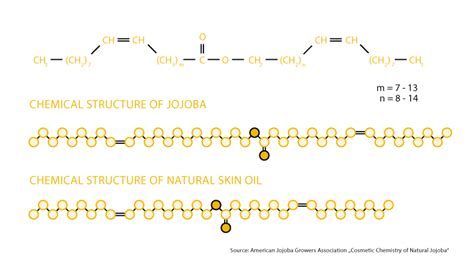
Derived from the seeds of the desert shrub Jojoba, Jojoba oil is a non-comedogenic oil that closely resembles the natural sebum produced by human skin. This similarity makes it highly compatible with the skin, particularly beneficial for dry skin types. It contains Vitamin E, a potent antioxidant that protects against oxidative damage and moisturizes the skin. Jojoba oil possesses humectant properties, attracting moisture to the skin. While it has some antibacterial properties, its fatty acid content means it may not be suitable for those with fungal acne concerns.
Squalane: Superior Moisturization and Antioxidant Protection
Squalane is an emollient that significantly helps the skin retain moisture. It is an oily liquid found in certain fish and plant oils. Squalane not only boosts skin hydration but also acts as an antioxidant, fighting free radicals and protecting against skin damage. It is derived from squalene, a natural component of skin sebum. Squalane is the hydrogenated, more stable version of squalene, offering a longer shelf life. Research indicates it is non-irritating, even at high concentrations, making it suitable for sensitive skin. The source of squalane is important for individuals concerned about fungal acne, with sugarcane-derived squalane being recommended over olive oil-derived versions due to potential impurities.
Persea Gratissima Oil (Avocado Oil): Nourishing Fatty Acids
Also known as avocado oil, this ingredient is rich in antioxidants and primarily composed of fatty acid glycerides, with oleic acid being the most abundant. Palmitic and linoleic acids are also present. These fatty acids contribute to hydrating and softening the skin and may help increase collagen content, promoting skin plumpness and firmness.
Advanced Skincare Technologies: Peptides and Antioxidants
Beyond basic hydration, the M61 HydraBoost Eye Cream incorporates advanced ingredients that target signs of aging and provide protection against environmental stressors.
Palmitoyl Tripeptide-38: Stimulating Collagen Production
Palmitoyl Tripeptide-38 is a synthetic signal peptide that mimics matrikines, naturally occurring peptides in the skin that play a role in skin repair and regeneration. By signaling the body to create more collagen, this ingredient can help improve skin roughness and tone. While further research is ongoing, studies suggest its potential in reducing the appearance of visible photoaging.
Tocopherol (Vitamin E): Antioxidant Defense and Barrier Support
Tocopherol, commonly known as Vitamin E, is a vital antioxidant that protects the skin from free radicals and strengthens the skin barrier. Being fat-soluble, it is readily absorbed by the skin and helps maintain healthy skin lipids. Vitamin E offers additional protection for the skin's lipid barrier, keeping it nourished. It also provides a degree of UV protection, reducing damage from UVB rays, though it should not replace sunscreen. Its ability to stabilize Vitamin C makes them a powerful duo for enhancing overall skin protection and reducing hyperpigmentation.
Panthenol: Hydration, Soothing, and Wound Healing
Panthenol is a popular ingredient known for its hydrating and soothing properties, naturally found in the skin and hair. It functions as a humectant, binding and holding water to keep the skin hydrated, similar to hyaluronic acid. Panthenol is also beneficial for wound healing, promoting tissue regeneration. Once oxidized, it converts to pantothenic acid.
Sodium Hyaluronate: Deep Hydration
Sodium Hyaluronate is the salt form of hyaluronic acid, renowned for its exceptional ability to hold water. As a humectant, it effectively draws moisture to the skin, contributing to overall hydration.
Soothing and Protective Botanicals
The inclusion of botanical extracts further enhances the eye cream's ability to calm, protect, and condition the delicate skin around the eyes.
Aloe Barbadensis Leaf Juice Powder: Calming and Moisturizing
Derived from the aloe plant, this ingredient is well-known for its sunburn-relieving and anti-inflammatory properties. It contains components that reduce irritation and itchiness. Aloe leaves are also effective moisturizers due to their rich polysaccharide content, which helps mimic the skin's natural carbohydrates and maintain hydration. It also provides antioxidants like Vitamins A, C, and E, which neutralize free radicals.
Centella Asiatica Leaf Extract: Soothing and Anti-Aging
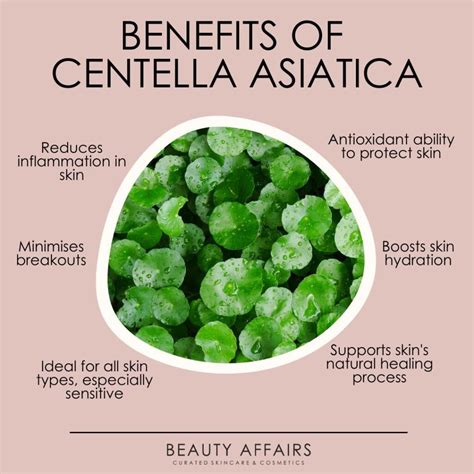
Extracted from an herb native to Southeast Asia, Centella Asiatica Leaf Extract is rich in antioxidants and amino acids that help reduce irritation and soothe the skin. Active components like Madecassic Acid and Asiaticoside stimulate the skin's natural production of hyaluronic acid, aiding in hydration. Many of these components also exhibit antioxidant activity, potentially reducing signs of aging. Research suggests it can boost Type I collagen production by increasing fibroblast activity, further contributing to skin firmness and repair. While recent studies indicate potential UV damage prevention, further research is needed.
Glycine Soja Protein: Conditioning and Emulsifying
This protein, derived from soybeans, acts as an emulsifier, preventing the separation of oil and water ingredients in the formulation, and also conditions the skin.
Dioscorea Villosa Root Extract (Wild Yam Root): Skin Conditioning and Renewal
The extract from Wild Yam Root offers soothing and skin-conditioning properties. It contains diosgenin, a plant steroid that emerging studies suggest may encourage skin cell turnover, potentially aiding in the reduction of aging signs. Research is also exploring its potential to protect skin against UV damage, though more evidence is required.
Carica Papaya Fruit Extract: Exfoliation and Antioxidant Boost
Extracted from the papaya fruit, this ingredient contains enzymes like papain and chymopapain, which offer exfoliating and anti-inflammatory benefits. Papain may help reduce scarring. Papaya is also a rich source of antioxidants, including lycopene, and contains Vitamin A (retinol). While research on its skin-lightening effects is limited, the seeds have demonstrated anti-fungal activity.
Hamamelis Virginiana Water (Witch Hazel Water): Astringent and Anti-inflammatory
This ingredient, obtained by distilling parts of the witch hazel plant, acts as an astringent, anti-inflammatory, antioxidant, and antibacterial agent. Its tannins have a drying effect and can minimize the appearance of pores. Witch hazel water derives its anti-inflammatory and antibacterial properties from catechin and gallic acid. It's important to note that witch hazel ingredients, unless specified as alcohol-free, are often distilled in denatured alcohol, and both tannins and fragrance can be sensitizing for some individuals.
Sodium PCA: Natural Moisturizing Factor
Sodium PCA is a component of the skin's natural moisturizing factors, crucial for maintaining hydration. It functions as a humectant, drawing moisture from the air to keep the skin moisturized, and also possesses skin-conditioning and anti-inflammatory properties.
pH Adjustment and Gentle Exfoliation
The formulation also includes ingredients that help maintain the product's stability and offer subtle skin benefits.
Citric Acid: pH Adjuster and Mild Exfoliant
Citric Acid, an alpha hydroxy acid (AHA) found in citrus fruits, can exfoliate the skin by breaking down the bonds holding dead skin cells together, revealing brighter skin. However, this effect typically occurs at higher concentrations. In cosmetic formulations, it is usually present in smaller amounts as a pH adjuster, ensuring the product's acidity is compatible with the skin's natural pH. While it offers some skin benefits, research suggests lactic and glycolic acids are generally more effective and less irritating exfoliants.
Fructose and Glucose: Hydrating Sugars
These simple sugars, found in fruits and plants, act as humectants. They help draw moisture from the air and deeper skin layers, contributing to skin hydration.
Water Molecules - part 1
tags: #m61 #hydraboost #eye #cream