If over-the-counter (nonprescription) acne products have not yielded results after several weeks of use, consult your doctor about prescription-strength medications. Acne medications function by reducing oil production and swelling, or by treating bacterial infections. It is important to note that with most prescription acne drugs, visible results may take four to eight weeks to appear. The treatment regimen your doctor recommends will be tailored to your age, the type and severity of your acne, and your willingness to adhere to the treatment plan. For instance, you might be required to wash and apply medications to the affected skin twice daily for several weeks. Topical medications and oral medications are frequently used in combination. It is advisable to discuss the risks and benefits of any medications or other treatments you are considering with your doctor.
Prescription Topical Medications
Retinoids and Retinoid-like Drugs
Drugs containing retinoic acids or tretinoin are often beneficial for moderate acne and are available as creams, gels, and lotions. Examples include tretinoin (Avita, Retin-A, others), adapalene (Differin), and tazarotene (Tazorac, Avage, others). These medications are typically applied in the evening, initially three times a week, and then daily as the skin becomes accustomed to them. They work by preventing the plugging of hair follicles. It's important to be aware that topical retinoids can increase your skin's sensitivity to the sun and may cause dryness and redness, particularly in individuals with brown or Black skin.
Antibiotics
Topical antibiotics are effective in killing excess skin bacteria and reducing redness and inflammation. During the initial months of treatment, a combination of a retinoid and an antibiotic might be used, with the antibiotic applied in the morning and the retinoid in the evening. To minimize the risk of developing antibiotic resistance, these antibiotics are often combined with benzoyl peroxide. Examples of such combinations include clindamycin with benzoyl peroxide (Benzaclin, Duac, others) and erythromycin with benzoyl peroxide (Benzamycin).
Azelaic Acid and Salicylic Acid
Azelaic acid, a naturally occurring acid produced by yeast, possesses antibacterial properties. A 20% azelaic acid cream or gel has demonstrated effectiveness comparable to many conventional acne treatments when used twice daily. Prescription azelaic acid (Azelex, Finacea) is a safe option during pregnancy and while breastfeeding and can also help manage discoloration associated with certain types of acne. Salicylic acid may aid in preventing plugged hair follicles and is available in both wash-off and leave-on formulations, though studies on its effectiveness are limited.
Dapsone
Dapsone (Aczone) 5% gel, applied twice daily, is recommended for inflammatory acne, especially in women. It is a topical treatment that helps to kill bacteria on the skin and reduce inflammation.
Oral Medications
Antibiotics
For moderate to severe acne, oral antibiotics may be necessary to reduce bacteria. Tetracyclines (minocycline, doxycycline) or macrolides (erythromycin, azithromycin) are typically the first choices for treating acne. Oral antibiotics should be used for the shortest duration possible to prevent antibiotic resistance. Severe side effects from oral antibiotics used to treat acne are uncommon.
Combined Oral Contraceptives
Four combined oral contraceptives have been approved by the FDA for acne therapy in women who also desire them for contraception. These products combine progestin and estrogen (e.g., Ortho Tri-Cyclen 21, Yaz). Common side effects associated with combined oral contraceptives include weight gain, breast tenderness, and nausea.
Anti-androgen Agents
The drug spironolactone (Aldactone) may be considered for women and adolescent girls when oral antibiotics are not effective. It functions by blocking the effect of androgen hormones on the oil-producing glands.
Isotretinoin
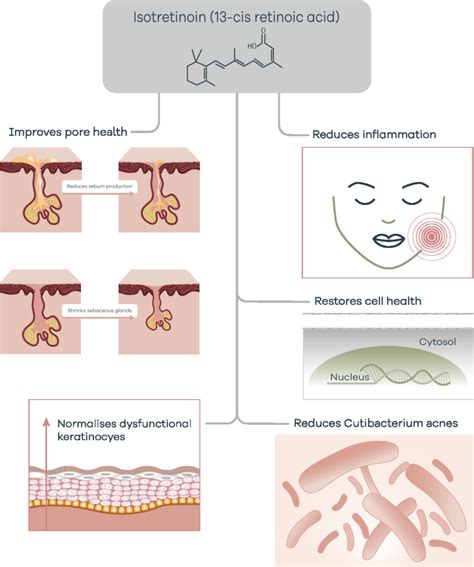
Isotretinoin (Amnesteem, Claravis, others) is a derivative of vitamin A used to treat severe acne. Potential side effects of oral isotretinoin include inflammatory bowel disease, depression, and severe birth defects. All individuals receiving isotretinoin must participate in an FDA-approved risk management program.
Other Treatment Modalities
Light Therapy
A variety of light-based therapies have been explored with some success in treating acne. Most of these treatments will require multiple visits to a doctor's office.
Chemical Peels
This procedure involves repeated applications of a chemical solution, such as salicylic acid, glycolic acid, or retinoic acid, and is generally used for mild acne.
Drainage and Extraction
Your doctor may use specialized tools to gently remove whiteheads, blackheads (comedones), or cysts that have not responded to topical medications. This procedure involves sterilizing the treatment area and then using sterilized tools to carefully extract the contents of the lesion. Proper technique is crucial to prevent infection and scarring.
Steroid Injection
Nodular and cystic lesions can be effectively treated by injecting a steroid drug directly into them, which often leads to rapid improvement and reduced pain.
Treating Children with Acne
Most studies on acne medications have involved individuals aged 12 and older. However, acne is increasingly affecting younger children. The FDA has approved an expanded range of topical products for use in children. If your child has acne, consulting a pediatric dermatologist is recommended.
Home Remedies and Self-Care
Tea Tree Oil
Gels containing at least 5% tea tree oil may be as effective as lotions with 5% benzoyl peroxide, although tea tree oil might work more slowly. It possesses antibacterial properties that can help prevent or stop the growth of bacteria. A small amount can be applied to pimples using a cotton applicator.
Brewer's Yeast
A strain of brewer's yeast called Hansen CBS has shown potential in decreasing acne when taken orally. However, more research is needed to confirm its effectiveness and long-term safety.
Gentle Cleansing
Wash affected areas with a gentle cleanser twice a day using mild soap or a gentle cleanser (e.g., Cetaphil, Vanicream) and warm water. Avoid harsh products like facial scrubs, astringents, and masks, as they can irritate the skin and worsen acne.
Over-the-Counter Acne Products
Products containing benzoyl peroxide, adapalene, or salicylic acid can help dry excess oil and promote peeling. Creams are generally less irritating than gels or ointments.
Avoid Irritants
Oily or greasy cosmetics, sunscreens, hairstyling products, or acne concealers can exacerbate acne. It's important to choose non-comedogenic products.
Sun Protection
Some individuals find that sun exposure worsens acne discoloration, and certain acne medications increase sun sensitivity. If your medication makes you more susceptible to sunburn, minimize sun exposure and wear protective clothing.
Avoid Friction and Pressure
Refrain from touching or picking at acne-prone areas. Shower immediately after strenuous physical activities to remove sweat and oil.
Professional Facial Treatments for Acne
While it can be challenging to live with acne-prone skin, professional treatments tailored to your specific needs can significantly improve your complexion. Specialized facials designed for acne-prone skin can be highly beneficial when performed by trained professionals.
HydraFacial
HydraFacial is a popular treatment for overall skin rejuvenation and is also effective for acne-prone skin. It involves thorough cleansing and resurfacing of the facial skin. A key aspect of this treatment is its pore extraction process, where a unique vortex fusion system suctions out oil, dirt, and dead cells, making it less likely for acne to develop.
Medical Facials
Medical Facials involve treating the facial skin with professional skincare tools and specialized, medical-grade skincare products. These facials are customized to each patient's needs and utilize powerful products to clean, hydrate, and smooth the skin, removing elements that contribute to acne breakouts.
LED Facial
The LED Facial utilizes a combination of white, red, and blue infrared light to target skin tone, collagen, and bacteria. This treatment improves overall skin health and complexion, reducing the likelihood of new acne breakouts.
Decongesting Facial
This treatment primarily focuses on unclogging pores, which can become breeding grounds for acne-causing bacteria when filled with oil, dirt, and bacteria. By clearing congested pores, this facial removes key elements necessary for acne development.
Acne Facials vs. Basic Facials
Acne facials differ fundamentally from basic facials in their ingredients and techniques. They carefully select anti-bacterial and anti-inflammatory components to target the root causes of acne without irritating sensitive skin. Extraction techniques used for acne-prone skin require specialized training to prevent spreading bacteria or causing additional inflammation. Basic facials often use hydrating and soothing products that might be too heavy or comedogenic for acne-prone skin. Extraction techniques also differ significantly; basic facials may include light extractions of surface-level comedones but generally avoid inflamed or deep-seated acne lesions. Acne facials may also incorporate blue light therapy, which targets and destroys acne-causing bacteria.
Key Steps in an Acne Facial
- Deep Cleansing: The skin is cleansed twice to remove all traces of oil, dirt, and debris.
- Exfoliation: Chemical exfoliation, using acne-fighting acids, is often preferred over physical exfoliation to stimulate shedding of dead skin cells and prevent pore congestion.
- Extraction: This process involves clearing compacted or clogged pores. Expert estheticians use sterile tools and specific techniques to remove whiteheads and blackheads, avoiding improper home extractions that can lead to scarring or worsened breakouts.
- Hydration: Adequate hydration soothes irritation, prevents excess oil production, and keeps the skin toned and rejuvenated.
- LED Light Therapy: This therapy uses different wavelengths of light to address various skin concerns. Blue light targets acne-causing bacteria, red light activates cell repair, green light calms irritation, and yellow light helps reduce dark spots and hyperpigmentation.
10-Step Facial | Step By Step Procedure Tutorial |Facial & Skincare Course | Level 2 VTCT Accredited
Understanding Acne Treatments
Topical Therapy
Topical therapy includes gels or creams designed to fight acne, containing ingredients such as benzoyl peroxide, sulfur, salicylic acid, or resorcinol. The most common side effects are skin dryness and irritation, which are usually temporary. More severe side effects, such as allergies, can manifest as burns, severe peeling, or intense itchiness.
Systemic Therapy
Systemic therapy refers to orally taken acne medication, typically containing antibiotics like minocycline, erythromycin, tetracycline, or doxycycline, to treat severe acne by eliminating bacteria. Oral contraceptives and hormonal treatments like spironolactone (which reduces the hormone androgen) can also help reduce acne in some women. Isotretinoin, a high-dose prescription of Vitamin A, is used for severe cystic acne when other treatments fail. The procedures for systemic acne therapy vary based on the medication, including dosage and duration. Isotretinoin can cause severe side effects such as depression, suicidal thoughts, and affect liver function and cholesterol levels.
Drainage and Extraction
This manual acne treatment involves draining large cysts of fluids, dirt, pus, and dead skin cells. A professional sterilizes the treatment site and uses sterilized tools to make small incisions and clean the area to prevent infection. Improper drainage and extraction increase the risk of side effects.
Laser Therapy
Laser therapy uses various light frequencies to influence skin cells. Procedures typically involve cleaning the treatment site and applying a topical gel. Common side effects include dryness and redness.
Pimple Management and Prevention
How Long Do Pimples Last?
Pimples typically last between three and seven days and often resolve on their own. Deep pimples, which are hard to the touch and lack a visible head, may take several weeks to disappear. It is advisable to consult a healthcare provider at the first sign of pimples for appropriate treatment suggestions.
Diet and Acne
While research on the link between diet and acne is not conclusive, certain vitamins promote healthy skin and may help prevent pimples. These include Vitamin A (found in leafy green vegetables, orange and yellow vegetables, tomatoes, fruits, fish, and liver), Vitamin D (found in fatty fish and fortified foods), and Vitamin E (found in nuts, seeds, leafy green vegetables, and vegetable oils).
Managing Pimples
To manage pimples and avoid irritation:
- Do not touch or pick at your pimples.
- Be careful when shaving around pimples.
- Regularly clean items that come into contact with your face, such as cell phones, sports helmets, sunglasses, clothing, and pillowcases.
Nonprescription Medications for Pimples
Over-the-counter medications can effectively treat milder cases of pimples. These include:
- Azelaic acid: A natural acid found in grains like barley, wheat, and rye, it kills microorganisms on the skin and reduces swelling.
- Benzoyl peroxide: Available in products like Clearasil®, Stridex®, and PanOxyl®. Lower concentrations and wash formulations are less irritating. Common side effects include dryness and peeling.
- Retinoids (vitamin A derivatives): Such as Retin-A®, Tazorac®, and Differin®, these help prevent clogged pores. Side effects like skin color changes or peeling can occur. Using them every other day or with a moisturizer can reduce these effects.
- Salicylic acid: Available as a cleanser or lotion, it helps dissolve dead skin cells to prevent hair follicle clogging.
Prescription Medications and Other Therapies
If pimples do not improve with nonprescription medications, a healthcare provider may recommend prescription medications, including antibiotics and oral hormone replacement. Other therapies may include chemical peels, laser skin resurfacing, and microdermabrasion. It is important to consult a healthcare provider before trying these, as they can be irritating and worsen acne.
Home Remedies for Pimples
Several home remedies may help treat pimples, although it's advisable to check with a healthcare provider before trying them to rule out allergic reactions:
- Tea tree oil: Apply a small amount to pimples to prevent or stop bacterial growth.
- Sugar or salt scrubs: Exfoliate dead cells by massaging into the skin in small, circular motions.
- Green tea: Wet green tea leaves can help reduce oil production and act as an antioxidant.
- Warm compress: Applying a warm compress increases blood flow, aiding faster healing.
- Ice: Applying ice slows blood flow, reducing inflammation and pain.
The Dangers of Popping Pimples
Popping pimples is strongly discouraged as it can introduce bacteria, leading to infection; irritate the skin, causing inflammation; and result in scarring. Pimple-popping tools can also damage the skin and should only be used by trained professionals.