Candida albicans, commonly known as Candida, is a fungus responsible for various yeast infections. Researchers have discovered that this fungus requires oxygen to grow, a critical factor influencing its colonization within the gut. While typically treated with topical or oral antifungal medications that generally have minimal side effects, C. albicans can pose a severe threat when the body's immune system is compromised, such as during cancer treatment or chemotherapy. In such cases, the fungus can proliferate beyond the colon and disseminate throughout the body, leading to invasive candidiasis.
Invasive candidiasis is a life-threatening infection with a mortality rate approaching 50%, even with optimal treatment. Patients undergoing treatment for leukemia and other blood cancers often require antibiotics, which can disrupt the delicate balance of the gut's microbial community. This disruption can lead to a reduction in Clostridia, a group of bacteria crucial for maintaining resistance to fungal colonization in the gut. According to Andreas Bäumler, the study's lead author, a significant bloom of C. albicans in the gut during antibiotic therapy is the most frequent cause of candidemia in individuals treated for blood cancers.
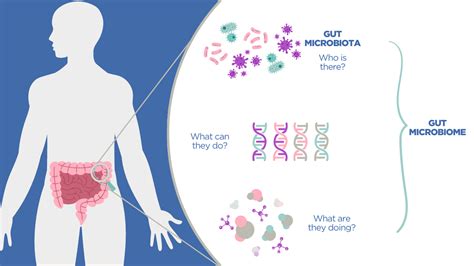
Understanding Candida Colonization and the Role of Gut Microbiota
Bäumler and his team aimed to elucidate the factors contributing to antibiotic-induced colonization by C. albicans. Their initial experiments involved colonizing germ-free mice with Candida to observe its growth patterns and identify its nutritional requirements. They found that Candida thrives on simple sugars, similar to those abundant in high-sugar diets. Subsequent tests in a petri dish revealed that Candida did not grow in a low-oxygen environment, characteristic of a healthy gut, despite the presence of sugars.
A series of experiments demonstrated that antibiotic use significantly reduces Clostridia levels in the gut. Conversely, administering probiotics, such as Clostridia, to mice effectively prevented the growth of C. albicans. However, a significant challenge remains: probiotics themselves can be susceptible to destruction by antibiotics and cancer therapies. Bäumler noted that probiotics are often not suitable for patients at the highest risk of invasive candidiasis.
Exploring Safer Strategies: 5-ASA and Oxygen Deprivation
To address the limitations of probiotics, the researchers investigated 5-aminosalicylic acid (5-ASA), also known as mesalamine, as a potentially safer alternative for controlling C. albicans in the gut. 5-ASA is an anti-inflammatory drug. In studies involving mice treated with antibiotics, 5-ASA demonstrated the ability to mimic the function of probiotics by limiting oxygen availability in the colon, thereby inhibiting C. albicans proliferation.
Bäumler suggested that limiting oxygen in the gut by replicating the function of beneficial bacteria could represent a novel strategy for reducing invasive candidiasis. This research opens up new therapeutic avenues for potentially fatal fungal infections, particularly for vulnerable cancer patients.
The Synergy of Probiotics and Antifungals in Candida Treatment
The management of yeast overgrowth, such as that caused by Candida, often involves a dual approach: eliminating the yeast and restoring healthy gut bacteria. Dietary interventions, like low-sugar anti-Candida diets, and natural antifungals work to deprive yeast of its food sources and directly target Candida cells. Concurrently, probiotics are employed to replenish the gut with beneficial bacteria.
A common point of confusion arises from the notion that probiotics and antifungals should not be taken together, primarily due to the antibacterial properties of some antifungal treatments. However, current understanding suggests that combining probiotics and natural antifungals is not only possible but essential for an effective Candida treatment plan.
Probiotics Enhance Antifungal Efficacy
Research indicates that the combination of probiotics and antifungals is a potent strategy for re-establishing beneficial bacteria and suppressing harmful fungi in the gut. Studies published in journals like *Digestive and Liver Disease* have shown that antifungals can control yeast and fungal overgrowth by breaking down biofilms, while probiotics help restore and maintain the balance of gut flora, particularly in individuals with inflammatory bowel diseases (IBD).
Interestingly, in families with IBD, there is a tendency for members to experience both yeast overgrowth and bacterial imbalances, leading to the formation of robust biofilms that exacerbate intestinal inflammation. The synergistic action of probiotics and antifungals can counteract these detrimental effects.
Mitigating Side Effects and Supporting Digestion
An additional benefit of taking probiotics alongside antifungals is their role in supporting normal digestive processes. During Candida treatment, particularly with yeast die-off, individuals may experience digestive discomforts such as bloating, gas, and indigestion. These symptoms can arise as the dying yeast releases toxins. Quality probiotic supplements can help alleviate these issues by aiding in food breakdown and nutrient absorption, thereby easing discomfort and reducing symptoms like bloating and diarrhea.
Furthermore, probiotics bolster the immune system, which is crucial as the body combats Candida yeast. With a significant portion of immune cells residing in the gut, supporting this area is paramount.
Antifungals vs. Antibiotics and Probiotic Efficacy
It is important to distinguish between antifungals, which target yeast and fungal overgrowth, and antibiotics, which target bacteria. While some natural antifungals, like garlic and caprylic acid, possess antibacterial properties, studies suggest that taking probiotics concurrently with both antifungals and antibiotics is not only possible but beneficial.
Antibacterial treatments can lead to digestive issues, including diarrhea, affecting approximately one in three patients. Probiotics have demonstrated efficacy in preventing these symptoms. A review of 63 randomized trials published in the *Journal of the American Medical Association* found that individuals taking antibiotics and probiotics were 42% less likely to develop diarrhea. The study also indicated a 66% reduction in cases of C. difficile-associated diarrhea among those taking probiotics.
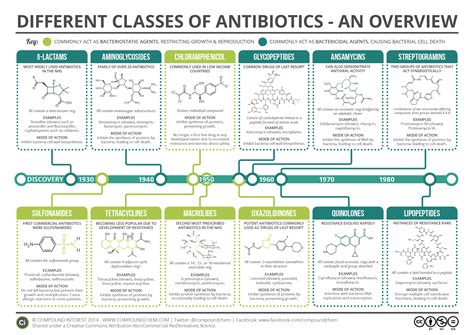
By restoring a natural balance in the gut, probiotics can help mitigate the side effects of both antibiotics and antifungals that have antibacterial properties.
Optimizing Probiotic and Antifungal Therapy
To maximize the benefits of combining probiotics and antifungals during Candida treatment, several strategies are recommended:
1. Selecting High-Quality Probiotics
Choosing a high-quality probiotic supplement is crucial. Look for products containing multiple probiotic strains and a high CFU (colony-forming bacteria) count. The delivery system is also vital; time-release tablets are preferable to standard capsules, as they help protect the bacteria from stomach acid, ensuring more reach the gut.
2. Utilizing a Range of Antifungals
Employing a variety of natural antifungals simultaneously, rather than rotating them, can reduce the risk of the yeast developing resistance to any single agent. Effective natural antifungals include caprylic acid, berberine, undecylenic acid, and garlic extract.
3. Timing of Administration
While probiotics and antifungals can be taken together, administering them at different times of the day may prevent any potential antibacterial properties of antifungals from negatively impacting the probiotics. For instance, taking antifungals with breakfast and probiotics with dinner, or ensuring at least a one to two-hour gap between doses, can be beneficial.
4. Gradual Introduction of Supplements
Introducing significant changes to a diet or supplement regimen gradually is advisable. Taking probiotics and antifungals simultaneously can potentially lead to intensified Candida die-off symptoms. It is often recommended to start with probiotics, wait at least a week, and then introduce antifungal supplements. This approach supports gut health and combats Candida while minimizing the risk of severe die-off reactions.
The Growing Challenge of Invasive Fungal Infections
Invasive fungal infections (IFIs) represent an escalating global health concern. Fungi have evolved enhanced defense mechanisms and increased resistance to antimicrobial drugs, posing significant challenges to public health. The morbidity and mortality rates associated with IFIs are gradually increasing, driven by factors such as the growing population of immunocompromised individuals due to organ transplantation, cancer treatments, and HIV/AIDS. Common clinical pathogens include Candida albicans, Aspergillus fumigatus, and Cryptococcus neoformans.
IFI are often difficult to treat and prone to relapse, leading to over 1.5 million deaths annually worldwide. Beyond direct infections, fungal dysbiosis in the gut has been linked to various metabolic and intestinal disorders, including certain cancers and inflammatory conditions like IBD and IBS.
Limitations of Current Antifungal Therapies
The arsenal of effective antifungal drugs is limited, and existing options face challenges:
- Amphotericin B: While effective, its high toxicity, causing side effects like fever, heart inflammation, and kidney problems, restricts its clinical use.
- Azoles: These drugs inhibit ergosterol synthesis but can interact with liver enzymes involved in drug metabolism and may cause liver toxicity, especially when combined with other medications. Widespread agricultural use has also contributed to the development of azole resistance.
- Echinocandins: These target fungal cell wall biosynthesis but require daily administration, have low bioavailability, and can cause ocular toxicity. Furthermore, echinoderm-resistant Candida species have emerged.
The increasing prevalence of antifungal resistance is further compounded by the emergence of multidrug-resistant fungal strains, such as Candida auris, which can be resistant to multiple classes of antifungal drugs.
Pharmacology – ANTIFUNGAL DRUGS (MADE EASY)
The Role of the Gut Microbiome in Antifungal Defense
The mammalian gut harbors a vast and diverse ecosystem of microorganisms, collectively known as the microbiome. This intricate community plays a vital role in host health, including metabolizing nutrients, regulating the immune system, and preventing the colonization of pathogens. Disruption of this delicate balance, often caused by antibiotic use, can render the host susceptible to opportunistic infections.
Research highlights a symbiotic relationship between fungi and bacteria within the host. Probiotics and certain intestinal commensal bacteria have demonstrated the ability to inhibit the invasion and colonization of fungi, such as C. albicans. Mechanisms include targeting fungal virulence factors, interfering with quorum sensing systems, secreting active metabolites, and modulating the host's anti-fungal immune response. This underscores the potential of probiotics as a valuable strategy in managing fungal infections.
Probiotics as a Promising Alternative
Probiotics, defined as live microorganisms that confer health benefits when administered in adequate amounts, offer a promising avenue for managing candidiasis. Studies, including meta-analyses of randomized controlled trials, suggest that adding probiotics, particularly Lactobacillus species, to antifungal therapy can improve short-term cure rates and reduce relapse rates for vulvovaginal candidiasis.
In cases of recurrent vulvovaginal candidiasis, probiotics may also enhance long-term cure rates. Clinical trials have indicated that probiotics can reduce oral, vaginal, and enteric colonization by Candida, alleviate symptoms, and, in some instances, lower the incidence of invasive fungal infections in critically ill patients. Consequently, probiotics are increasingly viewed as a valuable ally in combating chronic mucosal candidal infections.

tags: #probiotics #and #antifungals