Rashes are common skin reactions, and most are harmless, improving with simple care. However, a persistent rash that doesn't go away could indicate a more serious underlying cause, such as a chronic skin condition like eczema or psoriasis. Ignoring such signs can lead to worsening symptoms and an increased risk of skin infections. Consulting a dermatologist is crucial for an accurate diagnosis and timely treatment to prevent long-term skin damage.
When to Seek Medical Attention for a Rash
While mild rashes caused by irritation, allergies, or heat often clear up within a week or two with basic care, persistent or recurring red, inflamed bumps may signal a chronic condition. It is advisable to seek medical attention if a rash:
- Has persisted beyond two weeks.
- Is spreading or worsening.
- Is accompanied by pain, itching, and open sores.
- Features scaly patches that do not improve with home treatments.
An untreated persistent rash can lead to lasting changes in skin texture and appearance and significantly increases the risk of infection.
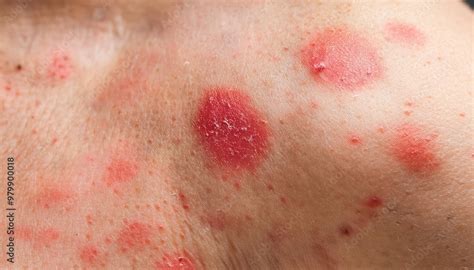
Psoriasis: Causes, Symptoms, and Complications
Psoriasis is a chronic autoimmune condition characterized by an accelerated skin cell cycle, leading to an excessive buildup of skin cells on the surface. Normally, skin renews itself every 28-40 days, but in psoriasis, this process is significantly sped up, often due to an overactive immune system. Unlike a typical rash, psoriasis is chronic and tends to flare up in cycles.
Symptoms of Psoriasis Rash
Symptoms of a psoriasis rash include:
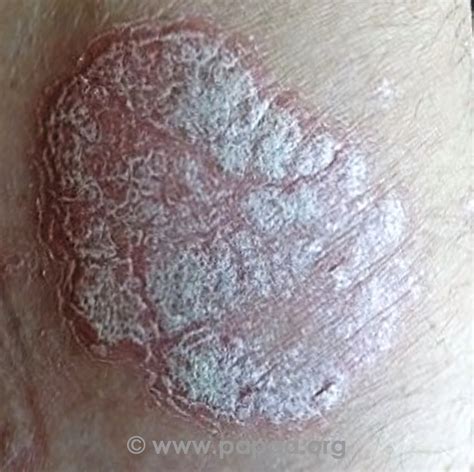
- Thick, raised patches of inflamed or red skin.
- These patches are covered with silvery-white scales.
- Commonly found on the scalp, knees, elbows, and lower back.
- Can be itchy, painful, and may even crack or bleed.
Psoriasis Triggers and Risk Factors
Flare-up triggers for psoriasis can include:
- Stress.
- Infections.
- Skin injuries (e.g., cuts, scrapes, surgery).
- Cold weather.
- Certain medications (e.g., lithium, beta-blockers).
Individuals with a family history of psoriasis or other autoimmune diseases are at a higher risk. Psoriasis is not contagious.
Complications of Untreated Psoriasis
Without effective treatment, psoriasis can lead to complications such as:
- Psoriatic arthritis.
- Eye conditions.
- Type 2 diabetes.
Eczema (Atopic Dermatitis): Symptoms and Triggers
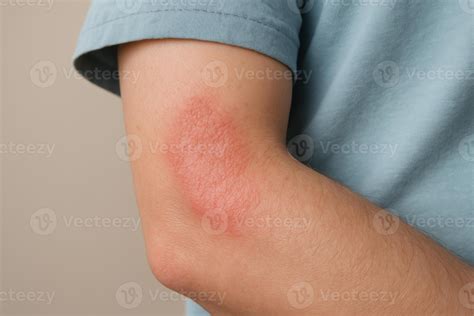
Eczema, also known as atopic dermatitis, is another chronic skin condition that typically presents with recurring flares. It is characterized by itchy and inflamed patches of skin that can appear red, dry, and sometimes ooze fluid, forming a crust.
Symptoms of Eczema Rash
Key symptoms of eczema rash include:
- Itchy and inflamed patches of skin.
- Red and dry appearance.
- Potential for oozing fluid and crusting.
- Commonly affects the face, hands, neck, elbows, and behind the knees, but can appear anywhere on the body.
The exact cause of eczema is unclear, but it is linked to an overactive immune system response and common triggers like irritants or allergens. Dry skin is a hallmark symptom, leading to itchiness and flaky skin. If left untreated, eczema can progress into chronic skin inflammation and infection.
Types of Eczema
Eczema manifests in various forms:
- Atopic dermatitis: Red, itchy, or scaly rash, common behind the knees or on arms.
- Contact eczema (dermatitis): Rash caused by direct contact with irritants.
- Baby eczema: Affects infants, creating dry, itchy, and sensitive skin.
- Dyshidrotic eczema: Small, itchy, fluid-filled blisters on palms, fingers, or soles of feet.
Psoriasis vs. Eczema: Key Differences
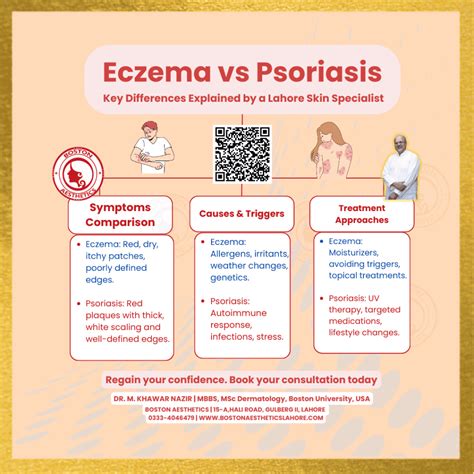
While both psoriasis and eczema can cause dry, red, and itchy skin, several key differences aid in diagnosis and treatment:
| Feature | Eczema (Atopic Dermatitis) | Psoriasis |
|---|---|---|
| Appearance | Red, inflamed, dry patches that may ooze, crust, or become rough and thick. Borders are often ill-defined. | Raised, well-defined plaques with thick, silvery-white scales. Borders are typically sharp. |
| Sensation | Intensely itchy ("the itch that rashes"). Can sting or burn. | May sting or burn; itching can vary, sometimes absent. |
| Location | Favors flexural areas (inside elbows, back of knees), neck, wrists, ankles. | Favors extensor surfaces (outside elbows and knees), scalp, groin, genital region, hands, feet. |
| Trigger Patterns | Flares triggered by allergens, irritants, stress, weather changes, soaps. | Cyclical flares often linked to stress, infections, cold weather, skin injury, certain medications. |
| Age of Onset | Common in childhood; may improve with age but can persist. | Can develop at any age, with peaks in young adulthood and middle age. |
| Associated Conditions | Linked to asthma, hay fever (the "atopic triad"). | Associated with psoriatic arthritis, metabolic syndrome, cardiovascular disease. |
Dermatologist Treatments for Chronic Rashes
A dermatologist can recommend effective treatment solutions to manage inflammation and reduce flare-ups for chronic rashes like psoriasis and eczema. Treatments may include:
Topical Medications
Prescription-strength creams, gels, or ointments, such as topical corticosteroids or immunosuppressant creams, can control itching and inflammation, often providing relief within days to weeks.
Light Therapy (Phototherapy)
This non-invasive treatment involves exposing the skin to controlled doses of UV light to reduce inflammation and slow excessive cell growth. Improvement can often be seen after a few weeks of consistent sessions.
Oral or Biologic Treatments
For severe and widespread rashes, oral or injectable medications (biologics) are highly effective. These treatments target specific inflammatory pathways in the immune system and may take several weeks to months to show significant changes. Examples include secukinumab (Cosentyx), dupilumab (Dupixent), and tralokinumab (Adbry).
Lifestyle and Trigger Management
Lifestyle strategies are often combined with medical treatments for optimal results. These include:
- Adopting healthy eating habits.
- Engaging in regular exercise.
- Ensuring sufficient sleep.
- Identifying and avoiding personal triggers (e.g., certain soaps, fragrances, stress).
Eczema, Animation.
When to Consult a Dermatologist
Ignoring a persistent rash can transform a minor skin issue into a chronic condition that is more challenging to treat. It is essential to consult a dermatologist if you observe any of the following signs:
- The rash has persisted for more than two weeks.
- The inflammation has spread to other parts of the body.
- The rash has developed into blisters with pus, indicating a potential infection.
- Intense itchiness is interfering with sleep.
- The affected area is painful.
- There is fluid leaking from the rash.
- Systemic symptoms like fever and fatigue accompany the rash.
During your consultation, be prepared to provide details about the rash's duration, any treatments tried, and whether symptoms change with the seasons. This information will aid the dermatologist in making an accurate diagnosis.