Dark under-eye circles are a common concern for many people, often making one appear tired. From genetics to lifestyle habits, various factors contribute to the appearance of these shadows. Understanding the causes of dark circles and implementing effective solutions can help manage and reduce them, ultimately restoring a brighter and more youthful appearance.
Key Factors Contributing to Dark Circles
Genetics and Predisposition
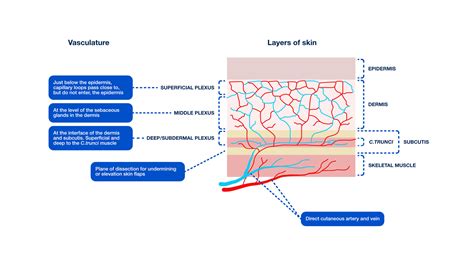
Genetics play a significant role in the appearance of dark under-eye circles. If dark circles run in your family, there’s a high chance you might also develop them. Genetic predisposition can cause thin skin under the eyes, making blood vessels more visible and creating a darker appearance. This can be an inherited trait seen early in childhood. Over time, the dark circles may lighten or get darker.
Aging
As you age, your skin loses collagen and becomes thinner, which can cause dark circles to become more prominent. Aging also reduces fat and elasticity, making the blood vessels under the eyes more noticeable. The skin tends to sag and become thinner, with a decrease in the fat and collagen that helps maintain skin’s elasticity. As this occurs, the dark blood vessels beneath the skin become more visible, causing the area below the eyes to darken. Aging might also cause tear troughs to appear more hollow, giving the appearance of looking tired or older.
Using eye creams with retinoids or peptides can help to stimulate collagen production, providing a firmer, more resilient under-eye area.
Sleep Habits
Poor sleep habits or lack of sleep can cause fluid retention around the eyes, making them appear puffy and dark. When you don’t get enough rest, your skin can look pale, which enhances the contrast of blood vessels under your eyes. Oversleeping, or a lack of sleep, may cause your skin to become more dull and pale. As a result, the blood vessels and dark tissues beneath the skin might become more visible. Sleep deprivation may also lead to a fluid buildup beneath the eyes, causing them to appear puffy. Dark circles may then actually be shadows cast by puffy eyelids.
To counteract this, aim for seven to eight hours of quality sleep each night.
Dehydration
When your body is dehydrated, the skin under your eyes can become dull and sunken, making dark circles more apparent. This is due to how close the eyes are to the underlying bone. In addition to drinking water, use a hydrating eye cream with hyaluronic acid.
Drinking enough water each day helps to keep your skin hydrated and flushes out toxins.
Allergies and Rubbing
Allergic reactions can lead to itchiness, redness, and swelling, all of which worsen dark circles. When you have an allergic reaction, your body releases histamines to fight off the invader. This may cause itchy, red, and puffy eyes. Rubbing the eyes due to itching can also cause broken blood vessels and worsen pigmentation. Scratching the itchy skin may cause inflammation, swelling, and broken blood vessels, leading to post-inflammatory pigmentation.
To relieve allergies, try using antihistamines and avoid rubbing the eye area. Cold compresses and cucumber slices can provide relief by soothing irritation and reducing puffiness.
Sun Exposure
Excessive sun exposure can increase melanin production, which can worsen pigmentation under the eyes. This is known as post-inflammatory pigmentation. Too much sun may produce excess melanin, which is the pigment that gives skin color. Your body might then deposit this excess melanin beneath the eyes, resulting in hyperpigmentation. Protecting your skin from harmful UV rays is essential for preventing dark circles.
Use sunscreen with at least SPF 30 and wear sunglasses to shield the delicate under-eye area from sun damage. Including a wide-brimmed hat on especially sunny days is an excellent extra layer of protection.
Hyperpigmentation
Hyperpigmentation is a common cause of dark circles, especially in individuals with darker skin tones. This condition, known as idiopathic hyperchromia of the orbital ring, happens when melanin builds up under the eyes. Topical treatments containing vitamin C, niacinamide, or licorice extract can help to lighten the pigmentation. These ingredients work by inhibiting melanin production, thereby reducing discoloration.
Chemical peels and laser treatments are other effective options to reduce pigmentation under the eyes.
Dietary Factors
An unbalanced diet lacking essential vitamins and minerals can lead to poor skin health and dark circles. Vitamins C, K, and E are essential for maintaining skin health and reducing dark circles. One study suggests that low levels of vitamin B12 might increase skin pigmentation, which may contribute to dark circles developing beneath your eyes.
Incorporate leafy greens, citrus fruits, and nuts into your diet to nourish your skin from the inside out.
Lifestyle Choices: Smoking and Alcohol
Smoking affects blood circulation, which can lead to dark circles under the eyes. The toxins in cigarettes reduce collagen production and cause premature aging, making dark circles more prominent. Without exposure to toxins, your skin can regain its elasticity, improving circulation under the eyes. Alcohol dehydrates the skin, which can make the area around your eyes look dull and dark. Excessive alcohol consumption can also cause fluid retention, making the eyes appear puffy.
Quitting smoking is one of the best things you can do for your skin. Limit your alcohol intake and always drink plenty of water to counteract its dehydrating effects.
Eye Strain and Screen Time
Prolonged screen time is a common cause of eye strain and under-eye circles. Eye strain causes blood vessels around the eyes to enlarge, leading to a darker appearance. Staring at a television or computer screen for long periods of time may strain your eyes. This strain could enlarge the blood vessels around your eyes, potentially causing dark circles.
Take regular breaks using the 20-20-20 rule: every 20 minutes, look at something 20 feet away for 20 seconds.
Fluid Retention and Hormonal Changes
Fluid retention, often caused by hormonal changes or high salt intake, can make the under-eye area look swollen and darker. Sleeping with your head elevated helps prevent fluid buildup around the eyes. Reducing your salt intake can also help to minimize puffiness, as salt promotes water retention.
Chronic Sinus Congestion
Chronic sinus congestion restricts blood flow under the eyes, making them appear darker. Sinus issues often cause a buildup of pressure around the eyes, which worsens dark circles.
Nasal decongestants, steam inhalation, and saline sprays can help to alleviate sinus congestion.
Anemia
Anemia is when your levels of red blood cells are lower than normal. This could leave you feeling dizzy, weak, light-headed, short of breath, or tired. The skin may appear paler than usual, and dark circles may form under the eyes. Once anemia is treated, many people report that the dark circles beneath their eyes also disappear.
Talk with a doctor about getting blood work done to check your iron levels.
Medications
Certain ophthalmic solution drugs used to help treat glaucoma, such as latanoprost and bimatoprost, may cause POH (periorbital hyperpigmentation). These are most likely to develop between 3 and 6 months after starting bimatoprost treatment. Sometimes, changes may be permanent, so it’s important to speak with a doctor if you notice any major discoloration.
Types of Dark Circles
Dark circles under the eyes refer to the skin beneath the eyes appearing darker than usual. These circles can range in colour from blue and purple to brown or black, depending on your natural skin tone. The skin in this region is thinner and more delicate compared to the rest of our faces.
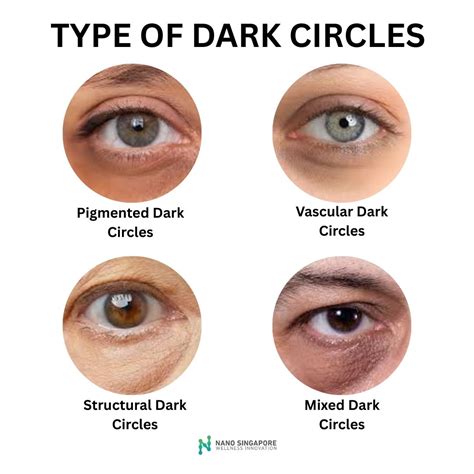
- Vascular dark circles appear as blue, pink, or purple discoloration under the eyes. This is often due to poor blood circulation around the eye area, resulting in thinner skin, a lack of firmness, and dilated blood vessels that become more visible through the translucent skin.
- Pigmented dark circles are brown or black in colour and result from excess melanin, the pigment that gives skin, hair, and eyes their colour. This condition happens when melanin builds up under the eyes.
- Indented dark circles, also known as sunken eyes, are characterised by a noticeable groove running from the tear duct to the cheek. This condition happens when the fat in the under-eye area decreases over time, often due to gravity and ageing. As the volume in the cheek area reduces, it creates a depression under the eyes, resulting in a hollow or indented appearance.
- Structural changes, including collagen and elastin loss, lead to thinner and more fragile under-eye skin, making blood vessels more apparent.
- Fluid retention and swelling can contribute to the appearance of dark circles under the eyes. When excess fluid accumulates around the eyes, it causes the skin to stretch and appear darker.
Albinism and Its Effects on the Eyes
Albinism affects the production of melanin, the pigment that colours skin, hair, and eyes. People with albinism have a reduced amount of melanin, or no melanin at all, which can affect their colouring and their eyesight. People with albinism often have white or very light blonde hair, although some have brown or red hair.
Eye Problems Associated with Albinism
The reduced amount of melanin can cause eye problems because melanin is involved in the development of the retina. Possible eye problems linked to albinism include:
- Poor eyesight - either short-sightedness or long-sightedness, and low vision (sight loss that cannot be corrected).
- Astigmatism - where the cornea or lens is not perfectly curved, causing blurred vision.
- Photophobia - where the eyes are sensitive to light.
- Nystagmus - where the eyes move involuntarily from side to side, causing reduced vision.
- Strabismus (Squint) - where the eyes point in different directions.
Some young children with albinism may appear clumsy because problems with their eyesight can make some movements difficult.
Types and Inheritance of Albinism
The two main types of albinism are:
- Oculocutaneous albinism (OCA) - the most common type, affecting the skin, hair, and eyes.
- Ocular albinism (OA) - a rarer type that mainly affects the eyes.
OCA and some types of OA are passed on in an autosomal recessive inheritance pattern, meaning a child needs to inherit the gene from both parents. Most types of OA are passed on in an X-linked inheritance pattern, which affects boys and girls differently.
Diagnosing and Treating Albinism-Related Eye Issues
Albinism is usually obvious from a baby's appearance at birth. As albinism can cause eye problems, a baby may be referred to an eye specialist for tests. Electrodiagnostic testing is also used to help diagnose albinism.
Although there is no cure for the eye problems caused by albinism, treatments such as glasses and contact lenses can improve vision. Low-vision aids, such as large-print materials, magnifying lenses, and specialized software, can also be beneficial. Sunglasses, tinted glasses, and wide-brimmed hats help with light sensitivity (photophobia). While there is no cure for nystagmus, it is not painful and does not worsen.
Diagnosis and Treatments for Dark Circles
Medical Assessment
To assess periorbital hyperpigmentation (POH), a doctor will typically perform a physical and medical history examination, possibly an eyelid stretch test or slit lamp exam, and a Wood’s lamp examination. Blood and liver function tests may also be conducted. The doctor will then use these results to classify the POH appearances and causes, which might include pigmented, post-inflammatory, vascular, structural, or mixed-type.
At-Home Remedies
Several at-home remedies can help reduce the appearance of dark circles:
- Apply a cold compress to the skin under your eyes for 20 minutes.
- Get adequate sleep.
- Stay hydrated by drinking more water and including more fruits and vegetables in your diet.
- Elevate your head with an extra pillow or rolled-up blanket while sleeping.
- Place chilled, soaked black or green tea bags over your eyes for 10-20 minutes.
- Apply eye creams.
- Conceal dark circles with makeup.
Medical and Cosmetic Treatments
For more permanent options, several medical treatments are available:
- Chemical peels to reduce pigmentation.
- Laser surgery to resurface the skin and enhance skin tightening.
- Medical tattoos to inject pigment into thinning skin areas.
- Tissue fillers to conceal blood vessels and melanin that cause skin discoloration beneath your eyes.
- Fat removal to remove excess fat and skin, revealing a smoother and more even surface.
- Surgical implants of fat or synthetic products.
- Carboxytherapy to increase blood flow to the area under the eyes.
- Botox injections from reputable specialists can target pigmentation and loss of volume.
In addition to lifestyle and topical treatments, in-office procedures can provide more immediate and long-lasting relief from dark circles. These options often deliver more noticeable results and can help treat the underlying causes of dark circles.
It’s important to remember that dark circles aren’t something that have to be fixed; there’s nothing wrong with leaving them be. Before deciding on any cosmetic procedures, speak with a doctor, as invasive medical treatments can be expensive, painful, and may require a long recovery.
Dark Circles or Puffy Eye Bags? Causes and Fixes
Conclusion
Now that you know the causes and solutions for dark under-eye circles, you have a variety of options to explore. From lifestyle changes to professional treatments, each solution offers unique benefits. Understanding the science behind those shadows can empower you to take better care of your eyes and achieve a brighter, more refreshed appearance.