Your skin is more than just an outer layer; it serves as the first line of defense against bacteria, viruses, and environmental damage. Skin health matters because healthy skin helps regulate body temperature, retains moisture, and supports overall health. Taking care of your skin isn’t just about beauty; it’s a key part of maintaining your skin’s overall well-being.
The Crucial Role of Dermatology
Dermatology is the branch of medicine dedicated to the diagnosis, treatment, and prevention of skin, hair, and nail disorders. This specialty encompasses both medical and surgical aspects, allowing dermatologists to manage a wide array of conditions. From common issues like acne and eczema to more complex diseases such as skin cancer and cutaneous T-cell lymphoma, dermatologists play a crucial role in maintaining skin health.
A dermatologist is a medical doctor who specializes in treating the skin, hair, and nails. Community-based dermatologists play a crucial role in enhancing patient care and participation in clinical trials. Understanding the basic functions of the skin and how to care for it is essential for preventing common dermatological problems.
Functions of the Skin
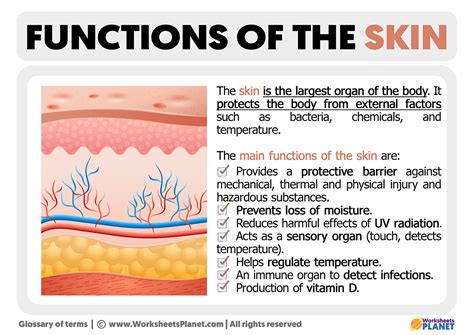
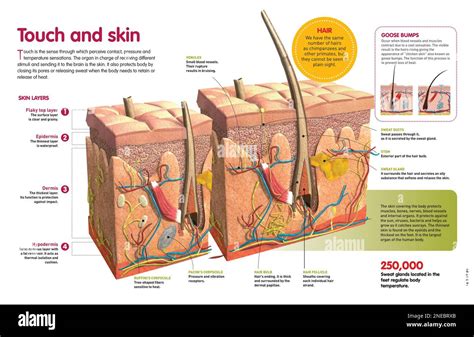
Our skin is the body’s largest organ and serves as the first line of defense against environmental stressors, infections, and injuries. The skin acts as a protective barrier, shielding the body from harmful UV rays, bacteria, viruses, and pollutants. It also regulates body temperature and allows for the sensation of touch. Skin maintains hydration through a complex system of oil production and moisture retention.
Key functions of the skin include:
- Holding in fluid and preventing dehydration.
- Helping you feel sensations, such as temperature or pain.
- Keeping out bacteria, viruses, and other causes of infection.
- Stabilizing body temperature.
- Synthesizing (creating) vitamin D in response to sun exposure.
Essential Skin Care Practices
Daily cleansing removes dirt, excess oil, and environmental pollutants that accumulate on the skin. Using a gentle, pH-balanced cleanser helps maintain the skin’s natural protective barrier. It’s also important to properly moisturize the skin. Hydration is key to maintaining the skin’s elasticity and resilience. Additionally, protection from the sun is crucial to prevent a variety of skin conditions. Sunscreen is one of the most important tools in preventing skin damage.
If you do get a cut or scrape, clean it right away with soap and warm water. When you take a shower or bath, use warm (not hot) water.
Common Skin Conditions and Treatments
Dermatological issues and skin disorders are among the most common health complaints, affecting people of all ages. Some skin conditions are temporary, while others require long-term management.
Acne
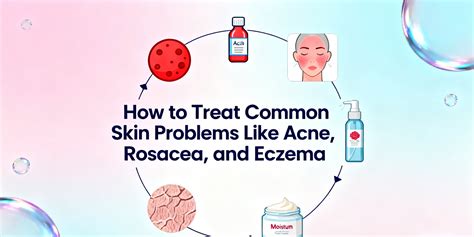
Acne occurs when hair follicles become clogged with oil and dead skin cells, leading to inflammation and the formation of pimples, blackheads, or cysts. Over-the-counter treatments containing ingredients like salicylic acid or benzoyl peroxide can be effective for mild acne.
Eczema (Atopic Dermatitis)
Eczema is a chronic skin condition characterized by dry, itchy, and inflamed skin. It often starts in childhood and can flare up periodically throughout life. Moisturizing the skin regularly and avoiding known triggers are key to managing eczema. Research breakthroughs are giving patients with atopic dermatitis/eczema more ways to treat this condition.
Psoriasis
Psoriasis is an autoimmune condition that causes the rapid buildup of skin cells, leading to thick, scaly patches that can be itchy or painful. There is no cure for psoriasis, but treatments like topical corticosteroids, vitamin D analogs, and light therapy (phototherapy) can help manage symptoms.
Rosacea
Rosacea is a chronic skin condition that causes redness, flushing, and visible blood vessels on the face. Triggers like heat, spicy foods, and alcohol can exacerbate rosacea symptoms. Rosacea doesn’t define you, and with the right support, clearer days are ahead.
Acne Keloidalis Nuchae
If you have what feels like razor bumps or acne on the back of your neck or scalp, you may have acne keloidalis nuchae.
Scars
If you want to diminish a noticeable scar, know these 10 things before having laser treatment.
Skin Cancer Awareness and Prevention
Skin cancer is the most common type of cancer in the world. Regular use of sunscreen, wearing protective clothing, and avoiding tanning beds are key to preventing skin cancer. Early detection is critical, so individuals should perform regular self-exams to check for new or changing moles or growths and consult a dermatologist for annual skin checks.
Types of Skin Cancer:
- Basal Cell Carcinoma: The most common type, typically appearing as a small, shiny bump on the skin.
- Squamous Cell Carcinoma: This type can present as a firm, red nodule or a flat sore with a scaly crust.
- Melanoma: The most aggressive form of skin cancer, melanoma can appear as a new or changing mole.
- Merkel Cell Carcinoma: A rare but aggressive type, Merkel cell carcinoma appears as a firm, painless nodule or bump on the skin.
How to Do Self-Skin Checks
Dermatology Through Different Life Stages
As we age, our skin undergoes various changes that require different approaches to care.
Infant and Pediatric Skin Care
Babies have delicate skin that is prone to dryness, diaper rash, and irritation. Common pediatric conditions include cradle cap, eczema, and impetigo.
Adolescent Skin Health
During adolescence, hormonal changes often lead to increased oil production, resulting in acne. Developing good sun protection habits in adolescence is crucial for preventing long-term skin damage.
Adult and Aging Skin
Adult skin may be prone to conditions like rosacea, hyperpigmentation, and melasma. As we age, skin loses its elasticity and collagen production slows down, leading to wrinkles, sagging, and dryness. Older adults are at higher risk for skin cancer due to cumulative sun exposure over the years.
Cosmetic Dermatology and Treatments
Cosmetic dermatology focuses on improving the appearance of the skin, addressing concerns such as wrinkles, scars, and pigmentation. Advances in dermatological treatments have made it easier than ever to enhance skin health and achieve desired cosmetic outcomes.
Common Cosmetic Procedures:
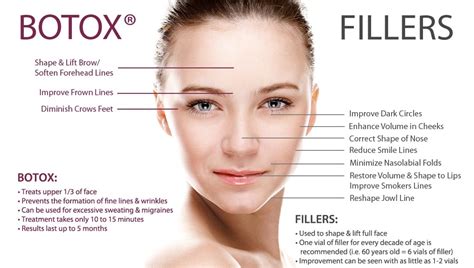
- Botox: Botox injections temporarily relax the muscles that cause wrinkles, such as frown lines, crow’s feet, and forehead lines.
- Dermal Fillers: Fillers, such as hyaluronic acid, are used to restore volume to areas like the cheeks, lips, and nasolabial folds.
- Chemical Peels: Chemical peels involve applying a solution to the skin that exfoliates the outer layers, revealing smoother, clearer skin underneath.
- Laser Skin Resurfacing: Laser treatments use focused light to remove layers of skin, stimulate collagen production, and reduce the appearance of wrinkles, scars, and sun damage. Fractional lasers and intense pulsed light (IPL) are commonly used for these purposes.
- Laser Hair Removal: For individuals seeking long-term hair reduction, laser treatments offer a solution by targeting and destroying hair follicles.
Dermatology and Skin Health: A Comprehensive Approach
Dermatology is an essential aspect of overall health and well-being. By understanding common skin conditions, practicing preventive care, and seeking timely treatment for any concerns, individuals can maintain healthy, vibrant skin throughout their lives. Whether you’re dealing with acne, eczema, or looking to enhance your skin’s appearance with cosmetic treatments, dermatologists are valuable partners in achieving and maintaining optimal skin health.
Free to everyone, educational materials can teach young people about common skin conditions, which can prevent misunderstanding and bullying. You can search by location, condition, and procedure to find the dermatologist that’s right for you.
Joining a clinical trial could be a good option if you are suffering from a chronic skin disease, like eczema or atopic dermatitis. Clinical trials are frequently enrolling to learn more about chronic skin conditions to test potential new treatments and improve long-term patient outcomes.