Dry skin, medically known as xerosis, is a prevalent condition affecting individuals of all ages. It manifests as skin that lacks sufficient moisture, leading to a dehydrated state characterized by roughness, flakiness, and an uncomfortable, tight sensation. While typically a chronic condition, dry skin is highly manageable with the right approach.
The appearance of dry skin can vary, presenting as rough, flaky, itchy, and uncomfortable patches. Fortunately, dry skin causes few long-term problems for most individuals.
Common Causes of Dry Skin
Dry skin can arise from a multitude of factors, including:
- Environmental Conditions: Low humidity, cold weather, excessive heat, and exposure to harsh weather conditions are significant contributors. Indoor heating systems can also reduce humidity, exacerbating dryness.
- Bathing Habits: Frequent or prolonged bathing or showering, especially with hot water, can strip the skin of its natural oils. Scrubbing the skin excessively also contributes to dryness.
- Soaps and Detergents: Harsh soaps and detergents can disrupt the skin's natural lipid barrier, leading to moisture loss.
- Aging: As individuals age, the skin naturally loses moisture and becomes thinner, making it more susceptible to dryness.
- Dehydration: Insufficient fluid intake can impact the skin's hydration levels.
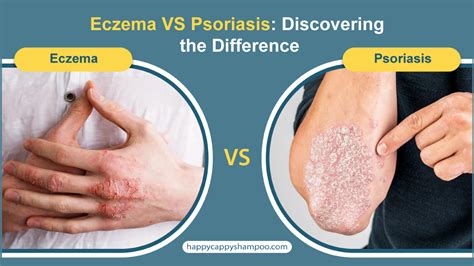
- Certain Medical Conditions: Conditions such as eczema (atopic dermatitis), psoriasis, and diabetes can manifest with dry, itchy skin.
- Medical Treatments: Some medications, including diuretics and topical or systemic retinoids, can cause dry skin as a side effect.
- Genetics and Skin Type: Individual predisposition and skin type can influence the likelihood of developing dry skin.
Dry air, particularly during winter months, is a frequent culprit. Indoor heating systems further contribute by reducing ambient humidity. Similarly, older adults are more prone to dry skin due to the natural thinning and drying of the skin with age.
Dry skin occurs when the skin loses water or oil, leading to a tight and rough feeling, often on the hands, arms, and legs. Itching is a common symptom, but it can also indicate other skin problems or health issues.
Dry skin is a sign of a damaged skin barrier. The skin barrier is composed of natural lipids that act as a physical barrier to seal moisture within the skin.
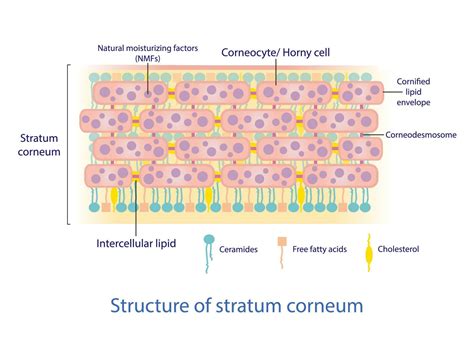
Understanding the Skin's Structure and Dryness
The skin is our primary barrier against the environment and consists of three main layers: the hypodermis, dermis, and epidermis. The epidermis, the outermost layer, is composed of keratinocytes that mature and move towards the surface. In the stratum corneum, the outermost compartment of the epidermis, these cells form an insoluble structure called the cornified envelope, filled with keratin filaments and lipids like cholesterol, fatty acids, and ceramides. This structure is crucial for maintaining skin hydration and preventing water evaporation.
When lipids are depleted, and there isn't enough water in the stratum corneum, the skin cannot function properly, leading to dryness. Dry air significantly reduces the water content in the stratum corneum, contributing to xerosis.
Symptoms of Dry Skin
Signs and symptoms of dry skin can vary based on age, health status, skin tone, environment, and sun exposure. Common manifestations include:
- Roughness
- Flakiness or scaling
- Itchiness
- Tightness
- Redness or inflammation
- Cracking
- Irritation
Dry skin can be temporary or seasonal, appearing only in winter, for example, or it may require long-term management.
When to Consult a Dermatologist
While many cases of dry skin respond well to lifestyle changes and home remedies, it is advisable to consult a healthcare provider or dermatologist if:
- Dry skin is severe, persistent, or doesn't improve with home care.
- It is accompanied by significant itching that disrupts sleep or daily activities.
- The skin is cracked, bleeding, or shows signs of infection.
- Dry skin is a symptom of an underlying medical condition, such as eczema, psoriasis, or diabetes.
A dermatologist can accurately diagnose the cause of dry skin and develop a personalized treatment plan.
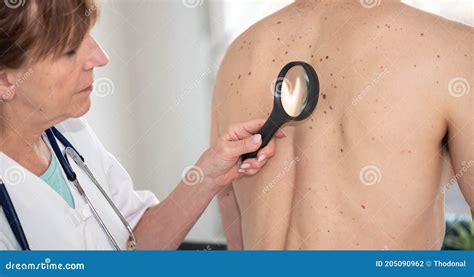
Dermatological Treatments and Management Strategies
Dermatologists employ a range of effective treatments to manage dry skin and restore the skin's natural moisture barrier. These often involve a combination of strategies tailored to individual needs.
Moisturizing Techniques
Regular moisturizing is fundamental in treating dry skin. Dermatologists recommend:
- Using Suitable Moisturizers: Opt for fragrance-free, emollient-rich moisturizers that contain ingredients like hyaluronic acid, glycerin, or ceramides. These ingredients help to attract and retain moisture in the skin.
- Application Timing: Apply moisturizers immediately after bathing or washing hands to lock in moisture while the skin is still damp.
- Barrier Repair Moisturizers: These contain lipids that closely mimic the natural lipid structure of a healthy skin barrier, helping to repair and protect it.
Moisturizers seal in water, helping to maintain the skin's protective barrier. It's essential to use moisturizers throughout the day, especially on the hands. For outdoor activities, use a moisturizer containing a broad-spectrum sunscreen with an SPF of at least 30, even on cloudy days.
Petroleum jelly acts as a barrier to moisture by forming a protective layer on the skin, keeping moisture in and blocking irritants. Moisturizers, in cream or lotion form, help to add moisture back into the skin. Thicker moisturizers are generally more effective for dry, itchy skin.
Bathing and Cleansing Practices
Adjusting bathing habits can significantly improve dry skin:
- Limit Water Exposure: Keep bath and shower times to 10 minutes or less.
- Use Lukewarm Water: Avoid hot water, as it can strip the skin of natural oils.
- Gentle Cleansers: Use mild, non-soap skin cleansers or allergen-free soaps (hypoallergenic). Avoid harsh soaps and detergents.
- Rinse and Pat Dry: Rinse thoroughly and gently pat the skin dry with a towel, rather than rubbing.
For babies, using a cleanser only once or twice a week for bathing is usually sufficient; otherwise, bathing them in plain water is recommended. Clean the diaper area with each diaper change.
Lifestyle and Environmental Adjustments
Incorporating certain lifestyle and environmental changes can also help prevent and manage dry skin:
- Humidifier Use: Using a humidifier at home, especially during dry seasons, can add moisture to the air.
- Protective Clothing: Cover exposed skin in cold or windy weather with gloves and appropriate clothing. Avoid itchy clothing.
- Hydration: Drink plenty of water throughout the day to maintain overall hydration.
- Diet: Foods rich in essential fatty acids, such as omega-3 and omega-6, can contribute to skin hydration.
- Shaving Care: If shaving, use a lubricating agent before starting, shave in the direction of hair growth, and use a sharp blade, rinsing it frequently.
- Seasonal Skincare: Adjust skincare routines seasonally, using richer moisturizers in winter and lighter products in summer.
How Does Moisturizer Work?
Specific Conditions Associated with Dry Skin
While dry skin is common, it can sometimes be a symptom of other skin conditions:
- Atopic Dermatitis (Eczema): This is a common form of eczema that causes the skin to become red, inflamed, and itchy. Research breakthroughs are providing new treatment options for this condition.
- Contact Dermatitis: This occurs when the skin comes into contact with an irritant or allergen, leading to redness, itching, and often dryness or flaking.
- Psoriasis: An autoimmune condition causing dry, red, scaly, and often itchy patches on the skin due to an overactive immune system.
In some cases, persistent dry skin can indicate underlying conditions like hypothyroidism or hyperthyroidism, which can affect hormone levels and skin moisture.
Preventing Dry Skin
Preventing dry skin involves adopting a consistent skincare routine and lifestyle practices that promote moisture retention:
- Moisturize regularly, especially after bathing.
- Use a suitable, fragrance-free moisturizer.
- Incorporate barrier repair moisturizers into your routine.
- Use lukewarm water for bathing and limit shower time.
- Avoid harsh soaps and detergents.
- Protect your skin from cold, dry air.
- Stay adequately hydrated by drinking enough water.
While diet can influence skin health, drinking excessive amounts of water beyond recommended daily intake is unlikely to alleviate dry skin on its own. The focus should be on addressing the root cause with a dermatologist.
tags: #dermatologist #dry #skin