When it comes to achieving a clear complexion, there are numerous approaches, ranging from intricate skincare routines and trendy products to more holistic methods like diet. While complex skincare and topical treatments play a role, the food we consume significantly influences our skin's health and appearance. Recent research underscores the powerful connection between diet and acne, highlighting foods that can exacerbate breakouts and those that promote a glowing complexion.
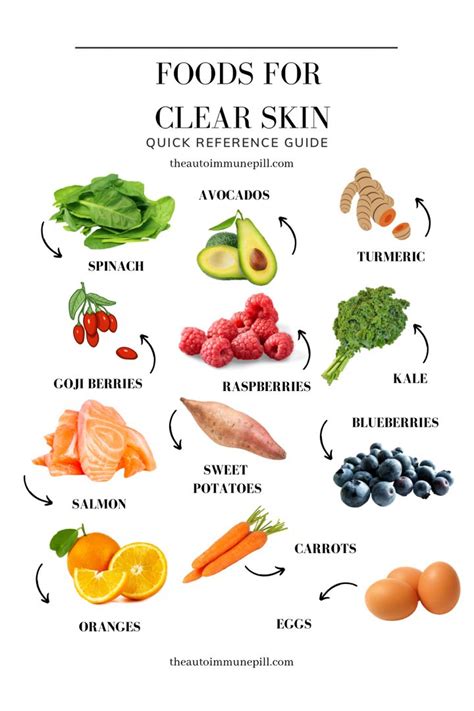
How Diet Affects Acne
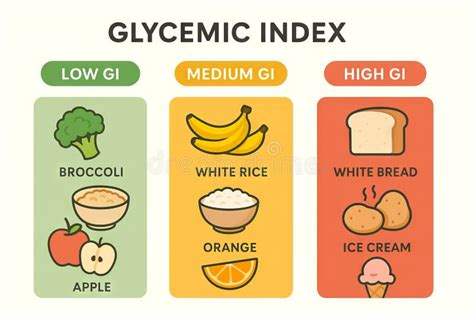
Numerous studies now support a strong link between diet and acne breakouts. High-glycemic index foods, such as white bread, sugary snacks, and processed items, can cause insulin spikes. These spikes, in turn, increase oil production in the skin, leading to clogged pores and more acne. A 2023 study indicated that 70% of individuals consuming high-glycemic diets experienced worse acne compared to those on low-glycemic plans. Furthermore, reducing sugar intake led to a 30% decrease in acne symptoms within six weeks, demonstrating the significant impact of dietary choices.
The nutrients derived from our meals are essential building blocks that aid skin regeneration, maintain elasticity, and ensure proper hydration. Our bodies require a consistent supply of vitamins (like C and E), minerals (such as zinc), and healthy fats (including omega-3 fatty acids) to keep skin cells functioning optimally. Choosing nutrient-rich foods for clear skin can strengthen the skin barrier, reduce inflammation, and contribute to a more youthful appearance.
Your skin is the largest organ, and it is highly sensitive to nutritional imbalances. When you consume nutrient-dense meals, your body prioritizes distributing these nutrients to vital organs, including the skin. Healthy fats (omega-3s from fish, nuts, seeds) and adequate hydration are crucial for maintaining the skin barrier. Opting for foods rich in vitamins, minerals, healthy fats, and antioxidants can transform your complexion.
Top Foods That Cause Acne
Certain foods are known to exacerbate acne and skin issues. Understanding these culprits can help in making informed dietary choices.
1. High Glycemic Index Foods
These foods cause rapid spikes in blood sugar, leading to increased insulin release, oil production, and inflammation-all major acne triggers.
- Examples: White bread, bagels, sugary cereals, candy, chocolate, soda, white rice, potatoes, pastries, donuts, cakes, energy drinks.
- Better alternatives: Brown rice, quinoa, oats, sweet potatoes, lentils, vegetables, berries, apples, nuts, and seeds.
2. Dairy Products
Dairy contains hormones, such as IGF-1, that can stimulate sebum production and increase inflammation. Even organic milk may contain hormones that stimulate oil glands. It is important to limit dairy intake. Yogurt or kefir might be better tolerated and have a different effect.
- Examples: Cow's milk (especially skim milk), ice cream, cheese.
- Recommendation: If struggling with breakouts, try eliminating dairy for a few weeks to assess your skin's response.
Whey Protein Supplements
Commonly found in gym shakes and protein powders, whey protein can increase insulin and IGF-1 levels, both of which can aggravate acne vulgaris. Some athletes report breakouts when starting whey protein supplements.
3. Fast Food
These foods are typically loaded with unhealthy fats and refined carbohydrates, both of which can inflame acne-prone skin.
- Examples: Fried chicken, burgers, fries.
Best Foods for Clear Skin
Incorporating specific foods into your diet can help regulate oil production, reduce inflammation, and promote healthier skin.
1. Low-Glycemic Foods
These foods help regulate insulin levels and reduce oil production, contributing to fewer breakouts.
- Whole grains: Quinoa, oats, brown rice.
- Legumes: Lentils, chickpeas.
- Vegetables: Leafy greens, broccoli, carrots.
2. Anti-Inflammatory Foods
Rich in omega-3 fatty acids and antioxidants, these foods can calm skin inflammation and prevent acne flare-ups.
- Fatty fish: Salmon, sardines.
- Nuts & seeds: Walnuts, chia seeds, flaxseeds.
- Berries: Blueberries, strawberries, cherries.
Meal Idea: Grilled salmon with a spinach salad topped with blueberries and walnuts is a skin-friendly powerhouse.
3. Green Tea
Green tea may help reduce systemic inflammation, balance hormones, and support skin health. One study showed that women who drank decaffeinated green tea twice daily for four weeks experienced a reduction in acne lesions. Aim for 2 to 3 cups per day, opting for decaffeinated if sensitive to caffeine.
Essential Vitamins and Nutrients for Acne-Free Skin
Certain vitamins and nutrients play a critical role in maintaining skin health and preventing acne.
- Vitamin A: Promotes cell turnover and prevents clogged pores. Best sources include carrots, sweet potatoes, and kale.
- Zinc: Reduces inflammation and regulates oil production. Excellent sources are pumpkin seeds, chickpeas, and lentils.
- Omega-3 Fatty Acids: Combat inflammation and support skin barrier health. Found in fatty fish (salmon, sardines, mackerel), flaxseeds, chia seeds, and walnuts.
Other Researched Supplements for Acne
Beyond diet, certain supplements may offer additional benefits for acne-prone skin.
- Probiotics: May improve gut health and reduce systemic inflammation. Strains like Lactobacillus rhamnosus GG and Lactobacillus acidophilus have shown promise in some studies.
- Vitamin D: Some studies suggest that individuals prone to acne may be deficient in Vitamin D. Supplementation could potentially reduce acne development and inflammatory lesions in those with low levels.
Smart Eating Habits That Help Prevent Acne
Adopting mindful eating practices can further support clear skin.
- Eat Regular Meals: Skipping meals can lead to hormonal imbalances that may worsen acne.
- Stay Hydrated: Aim for 8-10 glasses of water daily to help flush out toxins and support skin hydration.
- Limit Refined Sugars: Reduce consumption of soft drinks, candy, and baked goods.
- Keep a Food Diary: Track your meals and skin changes to identify potential dietary triggers.
Importance of Skin Hydration
Lifestyle Tips to Boost Your Diet for Clear Skin
Diet is a cornerstone of clear skin, but it works best in conjunction with healthy lifestyle choices.
- Get Enough Sleep: Aim for 7-9 hours of sleep per night, as your skin regenerates during this time.
- Manage Stress: High stress levels increase cortisol, which can trigger breakouts.
- Exercise Regularly: Sweating helps detoxify the body and boosts circulation to the skin.
- Stick to a Gentle Skincare Routine: Use non-comedogenic products and cleanse your face twice daily with a gentle cleanser.
Frequently Asked Questions
Can hydration improve acne?
Yes. Staying hydrated helps flush toxins and keeps your skin elastic and less prone to breakouts. One study reported a 25% improvement in skin hydration from increased water intake.
Which nutrients are best for clear skin?
Vitamin A, Zinc, and Omega-3s are key. They reduce inflammation, regulate oil production, and support healthy skin turnover.
What foods should I avoid to reduce acne?
Avoid high-glycemic foods, dairy, and fast food, as these increase inflammation and stimulate oil production.
What are good meals for healthy skin?
Try a quinoa bowl with leafy greens, grilled salmon, and avocado, or a smoothie with spinach, blueberries, and flaxseeds. Each meal should combine anti-inflammatory and low-glycemic ingredients.
How does sugar make acne worse?
Sugar causes insulin spikes, which lead to increased oil and hormone levels, triggering breakouts. Studies indicate that high-sugar diets can increase acne risk by 20-30%.
Final Thoughts: Clear Skin Starts on Your Plate
If you are serious about managing acne, begin by focusing on your kitchen. Your food choices significantly influence inflammation, hormone balance, and oil production-all critical factors in acne management. Avoid sugary snacks, high glycemic carbohydrates, dairy, and fast food. Instead, embrace whole grains, fruits, vegetables, nuts, seeds, and fatty fish. Support your efforts by staying hydrated, managing stress, sleeping well, and maintaining a balanced diet. Your skin is a reflection of your internal health. By making informed dietary decisions, you are not only nourishing your body but also paving the way for a healthier, clearer complexion. If your acne persists despite these efforts, consulting a board-certified dermatologist is recommended.