Choosing the right sunscreen can be a daunting task, with a variety of SPF numbers and acronyms like UVA and UVB adding to the confusion. Understanding what these numbers mean and how they relate to sun protection is crucial for safeguarding your skin. This article delves into the specifics of SPF strength differences, particularly between SPF 30 and SPF 50, and provides guidance on how to maximize your skin's protection from the sun's harmful rays.
Understanding SPF in Sunscreen
The Sun Protection Factor (SPF) number on your sunscreen bottle is a measure of how effectively the sunscreen protects your skin from UVB rays. UVB rays are the primary cause of sunburn and are significant contributors to skin cancer. The SPF number indicates how much longer your skin can theoretically remain in the sun before burning when wearing sunscreen compared to not wearing any.
For instance, if your skin typically starts to burn after 10 minutes in the sun, an SPF 15 sunscreen theoretically allows you to stay in the sun for 150 minutes (10 minutes x 15) without burning. However, it is important to remember that skin damage is caused by two types of ultraviolet (UV) rays: UVB and UVA.
UVB Rays vs. UVA Rays
- UVB Rays: These are the primary culprits behind sunburn and skin cancer. UVB radiation penetrates the outermost layer of the skin (the epidermis), damaging DNA in skin cells and potentially leading to mutations and skin cancers like melanoma, basal cell carcinoma, and squamous cell carcinoma. SPF is specifically designed to protect against UVB rays.
- UVA Rays: These rays are responsible for skin aging, sunspots, and tanning. They penetrate deeper into the skin and are present consistently throughout the day and year. To protect against UVA rays, sunscreens must be labeled as "broad-spectrum." UVA protection is typically indicated by specific ingredients like avobenzone, zinc oxide, or titanium dioxide.
Therefore, for comprehensive protection, it is essential to look for sunscreens labeled as "broad-spectrum", which offer protection against both UVA and UVB rays.
The Difference Between SPF 30 and SPF 50
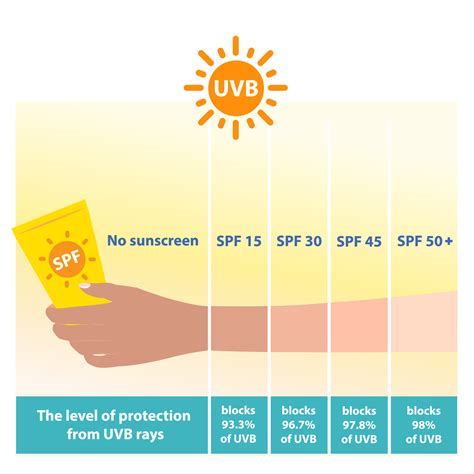
The main distinction between SPF 30 and SPF 50 sunscreens lies in their level of protection against UVB rays. An SPF 30 sunscreen blocks approximately 97% of UVB rays, while an SPF 50 sunscreen blocks about 98%. This means the difference in effectiveness between SPF 30 and SPF 50 is only about 1%.
In theory, SPF 30 suggests you can stay in the sun 30 times longer than you could without sunscreen before burning. If you typically burn in 10 minutes, SPF 30 should protect you for about 300 minutes (approximately 5 hours). Following the same logic, SPF 50 would theoretically allow you to stay in the sun 50 times longer without burning (500 minutes, or about 8.3 hours).
SPF Testing and Real-World Application
It is crucial to understand that SPF is calculated in a controlled laboratory environment using methods that are difficult to replicate in real life. Scientists apply a specific amount of sunscreen evenly to untanned skin and then measure the time it takes for the skin to redden after UV exposure. In practice, people rarely apply sunscreen with such precision. Factors like swimming, sweating, and infrequent reapplication significantly reduce the actual protection obtained.
Consequently, focusing solely on the SPF number can be misleading. Real-world effectiveness depends heavily on proper application and frequent reapplication.
Do Higher-SPF Sunscreens Work Better?
Not necessarily. The subjective nature of SPF testing and the potential for a false sense of security with higher SPF ratings can undermine their effectiveness. People might stay in the sun longer or reapply less frequently, negating the benefits of a higher SPF.
Critiques of High-SPF Sunscreens
- Cost: Higher-SPF sunscreens are often more expensive than their lower-SPF counterparts, with a minimal increase in protection for a significant price difference.
- Misuse of Products: Some studies indicate that higher SPF ratings can lead to a false sense of security, encouraging longer sun exposure and potentially increasing the risk of skin cancer due to reduced reapplication.
- Misleading Labels and Marketing: There is insufficient evidence to suggest that broad-spectrum sunscreens with SPF above 60 offer significant additional benefits. The FDA has even proposed capping SPF values at 60 due to a lack of proven advantage for higher numbers.
How to Get the Most Protection Out of Your Sunscreen
Effective sun protection involves more than just choosing a high SPF. Proper application, reapplication, and using other protective measures are paramount.
Key Tips for Maximizing Sunscreen Effectiveness:
- Apply Generously: Use at least one ounce (a shot glass full) of sunscreen for full body coverage.
- Reapply Often: Reapply sunscreen every two hours, or more frequently after swimming or sweating, even if the product is water-resistant.
- Check Expiration Dates: Discard expired sunscreen, as its effectiveness diminishes over time.
- Use Additional Protection: Wear protective clothing, hats, and sunglasses. Seek shade whenever possible. Remember, no sunscreen can block 100% of UV rays.
- Choose Broad-Spectrum: Opt for sunscreens labeled "broad-spectrum" to protect against both UVA and UVB rays.
- Consider Skin Type: Mineral sunscreens with zinc oxide and titanium dioxide may be beneficial for sensitive or fair skin tones.
- Apply Before Exposure: Apply sunscreen at least 15 minutes before going outdoors to allow it to absorb properly.
Why do we have to wear sunscreen? - Kevin P. Boyd
It is essential to remember that consistency in application and reapplication matters far more than the number on the bottle. Whether you choose SPF 30 or SPF 50, protection is only effective if the sunscreen is used correctly.
For individuals with a history of skin cancer, genetic predispositions like albinism or xeroderma pigmentosum, or certain immune disorders, SPF 50 or higher, along with other protective measures, may be recommended for extended outdoor activities. However, for daily use, SPF 30 is generally sufficient if applied properly and reapplied regularly during sun exposure.
Ultimately, no single method of sun defense provides perfect protection. A combination of consistent, broad-spectrum sunscreen use, seeking shade, and wearing protective clothing is the most effective strategy to prevent skin cancer and premature aging.