Our beds are a sanctuary, a place for rest and rejuvenation after a long day. The thought of lingering in bed all weekend is equally appealing. While it might seem harmless to postpone changing bedsheets, even with minor stains, this practice can pose health risks. This article delves into the potential dangers associated with unwashed bedding and provides practical solutions for maintaining a clean and healthy sleep environment.
The Unseen Dangers of Unwashed Bedding
Washing bedsheets, pillow covers, and duvet covers regularly is crucial for maintaining a clean and fresh sleep area. This consistent cleaning helps eliminate accumulated dirt, sweat, and other particles, contributing to overall health and comfort. A clean bed not only feels pleasant but also promotes better sleep quality.
The sheer volume of germs that accumulate on our bedding can be staggering. When bodily fluids like sweat soak into your sheets, they create an environment conducive to the growth of bacteria and other microorganisms. Compounding this issue, a recent survey revealed that 35% of people admit to eating in bed. This habit, whether for relaxation, convenience, or enjoyment, introduces food and drink spills that can stain linens and attract a host of germs, bacteria, and even insects into the sleeping space.
Even for those who are meticulous about not eating in bed, not washing sheets frequently can lead to various problems. Pet lovers also face challenges, as pets can carry dust, dirt, and germs into bed. While fluids, food, and pets are significant contributors to the microbial load on bed linens, numerous other factors necessitate regular washing.
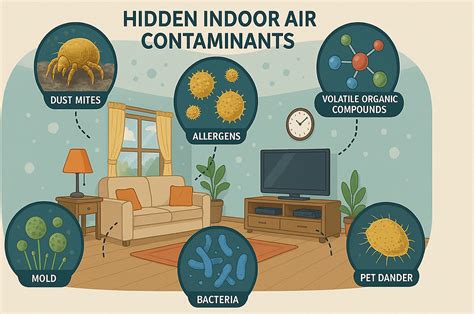
Health Risks Associated with Unhygienic Bedding
These contaminants can pose serious health risks, endangering you and your family. Your skin is in direct contact with your bedsheets, pillow covers, and duvets every night. The presence of bacteria, dust mites, and potential bed bug infestations can negatively impact skin health.
- Bacteria: Bacteria on your sheets can lead to skin issues such as breakouts, whiteheads, and itching.
- Bed Bugs: Infestations can be a source of significant stress and discomfort.
- Infections: Sleeping on unwashed sheets can facilitate the spread of various infections, including ringworm, skin lesions, crumbling toenails, and even pneumonia. These can manifest as rashes and severe itching.
- Allergies and Asthma: Sleeping on unwashed sheets can trigger asthma symptoms or exacerbate existing allergies.
- Sleep Disturbance: Frequent interruptions to sleep, whether due to bedbugs or general discomfort, can disrupt the sleep cycle.
Preventing Rashes and Irritations from Bedding
Addressing the issue of an unhygienic sleeping environment is paramount. Fortunately, the solutions, while requiring diligence, are straightforward.
Maintaining Clean Bed Linens
The primary goal is to ensure your bed linens remain fresh and clean. It is advisable to have at least two sets of bed sheets, pillowcases, and duvet covers. This allows for rotation during washing.
Washing Methods for Bed Linens
Two effective methods can be used in conjunction to keep your sheets impeccably clean:
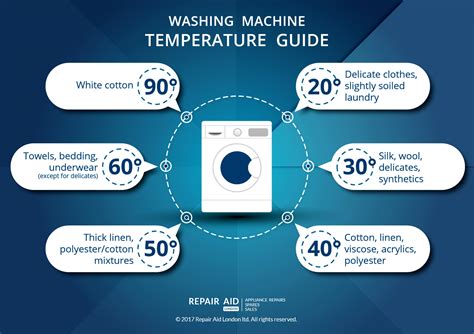
- Machine Wash: For a thorough clean, wash your sheets using hot water and a heavy-duty cycle. Always refer to the product's specific washing instructions.
- Pre-Soaking: Fill a bucket with hot water and add baking soda and vinegar, or your preferred detergent. After allowing the linen to soak thoroughly, proceed with washing it in the machine, using a heavy-duty cycle with hot water or following the product's instructions.
The Role of Fabric Choice and Hypoallergenic Materials
The condition of your bedding extends beyond just the fabric layers, potentially affecting mattresses and pillows as well. While keeping mattresses and pillows clean might seem like a significant undertaking, it is an integral part of maintaining a healthy sleep environment.
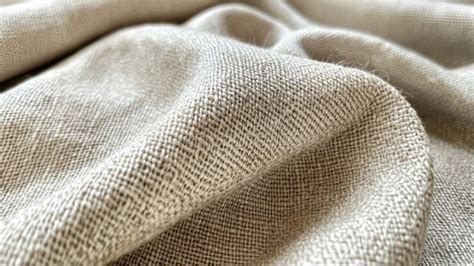
For those experiencing rashes or itching, the material of the bedsheets can play a significant role. Rashes can occur even with new bed sheets if they are not made from skin-friendly fabrics. Natural fibers such as cotton, linen, and silk are generally considered skin-friendly and are less likely to cause irritation, especially for those with sensitive skin.
Hypoallergenic sheets are designed to resist common indoor allergens. Their tight weave structure minimizes gaps, creating an unfavorable environment for allergens. These sheets are often naturally resistant to dust particles and mildew and are typically made from materials like cotton, silk, or linen. These natural fabrics are breathable, allowing air circulation, which inhibits the growth of bacteria that thrive in damp, humid conditions. Wool, for instance, has moisture-wicking properties, but cotton and linen are generally preferred for year-round use due to their versatility.
It is recommended to opt for bedding accessories made from natural fabrics like cotton, linen, or silk. Ensuring all bedding components-pillows, flat sheets, fitted sheets, duvet covers, and comforters-are made from natural, skin-friendly materials can significantly reduce the risk of irritation.
Understanding Dust Mite Rashes and Allergies
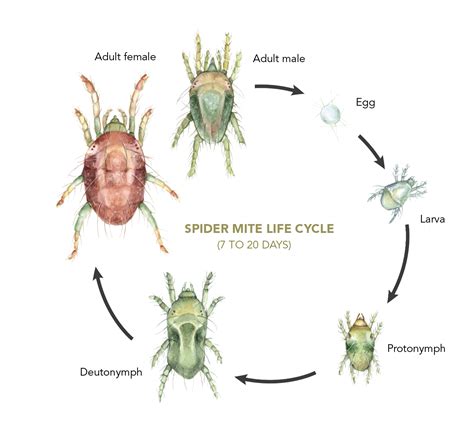
A dust mite rash, more accurately described as an allergic reaction to dust mites, typically doesn't present as a traditional rash with raised eruptions. Instead, it stems from an allergic response to proteins found in the feces and body fragments of these microscopic arachnids, which are ubiquitous in household dust.
Symptoms of Dust Mite Allergy
- Redness and Itching: Affected skin areas may become red and itchy.
- Hives: Some individuals may develop hives, characterized by raised, itchy welts.
It is important to note that the severity and presentation of dust mite allergy symptoms can vary greatly among individuals. If you suspect a dust mite allergy or are experiencing persistent skin or respiratory symptoms, consulting a healthcare provider or allergist for proper diagnosis and management is advisable.
Detecting Dust Mites and Prevention
Identifying the presence of dust mites often involves a combination of visual inspection (though mites themselves are microscopic) and recognizing common signs:
- Unexplained Bites or Skin Irritations: Waking up with red, itchy marks, particularly on areas that come into contact with bedding, can be an indicator.
- Allergy Symptoms: Sneezing, runny nose, coughing, itchy or watery eyes, and skin rashes can all be associated with dust mite allergies.
To minimize dust mite presence in bedding:
- Visual Inspection: Examine mattresses, pillows, and bedding for any visible signs of dust or debris.
- Allergen Testing Kits: Home allergen testing kits can help confirm the presence of mites if visual inspection is inconclusive.
- Preventive Measures: Use dust mite-resistant mattress and pillow covers, wash bedding regularly in hot water (at least 130°F or 54°C), and vacuum mattresses and bedroom areas frequently.
Effective Strategies for Dust Mite Elimination
Completely eradicating dust mites can be challenging, but several effective strategies can significantly reduce their population and alleviate allergy symptoms:
- Wash Bedding Regularly: Launder sheets, pillowcases, blankets, and comforters in hot water (130°F/54°C or higher) to kill dust mites and remove allergens.
- Use Allergen-Proof Covers: Encase mattresses, box springs, and pillows with dust mite-proof covers.
- Frequent Vacuuming: Use a vacuum cleaner equipped with a HEPA filter to thoroughly clean mattresses, carpets, and upholstered furniture.
- Control Humidity: Maintain indoor humidity levels between 30-50% to create a less hospitable environment for dust mites.
- Choose Allergen-Reducing Bedding: Opt for hypoallergenic bedding materials and pillows.
- Steam Cleaning: Utilize a steam cleaner for mattresses and upholstery.
- Freezing: For smaller items like pillows or cushions, freezing them for several hours can kill dust mites.
Understanding Sweat Rash (Intertrigo)
Sweat rash, medically known as intertrigo, is a common inflammatory skin condition that occurs when skin folds become moist and experience friction. This typically results in a red rash that can be itchy, sting, or burn. If a secondary infection, such as a fungal or bacterial infection, develops, the rash may become more inflamed and emit an unpleasant odor.
Causes and Risk Factors for Sweat Rash
The primary causes of sweat rash include:
- Moisture: Trapped moisture from sweat, urine, or feces.
- Heat: Elevated temperatures exacerbate sweating.
- Lack of Air Circulation: Tight clothing or skin folds prevent air from reaching the area.
- Friction: Skin-to-skin rubbing, intensified by moisture and heat.
Individuals at higher risk include those who are overweight, have diabetes, or have a weakened immune system. Babies are also particularly susceptible due to their delicate skin and tendency for moist skin from drooling or diapers.
Treating and Preventing Sweat Rash
Treatment for fungal sweat rash often involves anti-fungal creams or sprays containing ingredients like clotrimazole. In cases of inflammation, a combination treatment with a mild corticosteroid may be recommended. Keeping the affected areas clean and dry is crucial for prevention.
If a sweat rash persists despite treatment, is caused by obesity, or if you are pregnant or elderly, consulting a doctor is advised.
Doctor explains Ringworm (aka Tinea) including symptoms, signs, causes and treatment!
Contact Dermatitis and Bedding
Contact dermatitis is a skin reaction that occurs after direct contact with a substance. There are two main types:
- Irritant Contact Dermatitis: This is the more common type and results from the skin's reaction to irritating substances like soaps, detergents, solvents, or even prolonged exposure to moisture. Repeated contact with milder irritants can also cause a reaction.
- Allergic Contact Dermatitis: This occurs when the skin comes into contact with a substance to which an individual is allergic. Common allergens found in bedding or related products include fragrances, preservatives, dyes, and metals. Allergic reactions can be delayed, appearing 24 to 48 hours after exposure.
Symptoms of contact dermatitis can include redness, itching, dryness, rough skin, and in severe cases, blisters or oozing. Diagnosis often involves a physical examination and possibly patch testing to identify the specific allergen or irritant. Treatment typically involves avoiding the offending substance and using topical corticosteroids or emollients to soothe the skin.
If you suspect contact dermatitis related to your bedding, consider switching to natural, fragrance-free detergents and opting for bedding made from hypoallergenic materials.
Establishing a Healthy Bedding Routine
Given that we spend approximately one-third of our lives in bed, maintaining clean bed linens should be a priority. Ideally, sheets should be laundered weekly, or at the very least, every other week.
Recommended Cleaning Schedule
To ensure a consistently clean and hygienic sleeping environment, adhere to the following schedule:
- Sheets and Pillowcases: Weekly.
- Duvet Covers, Blankets, and Comforters: Every 1-2 months. If a top sheet is not used, wash these items concurrently with your sheets.
- Mattress Pad: Four times a year.
- Bed Skirt: Every 3-6 months.
Regularly vacuuming your mattress when cleaning the bed skirt can help remove accumulated dust and dirt.
Additional Tips for a Healthier Sleep Space
- Air Out Your Bed: After waking up, pull back the covers and allow your bed to air out. This helps moisture evaporate, making the environment less attractive to bacteria and mites.
- Hot Water Washing and Drying: Launder bedding using the hottest water recommended on the care label. Tumble drying on high heat can help kill any remaining germs. Consider using bleach for white linens, especially when cleaning after illness.
- Check Labels: Some comforters and duvet covers are not machine washable. Always check care labels before laundering.