The Kopari Beauty - Coconut Water Moisture Cream is formulated to enhance skin hydration through a combination of effective humectants and emollients. These two types of ingredients are crucial for improving skin moisture and maintaining a healthy skin barrier.
Understanding Hydration: Humectants and Emollients
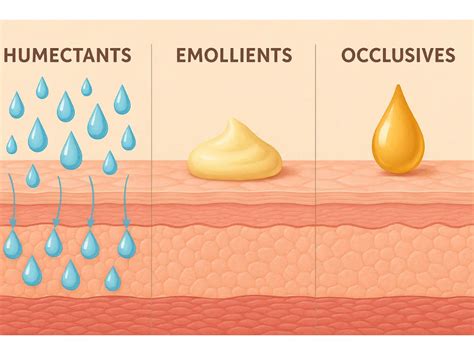
Humectants, such as Glycerin, Sodium Hyaluronate, Aloe Barbadensis Leaf Juice, and Cocos Nucifera Water, work by attracting water molecules to the skin's upper layers. This water can be drawn from the surrounding environment or from deeper skin layers if the air is dry. Emollients, including Vitis Vinifera Seed Oil, Caprylic/Capric Triglyceride, Squalane, and Cetearyl Alcohol, play a vital role in reducing moisture loss from the skin. They also contribute to softening the skin's surface, alleviating feelings of dryness and tightness.
Key Ingredient Callouts
Peptides: A Promising Addition
This moisturizer contains Hexanoyl Dipeptide-3 Norleucine Acetate, a type of peptide. Peptides, which are naturally present in our skin and composed of amino acids, have various functions, including acting as natural antibiotics, promoting wound healing, and stimulating collagen production. While research on the efficacy of peptides in skincare is ongoing, they are believed to potentially help restore the skin barrier and combat signs of aging. At a minimum, peptides function as humectants, drawing water to the skin's surface and improving hydration.
Ingredients with Potential but Low Concentrations
The formulation includes ingredients like Lecithin, Butyrospermum Parkii Butter, and Camellia Oleifera Seed Oil, which could be beneficial for the skin. However, their concentrations in this product are considered too low to provide significant effects.
Ingredient Spotlight: Deep Dive into Key Components
Water (Aqua)
As the most common ingredient in skincare, purified and deionized water serves as the primary solvent in cosmetic products. Its presence is fundamental for the overall formulation.
Caprylic/Capric Triglyceride
This is a widely used emollient that imparts a smooth and pleasant feel to the skin. Derived from coconut oil and glycerin, it is light-textured, clear, odorless, and non-greasy, making it well-tolerated by most skin types and easy to incorporate into formulations.
Propanediol
Propanediol is a natural alternative to propylene glycol, offering a favorable profile in cosmetic formulations.
Aloe Vera
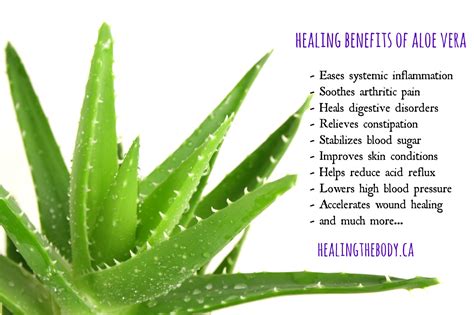
Known for its beneficial properties, Aloe Vera is recognized as a great moisturizer. Research confirms its moisturizing capabilities and highlights its anti-inflammatory components, such as salicylates, polysaccharides, magnesium lactate, and C-glucosyl chromone. It also aids in wound healing and skin regeneration.
Coconut Water (Cocos Nucifera Water)
The liquid found inside coconuts, coconut water, is rich in moisturizing sugars, amino acids, minerals, vitamins, and phytohormones like kinetin. These components make it an excellent moisturizing and nourishing ingredient for the skin, with claimed antioxidant and anti-glycation properties.
Cetearyl Alcohol
This common ingredient provides a soft feel to the skin and contributes to the texture of creams and lotions. It also aids in stabilizing oil-water mixtures but does not act as an emulsifier on its own. As a fatty alcohol, it differs significantly from drying alcohols.
Polysorbate 20
A sugar-based emulsifier effective in low concentrations, Polysorbate 20 helps create emulsions for lotions and sprays, providing good spreadability and a soft skin feel.
Hexanoyl Dipeptide-3 Norleucine Acetate
This tripeptide, marketed as "PerfectionPeptide P3," is claimed to reactivate the skin's natural desquamation process. This can lead to improved skin quality, fewer imperfections, reduced signs of aging, accelerated cell renewal, enhanced hydration, refined skin texture, and diminished wrinkle depth. It's important to note that these are manufacturer claims and should be considered with a degree of skepticism.
Sodium Hyaluronate
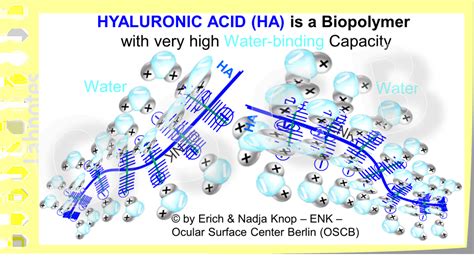
As the salt form of hyaluronic acid, sodium hyaluronate is a potent humectant. Hyaluronic acid is a large molecule found in the skin that acts like a sponge, helping the skin retain water and maintain plumpness and elasticity. Sodium hyaluronate and hyaluronic acid are often used interchangeably in skincare, with both being effective at attracting and holding moisture.
Squalane
Squalane is a stable, saturated hydrocarbon that occurs naturally in some plant oils and human sebum. It is highly valued for its emolliency, ability to occlude the skin surface, and prevention of transepidermal water loss (TEWL). Squalane provides excellent moisturization, leaving the skin smooth without feeling heavy or greasy, and is compatible with most skin types.
Camellia Oleifera Seed Oil
This golden-yellow oil, derived from the Camellia tree native to Asia, is a great emollient and moisturizing oil, particularly beneficial for dry skin.
Butyrospermum Parkii Butter (Shea Butter)
Shea butter is renowned for its moisturizing and emollient properties. It also helps regenerate and soothe the skin, offers protection against external factors, and is rich in antioxidants like vitamins A, E, and F.
Vitis Vinifera (Grape) Seed Oil
Extracted from polyphenol-rich grape seeds, this light emollient oil leaves the skin feeling smooth and contains beneficial compounds for skin health.
Tocopherol (Vitamin E)
A form of Vitamin E commonly used in cosmetics, tocopherol acts as an antioxidant, protecting the skin from damage.
Cellulose Gum
This ingredient, derived from plant cell walls, functions as a thickening agent, helping to create gel-like formulas.
Potassium Sorbate
A preservative that protects against bacteria, fungi, and yeast, extending the shelf life of the product.
Xanthan Gum
This polymer molecule is a versatile helper ingredient used for emulsifying and stabilizing oil-in-water formulas. It also acts as a thickening and gelling agent, creating smooth, non-sticky textures across a wide pH range.
Lecithin
Lecithin is a common ingredient found in all cell membranes. In cosmetics, it acts as an emollient, a water-binding agent, an emulsifier, and a stabilizer.
Glyceryl Stearate Citrate
This ingredient functions as an emulsifier, helping to mix oil and water components in a formulation.
Phenoxyethanol
A widely used preservative known for its safety and gentleness, phenoxyethanol is an alternative to parabens and is effective against a broad spectrum of microorganisms.
Irritation Risk Assessment
The Kopari Coconut Water Moisture Cream contains several common ingredients that may cause irritation, including those with no known skin benefits. Therefore, it might not be the most suitable choice for individuals with sensitive skin. The overall assessed irritancy level of this moisturizer is considered high.