Choosing the right color corrector depends on individual preferences regarding product thickness, texture, and scent. A well-formulated color corrector should effectively neutralize underlying discoloration rather than imparting its own distinct color onto the skin. For instance, a green color corrector can be used on the nose to counteract redness without leaving a noticeable green tint. Similarly, an under-eye concealer should neutralize darkness without making the skin appear a bold orange. The primary function of a corrector is to neutralize, not necessarily to cover discoloration entirely. For enhanced brightness under the eyes, concealer is often used in conjunction with a corrector.

While this guide focuses on Huda Beauty color correctors, it's important to understand the principles of color correction. For example, a Live Tinted Huestick Color Corrector in the shade Rise is effective for neutralizing dark circles. The key is to select a product that complements your specific skin concerns and desired finish.
Understanding Color Theory in Makeup
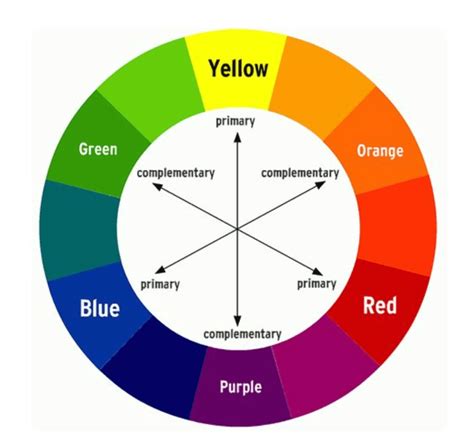
Color correction in makeup is rooted in basic color theory. Opposite colors on the color wheel neutralize each other. This principle is applied to counteract various skin discolorations:
- Yellow and orange tones are used to counteract blue and purple undertones, commonly found in dark circles.
- Green tones are used to neutralize redness, such as blemishes or irritation.
- Peach and pink tones can help neutralize blue or greenish undertones, often seen on lighter skin tones.
How to Use Color Correctors
The application of color correctors is a crucial first step in achieving a flawless complexion. Here’s a general approach:
1. Identify Your Discoloration
Determine the specific color issues you want to address. Are you dealing with dark circles, redness, hyperpigmentation, or sallowness?
2. Select the Appropriate Corrector Shade
Based on color theory, choose a corrector that will neutralize your concern:
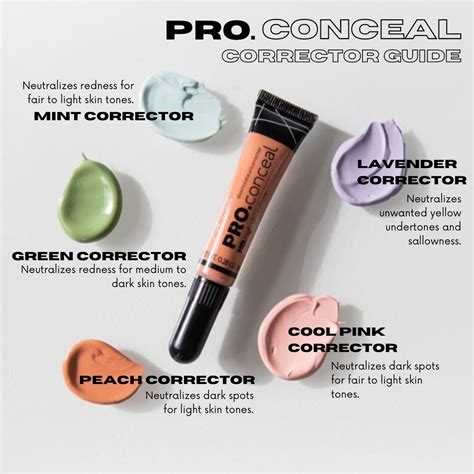
- For dark circles (blue/purple): Use a peach, orange, or yellow-toned corrector.
- For redness: Use a green-toned corrector.
- For sallowness (yellowish/greenish undertones): Use a lavender or pink-toned corrector.
3. Application Technique
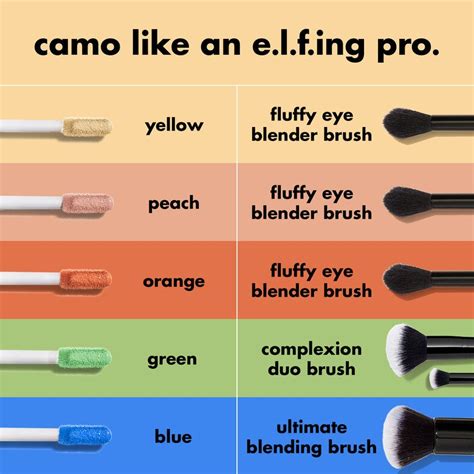
Apply a small amount of the color corrector only to the areas that need correction. Use a precise brush or your fingertip to gently tap and blend the product. Avoid spreading it too widely, as this can make the correction area too obvious.
4. Layering Concealer and Foundation
After the corrector has been applied and blended, follow up with your regular concealer. The concealer should be a shade that matches your skin tone or is slightly lighter to brighten the area. Apply concealer over the corrected areas and blend. Finally, apply your foundation as usual. The goal is for the corrected and concealed areas to blend seamlessly with the rest of your skin.
Huda Beauty Color Corrector Considerations
Huda Beauty offers various products that can function as color correctors or be used in conjunction with them. When considering Huda Beauty's range, pay attention to:
- Formulation: Is it creamy, liquid, or a balm? This will affect blendability and coverage.
- Pigmentation: How concentrated is the color? A highly pigmented product requires a lighter hand.
- Finish: Does it have a matte, satin, or dewy finish? This can impact how it looks under foundation and concealer.
Remember, a corrector's job is to neutralize, and concealer is typically used afterward to cover and brighten. Experimentation with different shades and application methods will help you find what works best for your unique skin tone and concerns.