Losing a substantial amount of weight, such as 60 pounds or more, is a remarkable accomplishment that significantly benefits your health and self-esteem. However, this achievement can sometimes be accompanied by the challenge of loose, sagging skin. This is a common occurrence, particularly for individuals who have undergone bariatric surgery or used weight-loss medications like GLP-1 agonists, which can lead to significant weight reduction over 12 to 18 months. Fortunately, a range of effective treatments, both surgical and non-surgical, can help improve body contour, restore confidence, and support overall wellness goals.
Why Does Loose Skin Occur After Weight Loss?
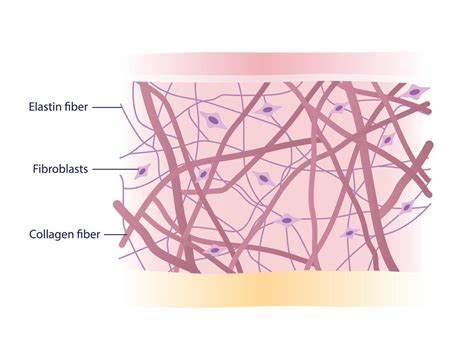
The skin's ability to stretch and retract is largely due to the proteins collagen and elastin. Collagen provides firmness and structure, while elastin allows the skin to stretch and return to its original shape. When the body gains weight, the skin stretches to accommodate the increased mass. If this stretching occurs over a long period, the collagen and elastin fibers can become damaged and lose their elasticity. Rapid weight loss does not allow the skin sufficient time to adjust and contract, often resulting in sagging.
Factors Influencing Skin Elasticity and Sagging
Several factors influence how your skin responds to weight loss:
- Age: As we age, our natural production of collagen and elastin decreases, leading to a natural loss of skin firmness and elasticity. Younger skin generally has better retraction capabilities.
- Amount and Speed of Weight Loss: Losing a large amount of weight, especially quickly, puts more strain on the skin's elastic fibers, increasing the likelihood of sagging. Gradual weight loss allows the skin more time to adapt.
- Genetics: Individual genetic makeup plays a role in how resilient a person's skin is and its ability to retain elasticity after significant weight changes.
- Duration of Overweight/Obesity: The longer the skin has been stretched, the more difficult it may be for it to fully retract.
- Sun Exposure and Smoking: Chronic sun exposure and smoking can damage collagen and elastin, further compromising skin elasticity.
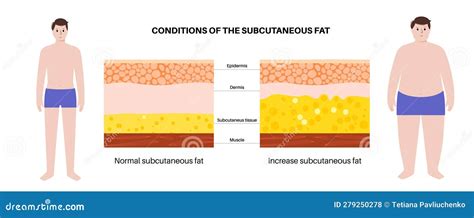
It's important to distinguish between loose skin and stubborn fat. True loose skin often lifts easily and lacks significant thickness, whereas remaining fat may feel more substantial. This distinction is crucial as each requires different management strategies.
Strategies for Minimizing Loose Skin
While some degree of loose skin is common after significant weight loss, several strategies can help minimize its appearance and improve skin tone:
Natural and Lifestyle Approaches
These methods focus on supporting skin health from within and through external care:
- Gradual Weight Loss: Aiming for a sustainable weight loss of 1-2 pounds per week gives your skin more time to adapt and contract naturally.
- Hydration and Nutrition: Drinking plenty of water keeps the skin hydrated and supports its overall health. A balanced diet rich in vitamins (especially C and E), minerals, antioxidants, and lean proteins promotes skin regeneration and collagen production. Foods rich in omega-3 fatty acids can also contribute to skin elasticity.
- Strength Training: Incorporating resistance training exercises helps build muscle mass. Increased muscle tone provides underlying support for the skin, which can improve its appearance and fill out sagging areas. Aim for consistent strength training 2-3 times per week, focusing on major muscle groups.
- Topical Treatments: While they won't eliminate significant loose skin, firming creams and lotions containing ingredients like retinol, hyaluronic acid, and vitamin C can support skin elasticity and improve its appearance. Consistent application is key.

Non-Surgical Medical Treatments
For mild to moderate skin laxity, several non-invasive procedures can stimulate collagen production and improve skin tightness:
- Radiofrequency (RF) Therapy: This treatment uses radiofrequency energy to heat the deeper layers of the skin, stimulating collagen production and leading to gradual skin tightening.
- Microneedling: This minimally invasive procedure creates tiny punctures in the skin, triggering the body's natural healing response and increasing collagen production. When combined with RF energy, it's known as Radiofrequency Microneedling.
- Ultrasound Therapy: Focused ultrasound energy targets the deeper skin layers, promoting collagen remodeling and skin lifting.
- Laser Treatments: Various laser technologies can heat the skin's deeper layers, stimulating collagen production and improving skin elasticity and texture.
These treatments typically require multiple sessions and offer gradual, modest improvements, best suited for less severe skin laxity.
Aging Process of Skin: Dermal Injections to stimulate production of Collagen to rejuvenate skin
Surgical Options for Excess Skin Removal
When non-surgical methods are insufficient, or for significant amounts of excess skin, surgical procedures are often the most effective solution:
Common Body Contouring Surgeries
These procedures are designed to remove excess skin and fat, reshaping the body:
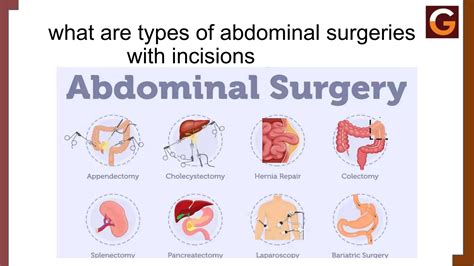
- Abdominoplasty (Tummy Tuck): Removes excess skin and fat from the abdomen and tightens the underlying muscles.
- Brachioplasty (Arm Lift): Removes excess skin and fat from the upper arms for a more toned appearance.
- Thigh Lift: Addresses loose skin on the inner or outer thighs.
- Lower Body Lift: A comprehensive procedure that removes sagging skin from the buttocks, thighs, and abdomen.
- Breast Lift or Reduction: Addresses changes in breast shape and volume after weight loss.
- Panniculectomy: Specifically removes the hanging abdominal skin panel (pannus), which may be covered by insurance if it causes medical problems.
These surgical interventions provide dramatic and immediate results but involve longer recovery times, permanent scarring, and associated risks. It's crucial to have maintained a stable weight for at least six months prior to surgery and to consult with a board-certified plastic surgeon.
Considerations Before Surgery
Candidates for excess skin removal surgery should:
- Have maintained a stable weight for at least six months.
- Be in good overall health.
- Have realistic expectations about the outcomes.
- Understand the potential risks and complications associated with surgery.
If you are taking weight-loss medications like GLP-1 agonists, you will likely need to stop them for a short period before surgery, as advised by your medical team, due to their effects on digestion.