Hyaluronic acid (HA) is a naturally occurring sugar molecule found in high concentrations within the skin, playing a crucial role in maintaining its hydration and contributing to a plump, supple, and smooth complexion. As the body's natural production of hyaluronic acid decreases with age, dryness and visible signs of aging can become more pronounced. Utilizing hyaluronic acid skincare products can help replenish hydration and support the skin's natural moisture balance.
Research indicates that hyaluronic acid has an exceptional capacity to hold several times its weight in water, making it a highly effective hydrator suitable for all skin types. While hyaluronic acid draws in and retains moisture, combining it with lipids such as ceramides can enhance the locking-in of this hydration, further supporting skin barrier health.
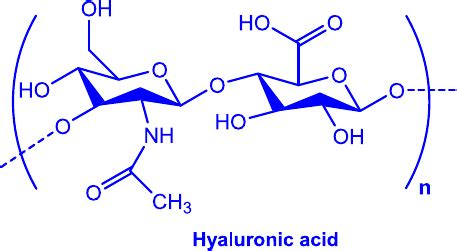
Understanding Hyaluronic Acid
What is Hyaluronic Acid?
Hyaluronic acid belongs to a class of long, chain-like molecules known as polymers. These chains possess numerous sites where other chemical compounds, like water, can attach. This characteristic allows a small amount of hyaluronic acid to hold a significant volume of water, positioning it as a superior polymer for water absorption, whether natural or artificial, and making it a key ingredient in moisturizing products.
The structure of hyaluronic acid, with its ample space for other molecules to bind, makes it effective for transporting molecules throughout the body. Its ability to attach to cells also makes it a subject of study for targeted drug delivery systems.
Furthermore, the chain-like structure of hyaluronic acid allows it to function as a scaffold, supporting tissue growth. This is vital for wound healing. Scientists have also identified hyaluronic acid in human embryos, prompting research into its role in reproduction and development.
History and Presence in the Body
Hyaluronic acid was discovered in 1934 and has been utilized in cosmetic and aesthetic products since the 1990s. It is naturally present in the human body, with a significant portion-50 to 70%-located in the skin. Most hyaluronic acid is stored in the dermis.
Skin cells continuously produce hyaluronic acid, though it degrades rapidly, often within a day. It serves as the skin's primary source of moisture, helping to maintain its fundamental structures and acting as a beneficial treatment for dehydration and loss of firmness.
The body's natural production of hyaluronic acid begins to decline progressively, often starting as early as age 20. This deficit can be exacerbated by exposure to external environmental stressors such as UV radiation and pollution, or by various treatments.
Benefits of Hyaluronic Acid for Skin
Hydration and Moisture Retention
Hyaluronic acid is a humectant, meaning it attracts and retains moisture. It is capable of binding over one thousand times its weight in water. This substance is naturally found in various parts of the human body, including the skin, eyes, and the synovial fluid of joints.
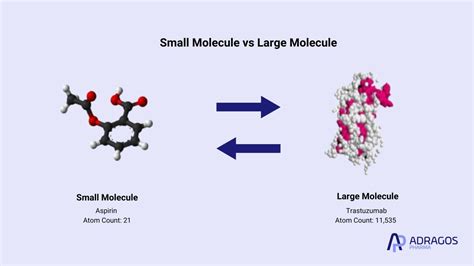
As individuals age, the production of essential skin components, including hyaluronic acid, collagen, and elastin, diminishes. Many skincare products containing HA claim to enhance skin hydration. The effectiveness of topical HA depends on the molecular size of the hyaluronic acid used in the product.
Larger HA molecules, while excellent at binding water, cannot penetrate the skin. When applied topically, they remain on the skin's surface, providing hydration only at the superficial layer. Smaller HA molecules, which bind less water, can penetrate deeper into the epidermis, the outermost layer of the skin.
Plumping and Anti-Aging Effects
Hyaluronic acid acts like cement, filling the spaces between tissues. It naturally adds volume, which helps to reduce the appearance of wrinkles. This property is a primary reason for its use in aesthetic medicine, resulting in smoother and softer skin.
Long-term use of hyaluronic acid serums applied to the skin or taken as oral supplements can improve overall skin health. It is also effective in enhancing skin flexibility and elasticity, leading to softer and more pliable skin.
The plumping and youth-boosting benefits of hyaluronic acid make it a valuable addition to skincare routines, not just for those with dry skin. As skin ages, its natural hyaluronic acid production slows, leading to increased dryness and a thinner appearance over time.
Skin Barrier Support
A robust skin barrier is essential for protection against environmental aggressors like pollution and UV damage. Hyaluronic acid is gentle and non-comedogenic, meaning it does not clog pores.
Uses of Hyaluronic Acid
Skincare Products
Hyaluronic acid is prevalent in a wide array of beauty and skincare products, including serums, moisturizers, sheet masks, night creams, and lip products. Topical HA is an excellent moisturizer. For individuals with dry skin or those seeking a more dewy, hydrated feel, especially during cooler months, serums or moisturizers containing HA can be highly beneficial.
Hyaluronic acid serums and moisturizers are readily available and can be easily integrated into daily skincare routines.
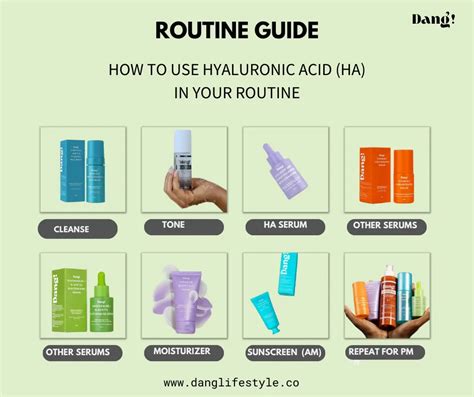
Incorporating Hyaluronic Acid into a Skincare Routine
- Cleansing: Begin with a gentle, refreshing cleanse to remove impurities. A soft cleansing foam can help maintain clear yet comfortable skin.
- Eye Care: Add an eye gel formulated with hyaluronic acid. These products can be essential and effective for the eye contour area, helping to restore elasticity and moisture levels thanks to HA's water-binding ability.
- Serum Application: Apply a soothing hyaluronic acid serum both morning and evening. This step helps replenish and boost skin's moisture levels, promoting a radiant appearance.
- Moisturizing: Use hyaluronic acid creams to retain hydration, acting as a sealing layer. Moisturizers with hyaluronic acid help maintain water levels, providing sustained hydration throughout the day.
- Sun Protection: The final step of the morning skincare routine should always be a broad-spectrum sunscreen with a high SPF. A hydrating sunscreen containing hyaluronic acid is a suitable choice for all skin types, with lightweight formulas recommended to avoid a greasy feel.
Dermal Fillers
Hyaluronic acid is also used in dermal fillers, often in an injectable gel form. These fillers restore volume by physically filling the targeted area and by drawing water to enhance the filling effect. While topical HA is an excellent moisturizer, it is not as effective as injectable HA fillers for replacing lost volume. Some topical HA products are misleadingly marketed as topical “fillers.”
Dermatologists and aesthetic practitioners utilize hyaluronic acid-based dermal fillers to restore volume, smooth wrinkles, and enhance facial contours.
Joint and Eye Health
Hyaluronic acid is most commonly used for skin, joint, and eye health. Oral hyaluronic acid supplements have been studied for their potential to relieve knee pain, and research suggests they can be effective.
In eye care, hyaluronic acid's ability to bind water provides hydration and supports the health of ocular tissues.
Wound Healing and Development
The structural role of hyaluronic acid as a scaffold supports tissue growth, which is a key aspect of wound healing. Its presence in human embryos also points to a potential role in reproduction and development, an area of ongoing scientific investigation.
Is Hyaluronic Acid Safe and Effective?
Safety Profile
Hyaluronic acid is generally considered safe and effective for daily use in most topical formulations. Over-the-counter hyaluronic acid serums, creams, lotions, and eye care products are deemed safe for topical application. Oral hyaluronic acid supplements are also considered safe, though it is advisable to inform a healthcare provider about their use, as with any supplement.
Prescription hyaluronic acid products must be used precisely as directed by a healthcare provider. Injections containing hyaluronic acid should only be administered by a licensed and qualified medical professional.
Effectiveness Considerations
The effectiveness of hyaluronic acid depends on its application and formulation. While topical HA is an excellent moisturizer, injectable HA fillers provide more significant volume restoration and contouring effects.
Visible hydration effects from topical hyaluronic acid may appear quickly, but rejuvenating effects typically take at least 30 days to become noticeable.
Interactions with Other Skincare Ingredients
Hyaluronic acid pairs well with other skincare ingredients, including vitamin C, retinol, and peptides. Vitamin C and hyaluronic acid can form a gentle yet potent combination, with their benefits complementing each other for a rejuvenating effect.
When combining skincare ingredients, it is always prudent to test them out. For instance, combining hyaluronic acid with retinoids is generally safe and can help mitigate potential dryness associated with retinols.
When to Consult a Healthcare Provider
You may wish to consult your healthcare provider about hyaluronic acid if you are considering using it as an oral supplement. Additionally, if you have specific skin concerns or are considering aesthetic treatments involving hyaluronic acid, professional medical advice is recommended.
Hyaluronic Acid Boosting Serum Mechanism of Action
tags: #hyaluronic #acid #hydration