Medical adhesives are indispensable tools in the healthcare industry, contributing significantly to patient safety and comfort. Their applications are diverse, ranging from the simple task of securing bandages and wound dressings to the more complex adhesion of medical devices. Understanding the various types of medical adhesives and their properties is crucial for healthcare professionals to select the most appropriate option for each clinical scenario.
Types of Medical Adhesives and Their Properties
The selection of a medical adhesive depends on a variety of factors, including the intended application, skin sensitivity, and the required duration of adhesion. Several key types of adhesives are commonly used in medical settings:
Silicone Adhesives
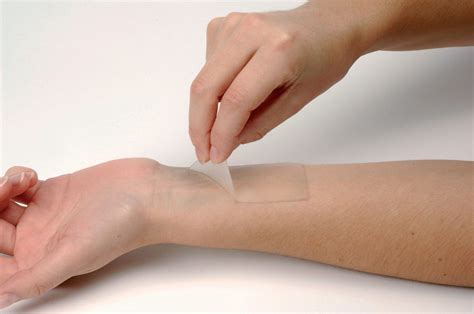
Silicone adhesives are renowned for their exceptional skin-friendly characteristics, making them an ideal choice for patients with sensitive skin. They are particularly well-suited for applications where bandages or wound dressings need to be changed frequently. Typically, medical-grade silicones are formulated as a thicker gel (less than 0.01 inches). These adhesives provide a gentle yet effective bond, minimizing skin trauma during removal.
Acrylic Adhesives
In contrast, acrylic adhesives offer strong and long-lasting adhesion. They are preferred in situations where a medical device or dressing requires secure attachment for an extended period. The medical tape market, largely dominated by acrylic adhesives, accounts for a significant portion of medical adhesive revenue, underscoring their prominence. These adhesives are often employed in post-surgical care, where robust adhesion is critical to maintain the integrity of sutures and promote proper wound healing. Recent advancements have also made many acrylic adhesives gentler on the skin, broadening their utility. Furthermore, acrylics are known for their cost-effectiveness.
Synthetic Rubber Adhesives
Synthetic rubber adhesives provide a valuable alternative for patients who need good durability and product longevity without the risk of latex allergies. These adhesives offer high tensile strength and good shear values at an affordable price point.
Hydrocolloid Adhesives
Hydrocolloid adhesives are primarily used in wound care and ostomy care. They have also gained traction on social media for their use in acne care and tattoo healing. Upon contact with wound exudate, hydrocolloids form a gel, creating a moist healing environment that can accelerate the healing process, particularly for chronic wounds, ulcers, and minor burns. They also provide a cushioning effect, enhancing patient comfort in areas prone to pressure or friction. However, their application is generally limited by their specific functionality.
Surgical Glues and Sealants
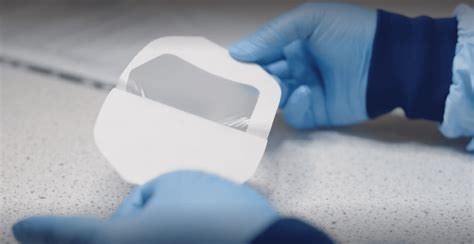
Beyond general medical adhesives, specialized surgical glues and sealants play a vital role in promoting fast, cosmetically appealing, and cost-effective wound closure. Their primary purpose is to seal tissues, preventing air and liquid leakage, controlling bleeding, or approximating wound edges. The characteristics of each sealant and adhesive are meticulously engineered to address the diverse needs and properties of living tissues under specific conditions.
Ideal Characteristics of Surgical Glues
An ideal surgical sealant or adhesive must be safe and effective in challenging conditions such as moisture and bleeding, while meeting flexibility and strength requirements. Ease of application and rapid drying are also crucial. Surgical adhesives can be used in conjunction with sutures and staples or independently to hold tissue together and act as a barrier.
Examples of Surgical Sealants and Adhesives
- Fibrin Sealant: This biological tissue adhesive, composed of fibrinogen and thrombin, mimics the final stages of blood clotting to form a fibrin clot. It acts as a hemostat, sealant, and adhesive, creating a seal along the entire wound length. Fibrin sealant is absorbable and physiologically degrades into granulation tissue. It is the only FDA-approved material for these combined clinical uses.
- Cyanoacrylate: These synthetic glues are known for their fast-acting, strong bond and are typically waterproof and somewhat flexible, often not requiring a secondary dressing. While older formulations had potential toxicity, longer-chain derivatives like 2-octyl cyanoacrylate are less toxic, more flexible, and FDA-approved. They dry quickly, stop bleeding, and act as a barrier against bacteria. However, they are not recommended for deep or jagged wounds or areas of high mobility.
- Collagen and Thrombin: Collagen-based surgical sealants, often in flowable formats, utilize collagen and thrombin to assist with coagulation by delivering fibrinogen to the wound area and controlling bleeding.
- Polyethylene Glycol Polymer: This synthetic hydrogel glue is used to seal fluid or air leaks, particularly in cranio-spinal dura repair and thoracic procedures. It is photoactivated and bioabsorbable.
- Albumin cross-linked with Glutaraldehyde: These medical adhesives, made from bovine albumin and glutaraldehyde, are typically used in internal surgeries such as pulmonary or vascular repair due to their ability to withstand high pressures.
Considerations for Using Skin Glues
Skin glues are generally best suited for small cuts or surgical wounds with easily approximated edges. Due to their limited flexibility, they are typically not used over joints. While waterproof, they should be kept dry for the initial days post-application. Skin glues naturally peel or fall off within about a week.
It is critical to distinguish medical-grade skin glues from household "Super Glue." Household cyanoacrylates are not medical-grade and can be harmful to tissues. Medical-grade adhesives should always be used as indicated and directed by a healthcare professional.
Recent Developments and Clinical Applications of Surgical Glues
The use of surgical glues has expanded significantly, offering advantages such as reduced scarring, improved patient comfort, and efficient closure times. However, potential complications like contact dermatitis have been reported, particularly with cyanoacrylate-based glues. Degradation products of cyanoacrylates, such as formaldehyde, can induce inflammation, especially in areas with thin skin or open wounds. While some studies suggest a higher incidence of reactions in specific patient groups or surgical sites, these reactions are generally uncommon and can be managed with appropriate medical intervention. Healthcare professionals emphasize the importance of a thorough patient history, including any known allergies to glues or cyanoacrylates, when selecting a surgical adhesive.
Ongoing research explores novel approaches, including light-activated nanosutures, laser-assisted tissue welding, and biomimetic adhesives, aiming to further enhance the capabilities and safety of surgical closure methods.
How To Apply DERMABOND ADVANCED Topical Skin Adhesive Effectively | J&J MedTech
Medical Skin Adhesives in Wound Closure
Medical skin adhesives have emerged as important tools in modern surgery, offering speed, reduced scarring, and enhanced patient comfort compared to traditional sutures and staples. These sterile, biocompatible compounds bond skin edges together, polymerizing upon contact with skin moisture to form a flexible film. This process holds wound edges together while healing occurs beneath, providing a breathable and often antimicrobial barrier.
Advantages Over Traditional Methods
Compared to sutures and staples, medical skin adhesives offer several benefits:
- Faster Application: Can significantly reduce closure time.
- Improved Cosmetic Outcomes: Eliminate "train track" scarring associated with sutures.
- Enhanced Patient Comfort: No removal visit required and reduced pain during repair.
- Antimicrobial Barrier: The polymerized film can prevent bacterial penetration.
However, adhesives are best suited for low-tension, superficial closures and are not appropriate for all wound types.
Types of Medical Skin Adhesives
- Cyanoacrylate-Based Adhesives: The most common type, these synthetic compounds polymerize rapidly to form a strong, waterproof bond. They are ideal for low-tension lacerations and surgical incisions, especially on the face, and in pediatric patients. Their key advantages include ultra-fast application, an immediate waterproof barrier, and superior cosmetic results. Limitations include their unsuitability for high-tension areas, mucosal surfaces, or constantly moist areas.
- Fibrin-Based Adhesives: These biological sealants mimic natural blood clotting and are used for internal surgical applications, such as hemostasis during surgery or sealing air leaks in lung surgery. They are biocompatible, biodegradable, and promote natural healing. Their main drawbacks are a slower bonding time, higher cost, and the need for refrigerated storage.
- Protein/Albumin-Based Adhesives: Using proteins like albumin cross-linked with agents like glutaraldehyde, these adhesives offer strong yet somewhat flexible bonds and can adhere to wet tissue surfaces. They are often used for specialized internal surgical repairs, particularly in cardiovascular surgery.
Choosing the Right Medical Skin Adhesive
Selecting the appropriate adhesive involves evaluating wound characteristics (tension, depth, edge quality), anatomical location, and patient factors. Adhesives are best for low-tension wounds on areas like the face and scalp, while high-tension areas typically require sutures or staples. Common mistakes include using adhesives on high-tension wounds, ignoring contraindications (like infected wounds or mucosal surfaces), and applying excessive amounts of adhesive.
Skin Adhesives for Medical Devices and Wearables
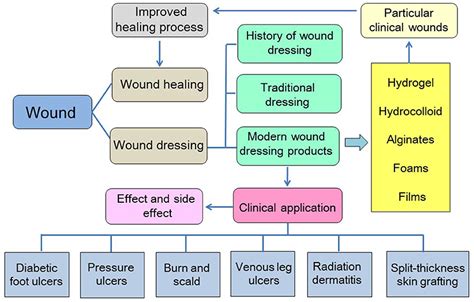
Beyond wound closure, skin adhesives are crucial for attaching medical devices, tapes, and patches to the skin. These adhesives must perform reliably on skin that varies in oiliness, texture, and sensitivity. Transparent adhesive tapes are commonly used for securing IV sites, post-operative monitoring, and protecting sensor patches, offering unobtrusive protection. Securement tapes are essential for holding cables, electrodes, and medical sensors in place, particularly in critical care settings where maintaining stable connections is vital for accurate readings.
Skin adhesives are typically formulated from silicone gel, acrylic, hydrocolloid, or hybrid adhesive systems. Silicone adhesives are favored for long-term use and sensitive skin due to their gentle yet secure hold. Acrylic adhesives provide strong, durable bonds for short-term or active applications. Hydrocolloids offer moisture management benefits, suitable for wound dressings. Hybrid adhesives can combine properties from different categories.
Adhesives intended for medical use undergo rigorous testing, including evaluations for skin irritation, sensitization, and wear duration. As wearable medical technologies advance, the adhesives used to secure them must also evolve to support extended wear, drug delivery systems, and biosensors.
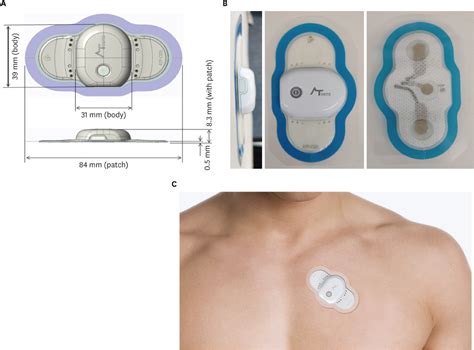
The development of skin contact adhesives has been driven by the unique demands of skin, including constant motion and regeneration. Innovations in polymer science have led to advancements in both medical-grade adhesives and those for bonding skin contact devices. Manufacturers often work with experienced suppliers to navigate the potential risks and obstacles in developing products for direct skin contact, ensuring the chosen adhesive chemistry aligns with the skin's characteristics for optimal device function and patient comfort.