The ancient Indian medical system, Ayurveda, places significant value on natural solutions for health and fitness, including skin care. Ayurveda believes keeping the skin healthy requires protecting it from harmful UV rays. However, store-bought sunscreens often contain harmful chemicals. Ayurveda has long used natural ingredients for skincare, and some herbs are especially known for protecting the skin from harmful UV rays and promoting skin health.
Ayurvedic Herbs for Sun Protection
Aloe Vera (Kumari)
Aloe vera, or "kumari" as referred to in Ayurveda, has a long history of being used to treat burns, wounds, and skin disorders because of its calming, cooling, and healing qualities. Aloin and aloe-emodin in aloe vera absorb UV rays and shield the skin. Moreover, aloe vera pacifies Vata dosha by reducing dryness and irritation with its moisturizing properties. You can apply the gel made from aloe vera leaves straight to your skin.
Turmeric (Haridra)
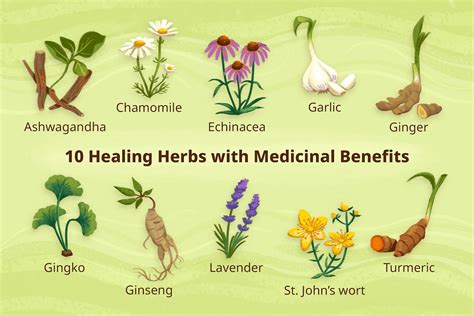
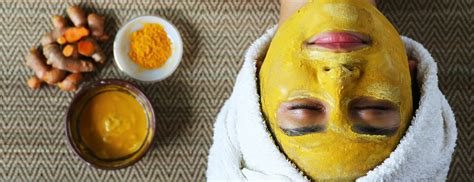
Turmeric, or Haridra, is renowned for its health benefits. As per Ayurveda, turmeric mainly regulates tridoshas: Vata, Pitta, and Kapha dosha. These benefits can be credited to the plant’s primary ingredient, curcumin. Curcumin has strong antioxidant qualities to shield the skin from UV-induced imbalance of free radicals and antioxidants. Additionally, curcumin neutralizes free radicals generated by sun exposure, thus preventing premature aging and skin damage. Create a paste by mixing turmeric powder with yogurt, honey, or aloe vera gel.
Sandalwood
Because of its healing qualities, sandalwood has been valued for millennia in Ayurvedic medicine. Sandalwood’s cooling and soothing nature makes it effective for Pitta Dosha, providing relief from heat and sun exposure. It soothes irritated skin, refreshes it, and reduces inflammation, making it an all-rounder for use after accidental UV exposure. Mix sandalwood powder with rose water (for Kapha-prominent skin) or milk (for Vata-prominent skin) to get a smooth consistency.
Neem (Nimba)
Neem, or Nimba, is prized for its antibacterial, antifungal, and anti-inflammatory properties. In Ayurveda, neem is regarded as a potent detoxifier, making it advantageous for preserving skin health. Neem balances Vata by hydrating and soothing dry skin with its bitter, cooling properties. For Pitta dosha, it lessens inflammation and removes heat and toxins that lead to skin issues like acne. Neem is a versatile herb when it comes to skincare. For patients with dry skin, applying neem oil provides hydration and sun protection.
Indian Madder (Manjistha)
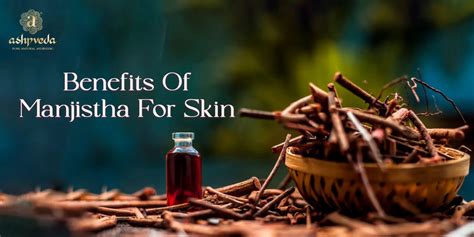
Indian madder, also known as Manjistha, is used extensively in Ayurvedic cosmetics because of its therapeutic and blood-purifying qualities. It is known for its ability to stimulate vibrant and healthy skin, offering natural UV protection and healing sun-damaged skin. As per Ayurveda, Manjistha is good for Pitta and Kapha Dosha. With its Pitta Dosha pacifying property, it reduces inflammation and detoxifies the blood, which helps with issues like acne and rashes. Moreover, Manjistha’s powerful cooling and healing properties are a wonderful remedy for sunburned skin. A simple paste made from Manjistha and Aloe vera gel, applied for just 15 minutes, can be beneficial for post-sun redness and discomfort.
Other Beneficial Herbs for Sun Protection
The long days of summer are almost upon us, and plants high in phytonutrients are strong allies for these sun-filled months. Many phytonutrients can decrease free-radical damage, strengthen skin cells, and mediate UV damage. These herbs don’t replace smart sun exposure such as limiting time in the full sun or wearing protective clothing, hats, and/or sunscreen.
Elderflowers (Sambucus nigra, S. cerulea)
Historically, elderflowers were popular for the skin, especially in facial serums, washes, and creams. They were well known for both softening and rejuvenating the skin. In addition to supporting healthy skin, elderflowers have the potential to protect against UV damage.
Rosemary (Rosmarinus officinalis)
Rosemary is famously called the herb of remembrance, with both historical and modern-day stories and studies showing its ability to support cognitive function. Rosemary extracts have been shown to be helpful against the sun’s UV damage. In one interesting study, researchers showed that taking an extract of rosemary and lemon internally decreased UV damage in humans. This study also showed the benefits of long-term use.
St. John's Wort
St. John's Wort has long been associated with the sun. Its bright yellow blooms are reminiscent of little stars on earth. Modern clinical trials have verified that a cream made from St. John’s Wort has the ability to protect the skin from the harmful effects of a sunburn. While many herbalists rely on St. John’s Wort for skin protection, there have been some cases of increased photosensitivity, which seems most common when using isolated chemical extracts rather than whole plant-based products.
Calendula
Calendula, with its bright orange and yellow blooms, is filled with photo-protective qualities as well as many other virtues that support the skin. Calendula can support already healthy skin, or aid skin that has been damaged. There are so many ways to enjoy calendula! You can infuse it into oil for creams, body butters, salves, or serums. Calendula can be used to maintain healthy skin and to improve elasticity and hydration. It can also be used to promote skin health after the skin has been severely damaged. A combination of calendula and St. John's Wort is often recommended.
Cacao
For best results, consuming chocolate with at least 85% cacao content, or eating cacao nibs or cacao powder is recommended. In addition to eating cacao and chocolate, using cacao butter externally leaves a lipid barrier on your skin, which helps to retain moisture and hydration for the skin. Cacao butter is the solid fat from a cacao pod that is often separated out in the manufacture of chocolates.
#1 Superfood Powder that Heals Your Body & Skin | Dr. Mandell
Important Considerations When Using Herbal Sun Protection
Ayurvedic herbs shield the skin from the sun naturally. Although herbs are majorly considered harmless, they can cause bad skin reactions, especially in people with sensitive or allergy-prone skin. Therefore, it is essential to perform a patch test before widespread application.
Patch Testing
Choose a discreet area: Select a small, hidden area of your skin, like the inner arm. Apply a small amount of the herbal preparation and wait for 24-48 hours to check for any adverse reactions such as redness, itching, or irritation.
Holistic Sun Safety Practices
Ayurvedic herbs offer natural sun protection, but they work best alongside other sun safety practices. These include seeking shade during peak sun hours, wearing protective clothing like hats and sunglasses, and avoiding prolonged sun exposure. Consistently using Ayurvedic herbs can improve your skin health and make it resilient against sun damage. However, always pay attention to how your skin reacts.