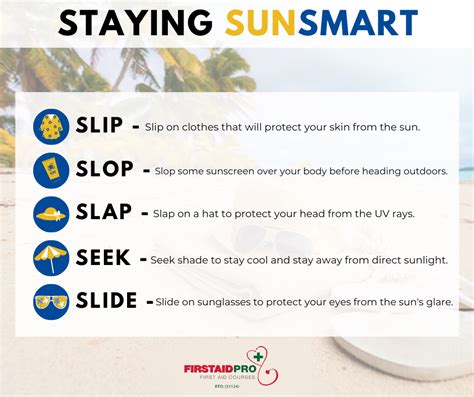
Australia experiences the highest rate of skin cancer globally, often referred to as our ‘national cancer’. Fortunately, most skin cancers are preventable, and sunscreen is a key component of sun safety. It is one of five essential SunSmart steps to significantly reduce your risk at any age. Sunscreen should be used when the UV index is above 3, regardless of the season.
For complete protection, sunscreen should be used in conjunction with protective clothing, hats, shade, and sunglasses. It is not a standalone shield but part of a comprehensive sun protection strategy.
Key Sunscreen Application Tips
To ensure you receive the best protection from sunscreen, follow these recommended application steps:
- Apply 20 minutes before going outside.
- Use an adequate amount: Approximately 7 teaspoons are needed for an adult's full body application. This translates to at least one teaspoon for each arm, leg, the front and back of the torso, and the face, neck, and ears.
- Cover all exposed skin: Ensure that all areas of skin exposed to the sun are covered, including often-missed spots like the ears and the backs of the hands.
Reapplication is Crucial for Maintaining Protection
Sunscreen protection diminishes over time and with exposure to water and friction. To maintain effective protection:
- Reapply every 2 hours when outdoors.
- Reapply immediately after swimming, sweating, or towel-drying, as these activities can remove sunscreen from the skin.
When the UV index is below 3, sunscreen is generally not required unless you work outdoors, spend extended periods outside, or are in environments with reflective surfaces like snow. You can check the daily UV index through local weather forecasts, the Bureau of Meteorology, or the SunSmart Global UV app.
Sunscreen for Infants and Babies
For infants under six months, sunscreen is typically not recommended due to their sensitive skin, which may be more prone to reactions. Instead, protection should be achieved through shade, hats, and protective clothing.
For babies older than six months, sunscreen should be used as a last resort after implementing other protective measures such as avoiding direct sunlight, wearing covered clothing, using a hat, and seeking shade. Even brief sun exposure without protection can cause damage and increase the risk of skin cancer.
Understanding Sunscreen Terminology
To make informed choices about sun protection, it's important to understand common sunscreen terms:
- SPF (Sun Protection Factor): This number indicates how well sunscreen protects the skin from sunburn. It is a guide rather than an exact measure. SPF 20 filters approximately 95% of UVB rays, while SPF 50 filters about 98%. Higher SPF ratings offer greater protection against sunburn. The SPF label is regulated by the Therapeutic Goods Administration (TGA), with SPF50+ being the highest label allowed in Australia.
- Water-resistant: This means the sunscreen remains effective on the skin during swimming or exercise for a specified period (e.g., '4 hours water resistant'). However, reapplication every two hours is still recommended for optimal protection.
- Broad-spectrum: Broad-spectrum sunscreens protect against both UVA and UVB radiation.
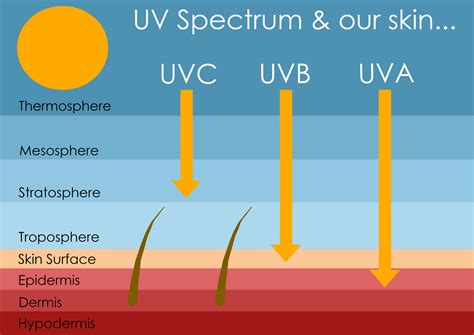
- UVA and UVB radiation: UVB radiation is the primary cause of sunburn, while both UVA and UVB contribute to increased skin cancer risk, skin damage, and premature aging.
- Solar UV radiation: This is invisible and cannot be felt as warmth, meaning overexposure can cause damage without detection.
- UV Index: This is a standardized measure of UV radiation intensity.
- ‘High’ vs ‘very high’ protection: SPF30, 40, and 50 sunscreens offer ‘high’ protection. SPF 50+ sunscreens, with an SPF of 60 or more, provide ‘very high’ protection. The '+' sign indicates 'more than'.
What is SPF?
The SPF number serves as a guide to a sunscreen's protection against sunburn. It reflects how much longer it would take for skin to redden when using sunscreen compared to not using it. When applied correctly, SPF 20 filters about 95% of UVB rays, while SPF 50 filters approximately 98%.
While Cancer Council recommends the highest possible SPF, it's important to note that the difference in protection between high SPF ratings is often misunderstood. Even an SPF 20 sunscreen provides significantly better protection than no sunscreen at all.
It is crucial to understand that SPF is not directly related to the duration of sun exposure but rather the amount of solar exposure. Factors such as the time of day, geographic location, and reflective surfaces influence solar intensity and the risk of sunburn.
What does ‘broad-spectrum’ mean?
UV radiation comprises different types. UVA radiation penetrates deeply into the skin, affecting the cells beneath the surface and contributing to long-term damage such as wrinkles, sagging, and skin cancer. UVB radiation is the primary cause of sunburn and also contributes to skin cancer.
Broad-spectrum sunscreens are formulated to filter both UVA and UVB radiation. It is essential to look for this labeling on the product. Sunscreens provide protection by creating a chemical barrier that absorbs or reflects UV radiation before it can harm the skin.
Sunscreens that are not broad-spectrum or have an SPF below 15 must carry a warning on their Drug Facts label: "Skin Cancer/Skin Aging Alert: Spending time in the sun increases your risk of skin cancer and early skin aging."
What is UV?
UV (ultraviolet) radiation is an invisible danger from the sun. Unlike visible sunlight or warmth, UV radiation can damage your skin and eyes without you being aware of it, even on cloudy or cool days. Excessive UV exposure leads to sunburn, skin damage, and skin cancer. The UV Index is the easiest way to determine when sun protection is necessary.
The UV index explained
How are sunscreens regulated in Australia?
In Australia, sunscreens are regulated by the Therapeutic Goods Administration (TGA) because they are considered therapeutic goods with the primary purpose of providing UV protection and reducing skin cancer risk.
The TGA mandates testing to ensure sunscreens are:
- Safe, effective, and of high quality.
- Formulated with only pre-approved ingredients.
- Accurate in their SPF claims.
- Contain the correct quantity of approved active ingredients before public release.
Therapeutic sunscreens must be listed or registered on the Australian Register of Therapeutic Goods (ARTG) to be legally supplied or sold in Australia, unless exempt.
Sunscreen Ingredients Glossary
Chemical UV Filters
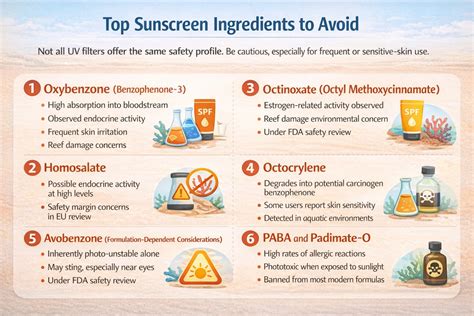
- Avobenzone: The only globally available chemical sunscreen that provides comprehensive UVA protection (covering both UVA1 and UVA2 ranges). It offers peak protection at 360 nm. However, Avobenzone is photounstable and degrades in sunlight, losing a significant portion of its UV-absorption capacity within an hour. This instability is a reason why sunscreens require reapplication. The cosmetic industry attempts to improve its stability by combining it with other UV filters (like octocrylene, Tinosorb S, or Ensulizole) or through encapsulation, though these solutions are not perfect. Combining Avobenzone with mineral sunscreens (titanium dioxide and zinc oxide) is not recommended. Avobenzone generally has a good safety profile, being non-irritating and showing no estrogenic effects.
- Homosalate: An oil-soluble chemical sunscreen agent that protects against UVB radiation (295-315 nm) with a peak protection at 306 nm. It is not a strong filter on its own, providing only SPF 4.3 protection at maximum concentration. In-vitro studies suggest potential estrogenic activity, prompting caution for long-term, full-body use for those preferring a 'better safe than sorry' approach.
- Octinoxate (Ethylhexyl Methoxycinnamate): A colorless to light yellowish oily liquid that functions as a UVB sunscreen filter (280-320 nm) with a peak absorbance at 306 nm. It is not a potent filter individually and is typically used in combination with other agents to boost SPF and solubilize solid UV filters. It has a good safety profile and is permitted at a maximum concentration of 5% in the US and Europe, and 10% in Japan.
- Octisalate (Ethylhexyl Salicylate): An oil-soluble chemical sunscreen agent that provides protection in the UVB and partly in the UVA II range, with a peak absorption of 304 nm. While not a strong standalone filter, it is quite photostable (losing only 10% of SPF protection in 95 minutes) and is often used to stabilize other photo-unstable UV filters, such as Avobenzone.
Mineral UV Filters
- Titanium Dioxide and Zinc Oxide: These are mineral UV filters. (Note: While mentioned in the context of Avobenzone combination, specific details about their filtering properties are not elaborated in the provided text.)
Other Ingredients
- Acrylates/C10-30 Alkyl Acrylate Crosspolymer: A polymer molecule related to Carbomer, it contains both water-loving (hydrophilic) and water-hating (hydrophobic) properties. This dual nature allows it to act as a thickener and an emulsion stabilizer, making it suitable for gel-type formulas and cleansers.
- Aloe Vera: Known for its moisturizing, anti-inflammatory, and some antibacterial properties. It also aids in wound healing and skin regeneration. While considered beneficial, some evidence is anecdotal, and its effects may be overhyped.
- Caprylyl Glycol: A common glycol that enhances the freeze-thaw stability of cosmetic products.
- Carbomer: A polymer of acrylic acid that thickens liquids into gels. It typically requires neutralization with a base (like sodium hydroxide) to achieve thickening, resulting in viscous, clear gels with a pleasant, non-tacky feel on the skin. It is a common and popular ingredient, usually used at 1% or less.
- Cetearyl Alcohol: A fatty alcohol that acts as an emollient, thickener, and emulsion stabilizer. It has a light, silky feel and spreads easily on the skin.
- Cocoa Butter (Theobroma Cacao Seed Butter): A rich emollient derived from cocoa seeds, known for its ability to moisturize and nourish dry skin. It is solid at room temperature and melts upon application. It contains fatty acids (oleic, stearic, palmitic), vitamin E, and polyphenols.
- Disodium EDTA: A chelating agent that helps stabilize products by neutralizing metal ions, preventing undesirable changes. It is often found alongside preservatives like phenoxyethanol.
- Ethylhexylglycerin: A preservative booster that works by neutralizing metal ions, helping to maintain product stability and longevity. It is frequently used in conjunction with phenoxyethanol.
- Fragrance: Added to cosmetic products to impart a pleasant scent. However, for those who prefer to know all ingredients or have sensitive skin, fragrance can be a concern as it is a common cause of contact allergies.
- Phenoxyethanol: A widely used preservative known for its safety and gentleness. It is an alternative to parabens and has been in use since the 1950s. It can be used up to 1% worldwide and is found naturally in green tea. It offers good thermal stability and works across a wide pH range (3-10). It is often combined with ethylhexylglycerin to enhance its preservative activity.
- Polyethylene: A common plastic molecule used in cosmetics as a white wax to provide hardness and slip to formulations. It was previously used as microbeads but was banned in 2015 due to environmental concerns. In its wax form, it thickens water-free formulas and raises the melting point of emulsions and balms.
- Sodium Hydroxide (Lye): A strong alkaline substance used in small amounts to adjust the pH of products, which is crucial for the efficacy of certain ingredients like AHAs or BHAs. It was historically used in soap making by ancient Egyptians.
- Tocopherol (Vitamin E): The most common form of pure vitamin E used in cosmetics, functioning as an antioxidant.
- Water (Aqua): The most common skincare ingredient, purified and deionized in cosmetic formulations to remove mineral ions. It typically serves as the main solvent.