Evening primrose oil (EPO) is derived from the seeds of the Oenothera biennis plant, which is native to North America and parts of Europe. It is recognized for its high concentration of omega-6 polyunsaturated fatty acids, notably linoleic acid and gamma-linolenic acid (GLA). These components are believed to possess potent anti-inflammatory properties that may contribute to the treatment and prevention of acne.
Acne vulgaris is a widespread skin condition, affecting a significant majority of adolescents and many adults. It is characterized as a chronic inflammatory disease impacting the skin's sebaceous glands and hair follicles. While numerous over-the-counter and prescription treatments are available, they can sometimes lead to undesirable side effects such as dry or irritated skin. Some individuals seek natural alternatives like EPO, hoping to alleviate acne symptoms without these adverse effects. However, it is important to note that robust clinical evidence supporting the use of EPO specifically for acne treatment is still limited.

Understanding How Evening Primrose Oil May Help Acne
EPO is thought to help manage acne by promoting a better balance between omega-6 and omega-3 essential fatty acids in the body. Essential fatty acids are crucial fats that the human body cannot synthesize on its own and must be obtained from dietary sources. EPO is particularly rich in omega-6 fatty acids, typically containing around 70-74% linoleic acid and 8-10% gamma-linolenic acid (GLA).
The Role of Linoleic Acid and GLA
Linoleic acid, an omega-6 fatty acid, plays a vital role in maintaining skin health by:
- Reinforcing the skin's natural barrier.
- Preserving moisture in the epidermis.
- Preventing skin infections.
- Regulating sebum production.
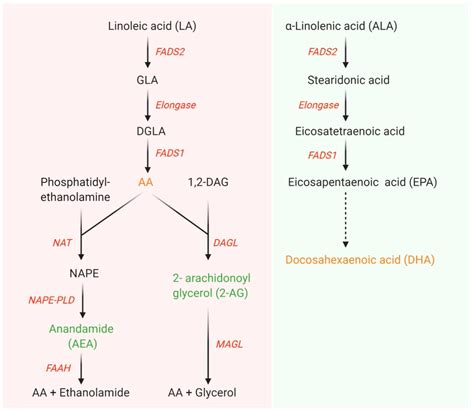
The body metabolizes linoleic acid into GLA, another fatty acid possessing anti-inflammatory and anti-microbial properties. Although skin cells lack the necessary enzymes for GLA synthesis, the liver produces GLA, which then travels to the skin via the bloodstream. Some research suggests that EPO not only contains linoleic acid but also GLA and delta-6-desaturase, potentially helping to counteract the negative effects of essential fatty acid deficiencies.
Forms of Evening Primrose Oil and Usage
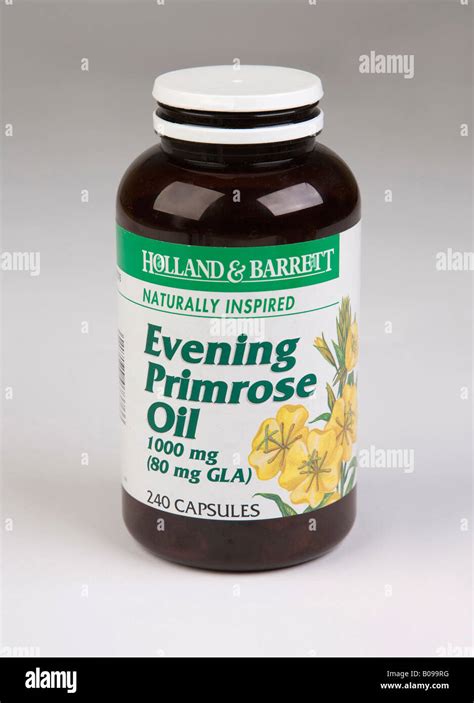
Evening primrose oil is accessible in two primary forms: oral supplements and topical solutions. It is important for consumers to be aware that the U.S. Food and Drug Administration (FDA) does not regulate dietary supplements, necessitating caution when purchasing these products. Consumers should always opt for products from trusted manufacturers.
Oral Supplements
For oral consumption, EPO is typically available in capsule form. Standard doses for adults generally range from 1 to 8 grams per day. However, dosage recommendations can vary between brands, making it essential to carefully read and follow the product's specific instructions. While generally considered safe for short-term use, the long-term safety of oral EPO is not yet fully established. Individuals planning extended use should consult with their healthcare provider.
Topical Application
Topical EPO can be applied directly to the skin as a spot treatment or incorporated into serums and moisturizers. For individuals with sensitive skin, it is crucial to perform a patch test before widespread application. This involves applying a small amount of the oil to an inconspicuous area of skin, such as the forearm or behind the ear, to check for any adverse reactions. If the patch test is successful, topical EPO can be applied to individual blemishes or mixed with a moisturizer for broader application.
It is important to distinguish EPO from evening primrose essential oil. Essential oils should never be ingested and must be diluted in a carrier oil before topical application.
Potential Benefits for Skin Health
While extensive high-quality clinical trials specifically investigating EPO as an acne treatment are lacking, secondary and anecdotal sources suggest potential benefits. The anti-inflammatory properties of GLA, coupled with the higher concentration of linoleic acid in EPO, may contribute to calming inflammatory acne. Research has also explored EPO's impact on skin hydration and barrier function. A 2014 study indicated that oral EPO supplementation helped reduce skin water loss in individuals taking isotretinoin, an acne medication known to cause dryness.
The compounds found in EPO may offer several skin benefits, including:
- Improved hydration and elasticity.
- Reduction in the appearance of wrinkles and fine lines.
- Soothing of itchy, dry, and irritated skin.
- Regulation of sebum production.
- Assistance in treating and preventing breakouts.
Some studies also suggest EPO may help improve skin hydration and reduce transepidermal water loss, contributing to overall healthier skin structure and function. Additionally, research indicates that EPO might help alleviate specific side effects associated with acne medications like isotretinoin.
Scientific Evidence and Limitations
Despite anecdotal claims and some preliminary research, the National Institutes of Health (NIH) notes that there is insufficient evidence to definitively support the use of EPO for treating acne or other health conditions. The effectiveness of EPO for specific types of acne, such as hormonal, cystic, or adult acne, remains unclear. More comprehensive clinical trials are needed to ascertain the efficacy and long-term benefits of EPO for various dermatological concerns.
Possible Side Effects and Precautions
While generally considered safe for short-term use, EPO can cause mild side effects in some individuals. These may include:
- Headache
- Stomach pain
- Nausea
- Diarrhea
- Skin irritation (especially with topical application)
The U.S. Food and Drug Administration (FDA) does not regulate supplements, emphasizing the importance of purchasing EPO products from reputable and well-established manufacturers. Opting for products certified by a third party can provide an additional layer of assurance.
Interactions and Special Populations
Certain individuals should exercise caution or consult a healthcare professional before using EPO:
- Pregnant women: EPO may increase the risk of certain pregnancy complications, and its use should be discussed with a doctor. Taking EPO in the later stages of pregnancy might potentially delay labor.
- Individuals taking blood thinners: EPO may slow blood clotting, potentially increasing the risk of bruising and bleeding when taken concurrently with medications like warfarin.
- Individuals with seizure disorders: EPO might lower the seizure threshold in some individuals.
- Individuals undergoing surgery: Due to its potential to increase bleeding, it is advisable to discontinue EPO use at least two weeks before a scheduled surgery.
- Individuals taking lithium: EPO may decrease lithium levels in the body, potentially reducing its effectiveness.
- Individuals taking certain HIV medications: EPO may affect how lopinavir/ritonavir is metabolized, potentially increasing its effects and side effects.
For breastfeeding individuals and children, it is advisable to consult a healthcare provider before administering EPO.
Alternatives to Evening Primrose Oil
For those seeking natural remedies for acne, several alternatives to EPO exist, including:
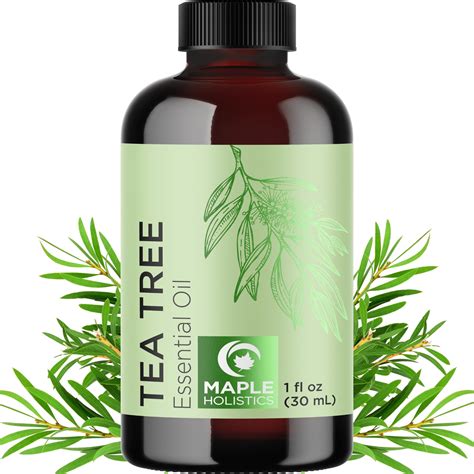
- Tea tree oil
- Witch hazel
- Aloe vera gel
The effectiveness of these plant-based products can vary depending on an individual's skin type. Consulting with a dermatologist can help identify the most suitable products and ingredients for specific skin concerns.
When to Consult a Healthcare Professional
Individuals experiencing skin symptoms that do not respond to at-home or over-the-counter treatments should seek professional medical advice. This includes the presence of persistent or severe acne, characterized by:
- Small red or white bumps
- Painful, inflamed skin lesions
- Soft, fluid-filled lumps under the skin
- Hard, painful nodules under the skin
A general practitioner can diagnose acne and recommend initial treatments, while a dermatologist can offer more specialized and personalized skincare solutions. A referral to a dermatologist may be necessary for severe or treatment-resistant acne.