The nose, as the central feature of the face, significantly influences one's perception of physical appearance. Even minor imperfections can lead to considerable dissatisfaction. These imperfections may include bumps, indentations, scars, a hooked appearance, a droopy tip, or irregularities resulting from previous nasal surgery.
Traditionally, these concerns were addressed through surgical rhinoplasty, commonly known as a nose job. While effective and permanent in the hands of an experienced surgeon, surgical rhinoplasty can evoke anxiety due to health concerns, the costs and downtime associated with surgery, fear of risks, or a desire for a non-permanent solution.
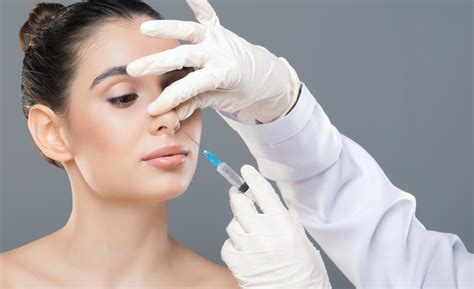
Non-Surgical Nose Jobs offer an exciting alternative for correcting mild to moderate nasal imperfections without invasive surgery. This procedure involves precise injections of Juvederm Ultra Plus XC, a dermal filler composed of hyaluronic acid. Hyaluronic acid is a naturally occurring sugar in the body that hydrates the skin and adds volume.
How Juvederm Works for Nasal Contouring
When injected into specific areas of the nose, Juvederm can:
- Mask bumps and straighten the nasal profile.
- Lift a droopy nasal tip.
- Reshape deformities to create a straighter appearance.
By harmonizing the nose with the rest of the face, Juvederm can create the appearance of a smaller, more balanced nose.
The Benefits of Juvederm Non-Surgical Rhinoplasty
A significant advantage of Juvederm Ultra Plus XC is the inclusion of the local anesthetic lidocaine, which enhances patient comfort during injections by numbing the area almost instantly. This reduces the need for additional anesthesia and shortens the overall treatment time.
The entire procedure typically takes about 15-20 minutes, with minimal pain, bruising, or swelling compared to traditional nose surgery. Results are often visible immediately, and patients can usually return to their normal activities without any downtime.
A follow-up appointment is usually scheduled around three weeks post-procedure to assess results and determine if any touch-up injections are needed for optimal outcomes.
Limitations of Non-Surgical Rhinoplasty
It is important to understand that non-surgical rhinoplasty with Juvederm has limitations. It cannot:
- Significantly shrink a large nose.
- Narrow wide nasal structures.
Therefore, individuals with major nasal deformities or those seeking substantial size reduction may not be suitable candidates for this procedure.
Safety and Procedure Details
Non-Surgical Rhinoplasty avoids the risks and complications associated with traditional surgery. As injections are superficial, there is no impact on nasal breathing. The procedure allows for precise reshaping and adjustments, without causing nosebleeds or persistent swelling, and typically results in no long-term scarring.
Unlike surgical rhinoplasty, where patients are under general anesthesia, non-surgical rhinoplasty allows the patient to be an active participant. Patients may be given a mirror to guide the procedure to their satisfaction.
Temporary Results and Candidate Considerations
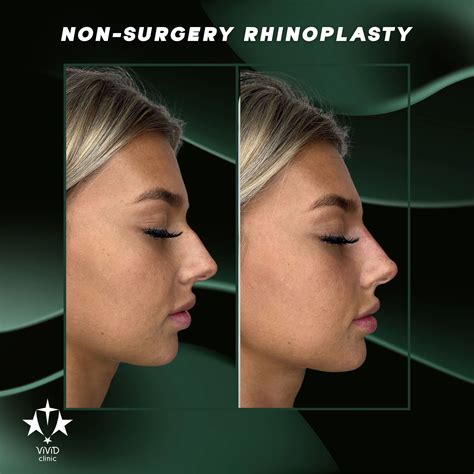
The effects of non-surgical rhinoplasty are temporary, with the filler gradually breaking down over time. If unsatisfied, the nose will slowly return to its original shape, typically within a year or more.
For those who have desired to correct minor nasal imperfections but were hesitant about surgery, non-surgical rhinoplasty presents a viable option. A consultation with a qualified practitioner is essential to discuss options, assess candidacy, and determine the best approach for individual goals.
Preparation for Non-Surgical Rhinoplasty
As an in-office procedure, preparation is minimal. Patients are often advised to stop taking medications that can increase bleeding, such as aspirin, Plavix, or ibuprofen products, about a week before the procedure.
Addressing Concerns About Nose Size
A common question is whether adding filler can make the nose look bigger. The principle behind injectable fillers for rhinoplasty is to contour the nose and smooth irregularities. By creating symmetry and proportion, the nose can appear more balanced and, consequently, smaller and more attractive in relation to the face.
Liquid Rhinoplasty vs. Surgical Rhinoplasty
Liquid rhinoplasty, also known as non-surgical rhinoplasty, is an outpatient alternative that offers aesthetic changes to minor nasal imperfections without traditional surgery. Performed without general anesthesia, it can be completed in as little as 15 minutes.
Liquid rhinoplasty uses dermal fillers to enhance and refine nasal contours. It is particularly ideal for individuals seeking to improve the nasal tip or conceal minor dorsal humps, provided they do not have breathing problems and desire a quick fix with no downtime.
While liquid rhinoplasty offers numerous benefits, it cannot reduce the size of the nose or remove any part of it. Surgical rhinoplasty, in contrast, addresses a wider range of concerns and can achieve more dramatic changes in nasal shape and size.
For surgical rhinoplasty, patients often seek solutions for breathing issues or a permanent change. Non-surgical rhinoplasty is best for those who do not have breathing problems and want a quick, non-invasive enhancement.
Choosing a Qualified Provider
It is crucial to choose a board-certified plastic surgeon or an experienced medical professional for non-surgical rhinoplasty. While the procedure itself is important, the post-treatment care and the provider's expertise are critical for achieving desired outcomes.
Patients are advised to avoid blood thinners, including certain vitamins or medications, for two weeks prior to the procedure. While not actual surgery, recovery time should be considered, and time off from work or other activities may be beneficial.
Using ice and certain supplements like arnica, bromelain, and vitamin K before and after the procedure can help minimize swelling or bruising.
Considerations for Previous Surgical Rhinoplasty Patients
Individuals considering liquid rhinoplasty after a surgical rhinoplasty should be particularly cautious. It is essential to choose a provider experienced in both surgical and non-surgical techniques, as the blood supply to the skin envelope can be altered after surgery, increasing the risk of vascular compromise.
Consulting with a member of the American Society of Plastic Surgeons (ASPS) can help ensure you find a qualified, board-certified plastic surgeon.
What to Expect with Juvederm for Nose Reshaping
Non-surgical rhinoplasty with Juvederm uses dermal filler to reshape specific areas of the nose without altering bone or cartilage. Juvederm is strategically placed to correct contour irregularities and improve overall facial balance. This approach is best for subtle refinement rather than structural reduction.
Because filler adds volume, careful planning is essential to ensure results enhance facial harmony without creating a heavy appearance.
Concerns Addressed by Non-Surgical Rhinoplasty
Juvederm can effectively address several cosmetic concerns related to nasal shape, including:
- Smoothing dorsal humps.
- Improving bridge symmetry.
- Enhancing profile balance.
- Creating a more defined nasal contour.
By filling around irregularities, the nose can appear straighter and more proportionate, relying on optical balance rather than physical reduction.
Limitations of Non-Surgical Rhinoplasty (Reiterated)
It is vital to understand the limitations:
- Juvederm cannot make the nose smaller.
- It cannot narrow wide nasal structures.
- It cannot correct functional breathing issues.
- It cannot replace surgical rhinoplasty for significant structural concerns.
Patients with substantial structural issues or functional problems may be better candidates for surgical consultation.
The Importance of Technique and Anatomy
The nose contains complex vascular structures, making advanced anatomical knowledge crucial for safe and effective non-surgical rhinoplasty. Precision in placement, depth, and product selection is paramount for both safety and aesthetic outcomes. This treatment should only be performed by experienced medical professionals with a thorough understanding of nasal anatomy.
Conservative dosing and careful technique minimize risks and support predictable results.
The Non-Surgical Rhinoplasty Procedure
Non-surgical rhinoplasty is typically performed in a clinical setting with no downtime. Most patients experience mild swelling or tenderness that resolves within a few days. Results are visible immediately, settling as swelling subsides. Because Juvederm integrates gradually, results often soften naturally over the following weeks.
Duration of Results
Juvederm used for non-surgical rhinoplasty is temporary, with results commonly lasting between nine months and over a year, depending on metabolism, placement, and product choice. Repeat treatments may be considered to maintain results, with ongoing assessment to avoid overcorrection.
Ideal Candidates for Non-Surgical Rhinoplasty
Ideal candidates typically:
- Desire subtle cosmetic refinement.
- Are comfortable with temporary results.
- Have realistic expectations.
- Do not require functional correction.
A consultation is essential to determine if non-surgical rhinoplasty aligns with facial anatomy and goals.
Making an Informed Decision
Non-surgical rhinoplasty with Juvederm can offer meaningful aesthetic improvement for the right candidate when performed with precision and care. Understanding its capabilities and limitations is key to achieving natural-looking results.
What are Fillers?
Fillers are cosmetic injectables designed to add long-lasting, natural-looking volume to the face or hands. Hyaluronic acid (HA) fillers, like those used in non-surgical nose lifts, are a popular choice. HA molecules are moisture-retentive and a vital component of full, youthful skin. HA injectables deliver healthy volume and encourage the stimulation of valuable collagen proteins.
What is the Non-Surgical Nose Lift?
A non-surgical nose lift uses fillers to augment targeted areas and smooth the tissue of the nose. The treatment is customized to address cartilage deficits, build tissue, and smooth nasal contours. Often, only a small amount of filler is necessary to achieve the desired look, resulting in a natural appearance where others simply find themselves more drawn to the lines of the face.
Results typically last for six months to a year, with the potential for extension through repeat treatments.
Benefits of Non-Surgical Nose Lift
Non-surgical nose lifts with hyaluronic acid fillers can:
- Improve facial symmetry.
- Add natural-feeling volume.
- Stimulate collagen production and improve skin function.
- Lift or reshape the tip of the nose.
- Straighten the nasal bridge.
- Improve the facial profile.
- Create the appearance of a smaller nose (by improving proportion).
- Draw attention to the eyes.
Types of Hyaluronic Acid Fillers
Several types of HA fillers can be used for non-surgical nose lifts, including Juvéderm, Restylane, and Perlane. The choice of filler depends on individual goals and specific aesthetic needs.
Consultation and Preparation
During a consultation, a qualified practitioner will examine your nose, discuss your goals, and recommend the most appropriate treatment plan. Preparation may involve discontinuing the use of non-steroidal anti-inflammatory medications to minimize the risk of bruising.
Procedure and Recovery
The procedure involves carefully injecting the chosen HA dermal filler into the appropriate areas of the nose. Topical anesthetic can be used for comfort. Immediately following the procedure, there will be visible improvement. No downtime is typically required, though mild bruising, swelling, or redness may occur and subside within a few days.
Frequently Asked Questions (FAQ)
What does a non-surgical nose lift cost? The cost varies depending on the amount of filler required to achieve desired results. A price estimate is provided after a customized plan is developed.
How long does a non-surgical nose lift last? Results typically last between one to two years, or more, and can be extended with maintenance treatments.
What can I use fillers for? Dermal fillers offer a variety of cosmetic applications, including improving dimensions, volume, and quality of the face and hands. They restore youthful volume, jumpstart collagen production, and achieve smooth texture and fullness.
Nose filler is a sophisticated non-surgical procedure using injectable dermal fillers, typically hyaluronic acid-based products, to temporarily reshape and refine the nose. Unlike surgical rhinoplasty, it offers immediate results without general anesthesia, incisions, or extended recovery. The nose's intricate vascular networks necessitate expert knowledge for safe navigation, making experienced injectors crucial.
Results typically last 9-12 months, requiring maintenance treatments. Achieving natural-looking results depends on precise injection techniques and artistic vision. A consultation assesses nasal anatomy and aesthetic goals to determine candidacy.
Juvederm, a leading dermal filler, is used for expert nose recontouring and shaping. As a smooth gel filler made from hyaluronic acid, it adds volume, smooths wrinkles, and enhances facial contours with long-lasting results. Non-surgical nose recontouring with Juvederm is a safe, minimally invasive alternative to traditional rhinoplasty, reducing risks and recovery time.
The procedure typically takes less than an hour. Juvederm's adjustability allows for further refinements if desired. The injection process involves carefully placing Juvederm into specific nasal areas. Post-treatment, slight swelling or redness may occur but typically subsides within a few days.