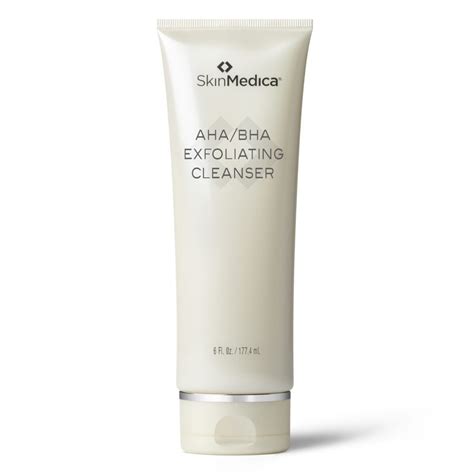
The SkinMedica AHA/BHA Exfoliating Cleanser is a daily facial cleanser formulated to effectively remove impurities, dead skin cells, and excess oil. This advanced formula combines alpha hydroxy acids (AHAs) and beta hydroxy acids (BHAs) to gently exfoliate the skin, revealing a smoother, brighter complexion. It is ideal for all skin types, particularly those with oily, acne-prone, or dull skin concerns.
Understanding AHAs and BHAs
Alpha Hydroxy Acids (AHAs)
Alpha hydroxy acids (AHAs) are a category of exfoliating acids. They are naturally derived from sources such as sugarcane (glycolic acid), milk (lactic acid), and fruits (citric acid). AHAs have gained significant popularity in skincare for their ability to minimize signs of skin aging, including fine lines, wrinkles, photoaging, and discoloration.
The most frequently used AHAs in skincare products include lactic acid and glycolic acid. These two are often combined for their multifaceted benefits, such as in treatments aimed at increasing cellular turnover for smoother, radiant skin.
Key AHAs and Their Benefits
- Lactic acid: Promotes the shedding of dead skin cells, enhancing skin smoothness, softness, and texture. It is also a component of the skin's natural moisturizing factor (NMF), aiding in moisture retention and hydration.
- Glycolic acid: With the smallest molecular weight among AHAs, glycolic acid penetrates the skin effectively. It is used in formulations to help prevent breakouts, improve skin texture, and minimize pore appearance.
Types of AHAs
There are seven types of AHAs commonly used in skincare products:
- Citric acid (from citrus fruits)
- Glycolic acid (from sugar cane)
- Hydroxycaproic acid (from royal jelly)
- Hydroxycaprylic acid (from animals)
- Lactic acid (from lactose or other carbohydrates)
- Malic acid (from fruits)
- Tartaric acid (from grapes)
While research on AHAs is extensive, glycolic and lactic acids are among the most promising and well-researched, often found in over-the-counter (OTC) products due to their lower likelihood of causing irritation.
Primary Functions of AHAs
AHAs are primarily used for exfoliation, which forms the basis for their other benefits:
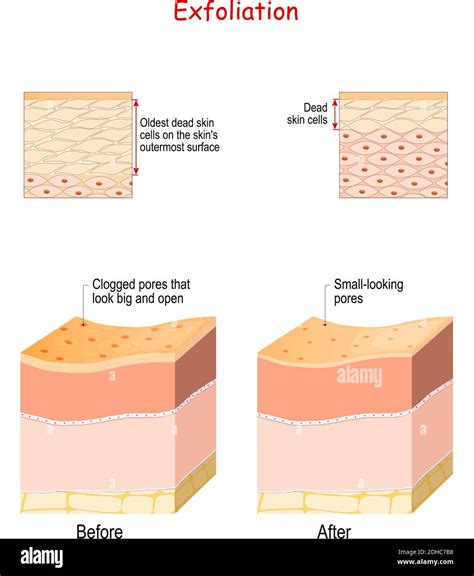
- Exfoliation: AHAs loosen the bonds between dead skin cells, promoting their shedding and revealing newer, brighter skin. This process helps combat dullness caused by dead skin cell accumulation.
- Promoting Collagen and Blood Flow: AHAs may help stimulate collagen production by aiding in the removal of old collagen fibers. They also possess anti-inflammatory properties that can boost blood flow to the skin, correcting pale or dull complexions.
- Correcting Discoloration: By promoting skin cell turnover, AHAs can help reduce the appearance of discoloration from age spots, melasma, post-inflammatory hyperpigmentation, and acne scars, as new, evenly pigmented skin cells are revealed.
- Improving Surface Lines and Wrinkles: AHAs help to smooth the skin's surface by removing dead skin cells and can contribute to increased collagen and elastin over time, making the skin appear plumper and reducing the appearance of fine lines.
- Preventing Acne Breakouts: AHAs exfoliate dead skin cells that can clog pores, helping to treat and prevent acne. They can also reduce the size of enlarged pores and improve the appearance of acne scars.
- Brightening Complexion: The removal of dead skin cells reveals fresher, more radiant skin.
- Increasing Product Absorption: By removing the barrier of dead skin cells, AHAs allow other skincare products, such as moisturizers, to penetrate more effectively and hydrate the underlying skin.
Beta Hydroxy Acids (BHAs)
Beta hydroxy acids (BHAs) are another category of exfoliating acids. In skincare, the term BHA almost exclusively refers to salicylic acid, the most widely used BHA ingredient. BHAs offer exfoliation benefits for various skin concerns, including rough or bumpy skin, acne, psoriasis, and seborrheic dermatitis.
Salicylic acid is naturally found in the bark of plants like white willow and wintergreen leaves. Its ability to promote natural shedding and loosen the "glue" holding skin cells together makes it effective for targeting rough or bumpy skin, psoriasis, and acne-prone skin.
Key BHA and Its Benefits
- Salicylic acid: Effectively exfoliates the skin by removing dead skin cells. It is particularly beneficial for acne as it can penetrate pores to unclog them, helping to clear blackheads and whiteheads. BHAs may also improve skin texture and reduce the shedding of skin cells within pores.
BHAs vs. AHAs: Key Differences
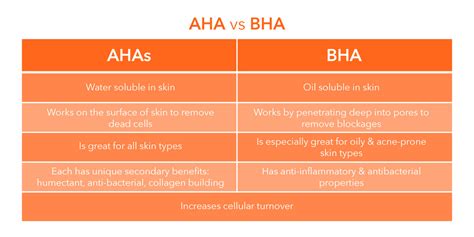
- Solubility: AHAs are water-soluble and work primarily on the skin's surface. BHAs, like salicylic acid, are oil-soluble, allowing them to penetrate the pores as well as work on the surface.
- Molecular Weight: BHAs generally have a larger molecular weight than AHAs, which can make them milder and potentially less irritating for some skin types. AHAs, such as glycolic acid, may pose a higher risk of irritation for sensitive skin due to their smaller molecular size.
How to Use the SkinMedica AHA/BHA Exfoliating Cleanser
To use the SkinMedica AHA/BHA Exfoliating Cleanser, simply apply a small amount to wet skin. Gently massage the cleanser into your skin using circular motions, and then rinse thoroughly.
Safety and Precautions
Concentration and pH Levels
The FDA recommends AHA products with an overall AHA concentration of less than 10 percent and a pH of 3.5 or above to help prevent side effects. Products with concentrations exceeding 15 percent AHA should be used with caution. Daily use products like serums and toners typically contain lower AHA concentrations (around 5 percent), while highly concentrated products like glycolic acid peels are used less frequently.
Potential Side Effects
When first using AHAs or BHAs, some individuals may experience minor side effects as their skin adjusts. These can include temporary burning, itching, blisters, dermatitis (eczema), dryness, flakiness, blotchiness, and increased sensitivity to other products. To reduce the risk of irritation, it is recommended to start by using AHA products every other day and gradually increase to daily application as your skin tolerates them.
Sun Sensitivity
Both AHAs and BHAs can increase your skin's sensitivity to UV light and the possibility of sunburn. It is crucial to protect your skin from the sun by consistently applying a broad-spectrum sunscreen with SPF 30 or higher every morning, regardless of weather conditions. Reapply sunscreen at least every two hours when spending extended time outdoors. Some products may contain SPF protection, but additional sunscreen application is still recommended.
When to Consult a Doctor
Consult your doctor before using AHA or BHA products if you have:
- Freshly shaved skin
- Cuts or burns on your skin
- Rosacea
- Psoriasis
- Eczema
Women who are pregnant or breastfeeding should also consult their doctor before use. If you have pre-existing skin conditions, it is advisable to consult a dermatologist or skincare specialist to determine the most suitable AHA or BHA for your skin type and goals.
Overuse and Over-Exfoliation
Overusing AHA or BHA products can damage the skin barrier, leading to signs of over-exfoliation such as irritation, burning, dryness, flakiness, blotchiness, uneven skin tone, and increased sensitivity. If these signs appear, discontinue use and seek professional advice.
AHAs vs. BHAs in Context of Other Exfoliation Methods
Exfoliation in skincare is broadly categorized into two main types: chemical exfoliation (including AHAs and BHAs) and physical exfoliation. Physical exfoliation involves using abrasive tools like brushes, scrubs, or cloths, which can sometimes be harsh and cause irritation. Chemical exfoliants like AHAs offer a gentler alternative for many skin types, including dry or sensitive skin.
HSA/FSA Eligibility
The SkinMedica AHA/BHA Exfoliating Cleanser may be eligible for purchase with Health Savings Account (HSA) and Flexible Spending Account (FSA) funds, depending on specific plan rules and regulations.