Psoriasis is a chronic skin condition that affects millions of people worldwide. It is characterized by the rapid buildup of skin cells, leading to thick, scaly, and often itchy patches on the skin. While there is no cure for psoriasis, various treatments and remedies aim to manage its symptoms and provide relief. Among these, apple cider vinegar (ACV) has gained attention as a potential natural remedy.
Understanding Psoriasis
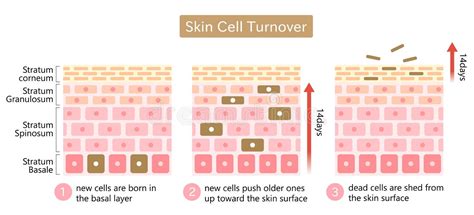
Psoriasis is an autoimmune disease where the immune system mistakenly attacks healthy skin cells, causing them to multiply at an accelerated rate. This overproduction of skin cells results in the formation of plaques, which are typically reddish-pink or purplish-brown with silvery-white scales on lighter skin tones, and may appear darker brown, purplish, or gray on darker skin tones. Symptoms can vary but often include:
- Reddish-pink or purple-brown patches of scaly skin
- Dry, cracked skin that may bleed
- Itching or burning sensations
- Thickened fingernails or toenails
- Swollen or stiff joints (in cases of psoriatic arthritis)
Emotional stress is a known trigger for psoriasis flare-ups, highlighting the importance of stress management techniques like meditation and yoga, which can also benefit those with psoriatic arthritis by improving joint pain and range of motion.
The Role of Apple Cider Vinegar in Psoriasis Management
Apple cider vinegar (ACV) is made from fermented apple juice and has been used for centuries as a natural remedy for various ailments. Its potential benefits for psoriasis are attributed to its antimicrobial, antioxidant, and exfoliating properties. Some believe ACV can help soothe the itching and irritation associated with psoriasis, particularly on the scalp.
The active component in vinegar is acetic acid, which may help kill bacteria and act as an exfoliant to remove dead skin cells, potentially reducing the scaliness of psoriatic plaques. The National Psoriasis Foundation (NPF) has noted that organic ACV may help alleviate scalp itch related to psoriasis.
While many anecdotal reports suggest ACV is effective, scientific research specifically on ACV and psoriasis is limited. Some studies on other inflammatory skin conditions, like atopic dermatitis, have shown no significant improvement in skin barrier integrity or changes in the skin microbiome after ACV use, and in some cases, mild irritation was reported.

How to Use Apple Cider Vinegar for Psoriasis
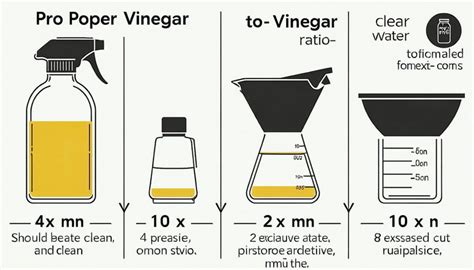
If you choose to try ACV for psoriasis, it is crucial to use it safely and correctly to avoid irritation or damage. Dilution is key, as straight ACV is highly acidic and can cause chemical burns.
Topical Applications:
- ACV Baths: Add approximately 2 cups of ACV to a lukewarm bath and soak for 15-20 minutes. Rinse with cool water afterward and moisturize with a gentle, fragrance-free product.
- Wet Wraps: Mix 1 cup of warm water with 1 tablespoon of ACV. Apply this solution to a gauze or clean cotton fabric and place it on the affected skin. Cover with a dry, clean fabric and leave on for 3 hours or overnight.
- Scalp Application: For scalp psoriasis, dilute ACV with water in a 1:1 ratio. Apply to the scalp several times a week. Rinse the scalp once the solution has dried. Avoid using on cracked, bleeding, or open wounds on the scalp, as this can cause further irritation and pain.
- Compresses: A dilution of ACV with water (e.g., 1 part vinegar to 3 parts warm water) can be applied as a compress to soothe inflamed skin.
Important Precautions:
- Always dilute: Never apply undiluted ACV to the skin. A 1:1 ratio with water is generally recommended for topical use.
- Avoid open wounds: Do not apply ACV to open sores, cracked skin, or bleeding areas, as it can cause significant burning and irritation.
- Patch test: Before applying to a large area, test a small, diluted amount on a specific patch of skin to check for any adverse reactions.
- Rinse thoroughly: After topical application, rinse the treated area with cool water.
- Eye contact: Be very careful to avoid contact with the eyes, as ACV can cause redness, irritation, and damage to the corneas. If contact occurs, rinse immediately and seek medical attention.
Consuming Apple Cider Vinegar:
Some individuals also consume ACV for its purported health benefits. It is believed to improve gut health and potentially reduce inflammation due to its probiotic content and antioxidants. However, research on the internal benefits of ACV is still ongoing, and studies have been relatively small. If you choose to drink ACV, always dilute it with water (e.g., 1 tablespoon of ACV in 8-10 ounces of water) to protect tooth enamel and the esophagus from potential damage. It is also advisable to rinse your mouth with water afterward.
Other Natural and Complementary Treatments for Psoriasis
Besides ACV, several other natural and complementary therapies may help manage psoriasis symptoms. It is important to consult with a healthcare provider before incorporating any new treatment, natural or otherwise, into your routine.
Topical Natural Remedies:
- Aloe Vera: Known for its soothing and moisturizing properties, aloe vera gel may help reduce redness and scaling. Look for products containing at least 0.5% aloe vera.
- Colloidal Oatmeal: Baths or pastes made with colloidal oatmeal can help reduce redness and itching.
- Epsom Salts/Dead Sea Salts: Adding these salts to a warm bath can help relieve inflammation and remove flaky scales. Moisturizing afterward is crucial.
- Coal Tar: Available in shampoos, ointments, and soaps, coal tar can calm inflammation and reduce itching. However, it can be greasy and stain clothing or skin. Consult a dermatologist before use, especially for children.
- Salicylic Acid: Found in cleansers and topical treatments, salicylic acid helps break down skin layers and decrease plaque thickness. It can also offer anti-inflammatory relief.
- Turmeric (Curcumin): The active compound curcumin in turmeric has anti-inflammatory properties that may help minimize psoriasis flare-ups. It can be taken as a supplement, often combined with black pepper for better absorption. Discuss with your healthcare provider before starting.
- Oregon Grape (Mahonia aquifolium): Some research suggests that this antimicrobial herb, found in topical treatments, may help improve mild to moderate psoriasis symptoms. A 10% cream has shown promise without significant side effects, but more research is needed.
- Tea Tree Oil: May have antiseptic qualities that relieve psoriasis when used topically or in shampoo.
- Olive Oil and Coconut Oil: Used for their moisturizing properties.
- Baking Soda: Can be used in baths to soothe skin.
- Indigo Naturalis: A traditional Chinese medicine that may possess anti-inflammatory properties beneficial for psoriasis.

Other Therapies:
- Moisturizer: Regular moisturizing, especially after bathing, is vital. Choose fragrance-free options and adjust thickness based on the season.
- Moisturizing Cleanser: Avoid harsh soaps and opt for gentle, moisturizing cleansers.
- Sunlight/Phototherapy: Controlled exposure to UV light can slow skin cell growth. While natural sunlight can help, it carries risks of sunburn and skin cancer. Medical phototherapy is administered under supervision.
- Dietary Changes: A healthy diet low in inflammatory foods (sugar, red meat, saturated fats, ultra-processed foods) may help manage psoriasis. Coffee, with its antioxidants, may also be beneficial.
- Supplements: Omega-3 fatty acids, vitamin D, selenium, and vitamin B12 have been linked to minor improvements in psoriasis symptoms, though more research is needed.
When to Consult a Healthcare Professional
It is essential to consult with a dermatologist or healthcare provider for a proper diagnosis and personalized treatment plan for psoriasis. While home remedies and natural treatments can offer complementary relief, they should not replace conventional medical care. Healthcare professionals can recommend a range of treatments, including:
- Topical Medications: Corticosteroids, vitamin D analogs, retinoids, calcineurin inhibitors, anthralin, and roflumilast cream.
- Phototherapy: Medical-grade light therapy treatments.
- Oral Medications: Such as methotrexate, cyclosporine, oral retinoids, deucravacitinib, and immunosuppressants.
- Biologic Agents: Targeted systemic drugs administered via injection or infusion that modulate the immune system.
Remember that not all remedies work the same for everyone, and what provides relief for one person may not for another. A trial-and-error approach, guided by a healthcare professional, is often necessary to find the most effective management strategy for your specific condition.