Full, sensuous lips should enhance a face and not overpower other aesthetic features. Lip augmentation should feel soft and supple, given the important function of one’s lips in daily activities such as eating, kissing, talking, and expressing emotions (smiling and pouting). You can achieve the look of bigger, fuller lips, the “Angelina Jolie”-style lips easily. Nurse Injectors use a conservative aesthetic eye that focuses on the shape, style, balance, and harmony between both the upper and lower lips and how the lips fit a particular face. They pay special attention to facial expressions and how the lips complement those expressions. The first step to treating your lips is knowing what aesthetic goals you wish to accomplish! Depending on the shape, size, and feel you would like to have, can help you determine which filler option is the best for you.
Augmentation of the lips is a procedure that has been discussed since the beginnings of the 20th century. During these days, the practice was relatively primitive, with small incisions being made to help give the impression of an increased lip size. The practice of enhancing the lips using cosmetics goes back into prehistory, of course, but surgical solutions are relatively recent.

Types of Lip Augmentation Procedures
Lip augmentation is a cosmetic procedure that enhances lip size, shape, and overall appearance. Lip enhancements can be achieved through various techniques, including non-surgical methods like autologous fat transfer or lip fillers, and surgical intervention, such as lip lifts. Every year, thousands of Americans turn to lip augmentation. Many individuals desire plumper lips for a more youthful and attractive appearance. If your lips are naturally uneven or asymmetrical, lip augmentation can help balance their appearance. Well-proportioned lips can contribute to overall facial harmony and balance. For many, lip augmentation enhances physical appearance and self-confidence.
Dermal Fillers
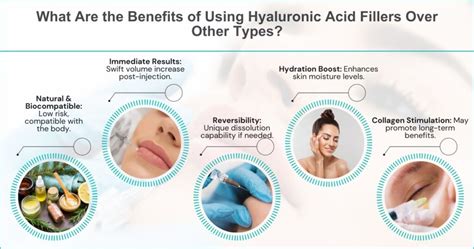
Dermal filler is a general term used to describe a wide variety of non-surgical, minimally-invasive treatments that are available on the market today. Many of the fillers used for lip augmentation are made of hyaluronic acid (HA), a substance that is naturally produced in the body. It serves to provide lubrication to the joints, preserving the integrity of joint cartilage. However, one of its main functions is within the skin: it acts as a moisturizer for the connective proteins in the dermis layer. Dermal fillers with HA actually bind to your skin’s connective proteins, like collagen and elastin, to provide more structure to the extracellular matrix-all of the area surrounding the skin’s cells. The matrix contains various molecules, minerals, and proteins necessary for cell communication and healing processes. In addition, HA is also capable of invoking a boost in the amount of fibroblasts within the dermis, cells that create the collagen and elastin fibers.
Lip augmentation with fillers provides several benefits, making it one of the most popular forms of dermal filler. It adds volume, definition, and shape to the lips. This makes your facial features more proportional and balanced, creating a more youthful appearance. It provides fullness, which can treat lip lines and wrinkles. It is very customizable, gives immediate results, and has little to no side effects.
The results of hyaluronic acid fillers can be reversed with an enzyme called hyaluronidase, but there isn’t a reliable way to reverse collagen fillers.
Dermal fillers in the lips don’t typically cause much pain because the fillers are mixed with lidocaine, an anesthetic.
Popular Dermal Filler Options for Lips
- Juvederm Ultra XC: A popular choice for adding significant volume and definition.
- Juvederm Volbella XC: Designed for softer, more subtle enhancement and improved symmetry.
- Restylane Kysse: Specifically formulated for the lips, offering natural movement and flexibility.
Although these fillers have different formulations, they have all been FDA-approved for use in the lips and/or to treat wrinkles around the mouth.
While there are a number of commercial fillers on the market, lip augmentation often involves Restylane or Juvéderm Ultra XC. Both fillers use hyaluronic acid, which helps control lip volume, reduces bruising, and leaves you with great results that last longer. In the past, collagen was the common filler used in lip augmentation, but hyaluronic acid-based fillers have paved the way for better results that last longer.
Restylane is a hyaluronic acid filler known for its ability to retain water, giving lips better definition and lift. While results may vary for clients, you can expect this lip booster to last for six to nine months. Juvederm Ultra XC has a higher concentration of hyaluronic acid compared to Restylane. Using this advanced filler gives clients’ lips a softer, more plump look with healthy volume that lasts longer than Restylane treatments, leaving clients with fuller lips for up to one year.
Fat Transfer (Lipo-filling)
Fat grafting, also known as fat transfer or lipo-filling, involves harvesting fat from another area of the patient’s body, such as the abdomen or thighs, processing it, and injecting it into the lips to add volume. A plastic surgeon performs a fat transfer from another area of your body-commonly your stomach-purifies it and injects it into your upper lip and lower lip.
Since it uses the patient’s body fat, the risk of allergic reactions is significantly reduced. It provides a natural-feeling result, making the lips feel soft and not “overdone.” The longevity of fat grafting transfer results can vary. While some fat gets absorbed, a significant portion remains, leading to long-lasting results.
Fat grafting is a more permanent solution to lip augmentation but requires a trip to the OR, has considerable swelling for a week or two, and some of the transferred fat may disappear, requiring further fat grafting. Many patients try fillers first, and if they like the look, consider fat grafting for a more long-lasting result.
Lip Lift Surgery
The lip lift is a surgical procedure that involves making incisions to elevate the position of the lips and adjust their shape. This procedure provides a more permanent solution for a youthful lip appearance. It can enhance the lip’s curvature, expose more of the pink part of the lip, and reduce the space between the nose and the upper lip.
What to Expect During the Lip Augmentation Treatment
Consultation
Before any procedure, it’s standard practice to consult with the specialist. It is your opportunity to discuss your desires, ask questions, and understand the best treatment options for your needs. The specialist will evaluate your lips, consider your medical history and good health, and recommend the most suitable treatment.
Pre-Treatment Preparation
Based on the selected treatment, you might receive guidelines to follow in the days leading up to the procedure. It could include avoiding certain medications or supplements that increase bleeding, refraining from alcohol, and ensuring your lips are well-moisturized. Please let your doctor know if you have ever experienced a cold sore outbreak so they can prescribe you an antiviral medication.
General guidelines you should follow prior to your lip treatment include avoiding blood-thinning supplements and medications in the week leading up to your procedure. This will help mitigate any bruising you may experience immediately afterward. During this time, you should also refrain from using retinoid creams, removing your facial hair, and sun exposure.
The Procedure
Most lip rejuvenation treatments are outpatient procedures, meaning you won’t need an overnight stay. These are typically conducted in a comfortable setting in the doctor’s office, whether injectable fillers, laser treatments, or other methods.
To ensure patient comfort, topical or local anesthesia is often applied. It helps numb the lip area, making the procedure more tolerable. You might feel a slight cold sensation, a minor pinch, or pressure depending on the treatment.
Dermal Filler Procedure: Using a fine needle, the practitioner will inject the lip filler into the upper and lower lips to enhance volume or shape. It usually takes around 15-30 minutes. After each injection, you may bleed a small amount, and your injector will quickly cleanse it before administering the next injection. Usually, patients only require one syringe of filler since a little goes a long way. Your injector may gently massage the lips to ensure that the hyaluronic acid or collagen spreads evenly. Within just a few minutes, the procedure is over.
Laser Treatments: The specialist will use a handheld device to direct laser beams at the lips, stimulating collagen production and improving texture. Each session might last 30-60 minutes. Multiple sessions might be required to achieve the desired results.
Natural Lip Injections with Juvederm Volbella
Immediate Aftercare
The specialist might provide a cold compress post-procedure to reduce immediate swelling or discomfort. They’ll also share guidelines for the first 24 hours-like avoiding hot foods or beverages, strenuous activities, and direct sun exposure. After your dermal filler treatment, it’s likely that you’ll feel a little tender and swollen. In order to best prevent infection, you should aim not to touch your lips, keep your skin as clean as possible with soap and water, and postpone putting on makeup.
Recovery Experience
While many experience little to no downtime, it’s not uncommon to have slight swelling, tenderness, or redness immediately after the procedure. Most of these symptoms subside within a few days. Following the post-procedure care recommendations is crucial to ensure optimal healing and results.
During the first 24 hours after lip implant surgery, patients may experience swelling, bruising, and mild discomfort around the treatment zone. It is common to feel tightness in the lips, and the area might appear puffy. Cold compresses can help reduce swelling, while pain medication is used to manage discomfort. The initial swelling and bruising typically subside by the end of the first week. However, patients may still experience some tenderness and mild discomfort. The sutures used to close the incisions usually dissolve. Following post-operative care instructions, such as avoiding excessive lip movement and refraining from strenuous activities that could affect healing, is essential.
Between weeks 2 and 6, the lips continue to heal, and any remaining swelling or residual bruising fades. The final shape and fullness of the lips become more noticeable as the tissues settle into place. Sensitivity may still be present, and patients are advised to avoid activities that could pressure the lips. While the risk of complications decreases significantly during this time, follow-up appointments with your doctor are recommended to monitor the healing progress.
Though dermal fillers don’t call for any downtime, you should be extra careful to avoid over-exerting yourself; sweat and heat can affect your results negatively. You should also refrain from drinking alcohol since it can thin your blood and contribute to bruising.
Post-Procedure Care
- Icing: Apply cold compresses to reduce swelling.
- Avoid Strenuous Activities: Refrain from intense physical exertion.
- Limit Sun Exposure: Protect your lips from direct sunlight.
- Moisturize: Keep the lip area hydrated as recommended by your provider.
Your injector may recommend that you apply a prescription ointment or serum several times a day to keep the skin moist.
Understanding the Possible Side Effects of Lip Treatments
After any visit to the clinic for lip augmentation, you can expect some bruising and swelling before you get your final result. These side effects are not a cause for alarm and are common for anywhere from a few days up to two weeks. In more serious cases, clients could experience prolonged swelling, lip asymmetry, lumps and irregularities, or an allergic reaction. If you experience extreme swelling or develop a fever after a lip augmentation procedure, you should contact your doctor immediately.
The good news is lip augmentation often relies on hyaluronic acid-based fillers, which result in less bruising and swelling compared to other types of fillers. There is also a reduced likelihood of allergic reaction as the filler is made from substances similar to those found in your own body.
- Swelling
- Bruising
- Redness
- Unevenness
- Allergic Reaction
- Numbness or Tingling
- Lumps or Bumps
Choosing the Right Plastic Surgery Specialist
The Role of the Specialist
At first glance, lip rejuvenation might seem straightforward. However, understanding the intricacies of the lips, the balance of facial features, and the science behind rejuvenation requires a blend of artistry, experience, and medical expertise. Thus, the practitioner’s role is paramount.
Board Certification Matters
A board-certified dermatologist or plastic surgeon undergoes rigorous training and exams. Board certification ensures the practitioner has met and maintained specific standards in their field, guaranteeing competence and skill.
Experience in Lip Rejuvenation
While a practitioner may be board-certified, ensuring they have substantial experience, specifically in lip rejuvenation, is equally important. The more procedures they’ve successfully performed, the more adept they’ll be at tailoring the procedure to individual needs, ensuring natural and pleasing results.
Check Reviews and Before-After Photos
Real patient testimonials and before-after photos can provide invaluable insights into a practitioner’s expertise. These can offer a glimpse into the results you can expect and the experience of previous patients.
The Facility and Team
A reputable practitioner will also operate in a clean, certified, professional facility. Their team should be knowledgeable, courteous, and supportive. Remember, the quality of care isn’t just about the procedure and the overall patient experience.
Cost vs. Quality
While it might be tempting to opt for more affordable options, when it comes to medical procedures, the adage “you get what you pay for” often rings true. It’s essential to view lip rejuvenation as an investment in yourself. While budget considerations are valid, they shouldn’t come at the expense of quality and safety.
tags: #lip #augmentation #doctors