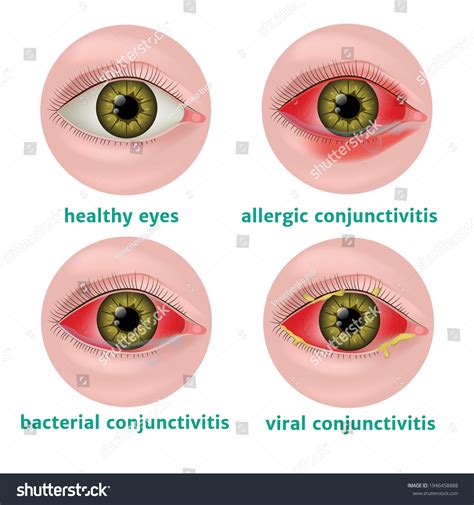
Dry or scaly skin near the eye may indicate eczema, a condition also known as atopic dermatitis or atopic eczema. Factors that can contribute to eczema include family history, the environment, allergies, and external substances such as makeup or moisturizers. Some forms of eczema are long-term, while others resolve with treatment. Treatments typically include home remedies and prescription drugs. It is important to consult a doctor if you have severe eczema near your eye.
Understanding Eczema and Its Types
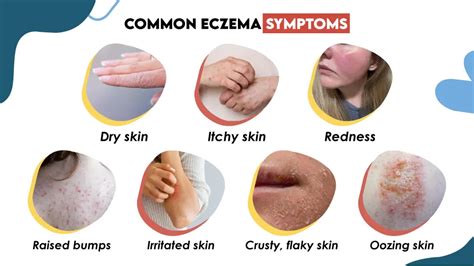
Eczema is a common skin condition characterized by red, itchy, dry, cracked, and inflamed patches of skin. In severe cases, blisters can also form. While there is no known cure for eczema, various treatment and symptom management options are available. The skin around the eyes is particularly sensitive and vulnerable, making eczema in this area especially bothersome.
Common Types of Eczema
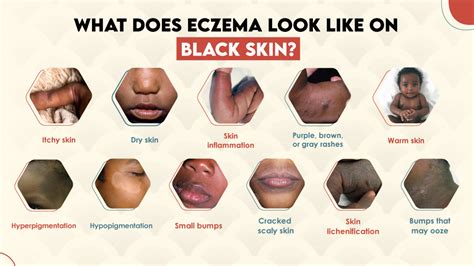
- Atopic dermatitis: This is a long-lasting type of eczema that can affect people of all ages. It is believed to be caused by a combination of genetic predisposition, the immune system, and environmental factors. Around 1 in 10 people in the United States have it, and it is more common in non-Hispanic Black children. Atopic dermatitis can lead to scaly patches and an extra fold of skin under the eyes.
- Contact dermatitis: This occurs when the skin comes into contact with an irritant or allergen, such as cosmetics. Anyone can be affected. Contact dermatitis can cause irritation and discoloration, like redness, around the eyes.
- Seborrheic dermatitis: This is a chronic skin condition not caused by an allergy or poor hygiene. It may stem from other health conditions, yeast on the skin, stress, or the environment. Seborrheic dermatitis may result in scales that can flake off.
All of these forms of eczema can affect the eye area. The skin surrounding the eyes is thin and has a barrier to protect against allergens or foreign substances. However, this barrier can be impaired in some individuals, leading to increased sensitivity and inflammation in the eye area, even if other parts of the body are unaffected.
Symptoms of Eczema Around the Eyes
Symptoms of eczema around the eyes can vary but often include:
- Itchy, dry skin
- Swollen skin, which may appear red on light skin tones and dark brown, purple, or gray on dark skin tones
- Thickened skin
- Irritated eyes that may burn and sting
- Raised bumps
- Blisters
Causes and Triggers of Eczema
The exact cause of eczema is unknown, but it is believed to be initiated by a combination of genetic and environmental factors. People with eczema may have a hyper-reactive immune system that creates inflammation when certain triggers are present.
Factors Contributing to Eczema
- Family history: A family history of eczema, allergies, asthma, or hay fever increases the likelihood of developing eczema.
- Environment: Cold temperatures, pollution, and extreme temperatures can aggravate the condition.
- Triggers for Contact Dermatitis: These can include makeup, lotions, soaps, shampoos, nickel (found in personal grooming tools), dust, chlorine, sunscreen, fragrances, and extreme temperatures or humidity.
It's important to note that eczema is not a contagious condition.
Diagnosis of Eczema Around the Eyes
A doctor typically diagnoses eczema around the eyes by reviewing your symptoms, health history, and any other affected body areas. If contact eczema is suspected, the doctor will inquire about substances you are exposed to at work and home, as well as any products you use on your skin. A patch test may be conducted to identify potential allergens.
Treatment Approaches for Eczema
Treatment for eczema around the eyes focuses on calming the affected area, eliminating itching, and preventing future flare-ups. The approach may vary depending on the type of eczema.
Home Remedies and Over-the-Counter (OTC) Treatments
Many home remedies and OTC medications can help alleviate eczema symptoms. However, it is crucial to consult a doctor before proceeding, especially for treatments around the sensitive eye area.
- Aloe vera gel: Known for its antibacterial, antimicrobial, and wound-healing properties, aloe vera gel can help soothe eczema.
- Apple cider vinegar: When diluted, it may help with eczema, but caution is advised due to its acidity. It can be used in wet wraps or baths.
- Bleach baths: Research suggests that mild bleach baths may help ease eczema symptoms due to their antibacterial and anti-inflammatory effects, potentially reducing the need for topical corticosteroids or antibiotics.
- Colloidal oatmeal: This has antioxidant and anti-inflammatory properties that can reduce dryness, scaling, roughness, and itch intensity. It can be added to warm baths.
- Bathing: Regular bathing provides essential moisture. However, avoid using water that is too hot or cold, irritating soaps, and ensure proper moisturizing afterward.
- Coconut oil: Contains beneficial fatty acids that moisturize the skin and may help prevent inflammation.
- Honey: A natural antibacterial and anti-inflammatory agent that can aid in wound healing and fight infections.
- Tea tree oil: Possesses anti-inflammatory, antibacterial, and wound-healing properties, though its direct effect on eczema symptom reduction is not fully clear.
- Corticosteroids (OTC): Can treat itching, but use with caution around the eyes and consult a doctor or pharmacist.
- Antihistamines: Can help with allergic reactions and reduce itching and inflammation.
Aveeno Eczema Bath Soak Review 🛁 Colloidal Oatmeal Treatment for Itchy, Irritated Skin
Prescription Treatments
For moderate to severe eczema, prescription medications may be necessary. These can include:
- Topical corticosteroids
- Oral corticosteroids
- Topical calcineurin inhibitors (TCIs)
- Prednisone
- Ultraviolet light therapy
It is important to note that some prescription treatments, particularly prolonged use of steroid creams, may carry risks such as an increased chance of developing glaucoma.
Lifestyle Changes and Preventive Measures
In addition to medical treatments, certain lifestyle changes and strategies can help manage eczema symptoms and prevent flare-ups:
Dietary Changes
Incorporating anti-inflammatory foods such as fish, leafy greens, beans, lentils, colorful fruits, and vegetables, as well as spices like turmeric and cinnamon, may help reduce eczema flares.
Skincare Practices
- Use gentle, no-lather, fragrance-free cleansers.
- Avoid products with rough particles for scrubbing or exfoliating.
- Keep facial skin care simple, using a leave-on emollient as a cleanser and moisturizer.
- Avoid washing the face with soap or using perfumed face creams.
- When removing eye makeup, use an emollient on a damp cotton pad.
Environmental Adjustments
- Avoid strong heat sources: Heat and low humidity can dry the skin and worsen eczema. Maintain consistent home temperatures and use humidifiers.
- Skin protection in cold weather: Cold, harsh winds can dry out the skin. Keep the skin covered and consider wearing a scarf for facial protection.
- Comfortable fabrics: Opt for soft, breathable fabrics like 100% cotton, bamboo, or silk. Avoid wool, polyester, and nylon, which can irritate the skin.
Behavioral Strategies
- Avoid scratching: Repeated scratching can impede healing. Consider habit reversal training if scratching is a persistent issue.
- Stress management: Techniques such as learning to say "no," avoiding alcohol, spending time in nature, exercising regularly, and expressing feelings can help reduce stress.

Eczema in Babies and Children
Many home remedies are suitable for babies and children, but always consult a doctor before use. Key considerations include:
- Avoid dressing babies too warmly to prevent sweating, which can aggravate eczema.
- Use mittens to prevent infants from scratching.
- Frequently apply a gentle moisturizer, avoiding the eyes and nose.
- Use fragrance- and alcohol-free baby wipes and shampoos suitable for eczema-prone skin.
- Colloidal oatmeal baths are generally safe, but keep water out of the eyes.
- Avoid bathing infants too frequently.
Other Conditions Affecting the Eye Area
It is important to distinguish eczema from other conditions that can cause rashes or irritation around the eyes:
Blepharitis
Blepharitis is eyelid inflammation with various potential causes, including bacterial infections or medication side effects. Symptoms include itchy, inflamed, or oily eyelids, burning sensations, red eyes, and crusting on eyelashes.
Allergic Conjunctivitis
This is an inflammation of the conjunctiva caused by allergens like mold, pollen, or fragrances. Symptoms include red, itchy, burning eyes and puffy eyelids, especially upon waking.