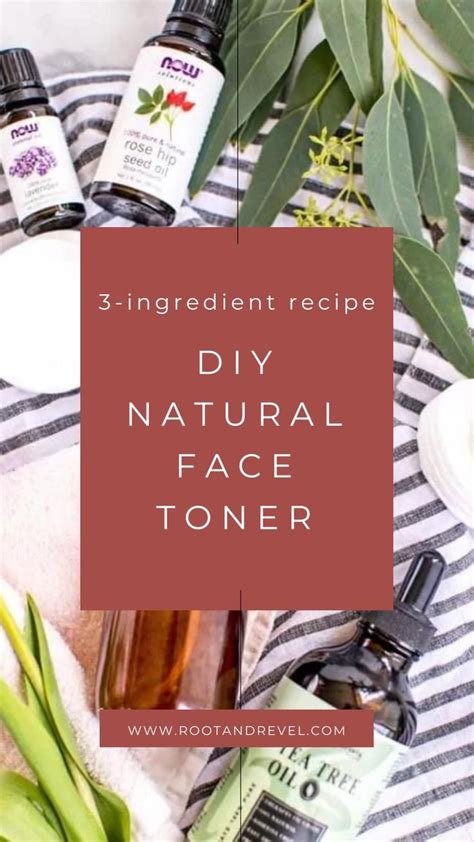
Creating your own skin toner at home can be a rewarding addition to your skincare routine, offering a natural and customizable alternative to store-bought options. While toners are a common step in many skincare regimens, their exact purpose can sometimes be unclear. Toner is typically a liquid, similar in appearance and feel to water, though it may not always be transparent. When used immediately after cleansing, toner serves several key functions:
- Helps to dissolve any remaining soap residue.
- Neutralizes your skin’s potential hydrogen (pH) levels, which can fluctuate throughout the day.
- Visibly reduces the appearance of pores.
Applying toner right after washing your face ensures that your skin is extra clean and prepared to absorb subsequent skincare products more effectively. There is no need to rinse off toner; in fact, it works best when allowed to absorb naturally into the skin.
This article will guide you through the process of making your own DIY toners at home and highlight some beneficial ingredients you can use. If you know specific ingredients that work well for your skin, incorporating them into a homemade toner is an excellent approach.
Important Considerations for DIY Toners:
Due to the absence of preservatives in homemade toners, it is crucial to store them in the refrigerator and discard them after 2 to 3 days to ensure freshness and prevent spoilage. Before applying any new ingredient to your face, always perform a skin patch test. Wait at least 30 minutes to observe how your skin reacts before proceeding with full application.
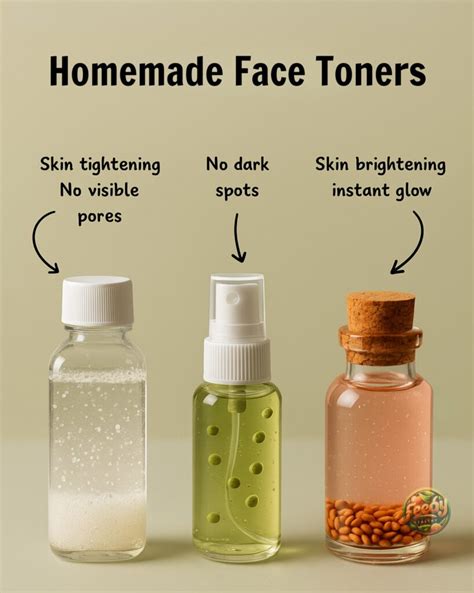
Key Ingredients for DIY Skin Toners
Many common household ingredients can be transformed into effective and beneficial toners. Below is a breakdown of popular choices and their properties:
1. Witch Hazel
Witch hazel is renowned for its ability to soothe the skin, potentially reducing irritation, inflammation, and the appearance of acne. You can apply pure witch hazel directly to your face using a cotton pad or a spray bottle. It is also effective in reducing the visibility of pores.
DIY Witch Hazel Toner Recipe:
- 4 tbsp. alcohol-free witch hazel
- 2 tbsp. aloe vera
- A few drops of your favorite essential oil (optional)
Thoroughly mix these ingredients and store them in a spray bottle. Apply to your face using clean hands or a cotton pad.
2. Aloe Vera
Aloe vera is known for its skin-brightening properties and its potential to combat acne. It is also moisturizing, making it an excellent choice for individuals with dry skin. This ingredient is particularly beneficial for sensitive skin, offering hydration and antioxidant protection that may help calm redness.
DIY Aloe Vera and Rose Water Toner Recipe:
- 1/2 cup rose water
- 1/2 cup aloe vera
Mix these ingredients well and apply to clean, dry skin.
3. Essential Oils
Essential oils can enhance DIY toners with pleasant scents and offer therapeutic benefits for the skin. Tea tree oil is a popular choice for acne treatment, but it is potent and may cause a tingling or burning sensation on irritated skin. Always dilute essential oils with a carrier oil to avoid skin irritation.
Other beneficial essential oils include:
- Lavender
- Chamomile
- Clary sage
- Geranium
- Sandalwood
- Rose
- Jasmine
DIY Essential Oil Toner Recipe:
- 1 tbsp. witch hazel
- 1/2 tsp. vitamin E oil (may help with acne scars)
- 3 drops of lavender essential oil
While research suggests potential health benefits of essential oils, it's important to note that the FDA does not regulate their purity or quality. Consult with a healthcare professional before using essential oils and always research the quality of the brands you choose. Perform a patch test before applying any new essential oil to your skin.
4. Rose Water
Rose water can naturally balance your skin’s pH, which can become disrupted by harsh cleansers or exfoliators. It is gentle, hydrating, and offers a pleasant aroma.
DIY Rose Water Toner Recipe:
- 1 tbsp. rose water
- 1 tbsp. alcohol-free witch hazel
Combine these ingredients and mist over your entire face.
5. Apple Cider Vinegar
Apple cider vinegar (ACV) can act as a natural exfoliant, promoting brighter and more even-toned skin. It is also an astringent that can help kill bacteria and balance skin pH.
Soothing DIY Apple Cider Vinegar Toner Recipe:
- 1 cup water
- 1 chamomile tea bag
- 1 tsp. honey
- 2 tbsp. apple cider vinegar
Brew the chamomile tea, let it cool, then combine all ingredients. Chamomile helps fight bacteria without altering skin pH, while honey adds hydration.
6. Green Tea
Green tea is rich in antioxidants that combat free radicals and possesses natural anti-inflammatory properties that can reduce redness.
DIY Green Tea Toner Recipe:
- 1/3 cup cooled green tea
- 3-4 drops tea tree essential oil
Shake the ingredients together before misting over your face. Ensure the tea has cooled completely before use.
7. Cucumber
Cucumber water is cooling, hydrating, and soothing for skin that is red, overheated, or irritated.
Simple Cucumber Witch Hazel Toner Recipe:
- 1 tbsp. cucumber water
- 1 tbsp. alcohol-free witch hazel
Combine these ingredients and mist over your entire face.
DIY Toners for Specific Skin Concerns
If you have particular skin concerns, you can tailor your DIY toner recipes to address them:
Aging Skin
For anti-aging benefits, opt for moisturizing toners rich in antioxidants. Antioxidants help neutralize free radicals, protecting skin from damage caused by pollution and sun exposure. Pomegranate may also boost collagen production.
Antioxidant-Rich Green Tea and Pomegranate Toner:
- 1/4 cup cooled green tea
- 1/8 cup pure pomegranate juice
- 1/8 cup filtered water
Combine ingredients in a spray bottle and store in the refrigerator.
Dry Skin
Dryness can be exacerbated by low humidity. Hydrating ingredients are key for toners targeting dry skin. Cucumber, being over 90% water, is highly moisturizing. Combining it with aloe vera enhances hydration.
Hydrating DIY Toner for Dry Skin:
- 1 grated or pulverized cucumber
- 3-4 tbsp. fresh aloe gel
Blend ingredients until a watery consistency is achieved. You may need to add a few teaspoons of distilled water.
Natural Glow
For a subtle brightening boost, rice water is an excellent ingredient. It is rich in nutrients and antioxidants that the skin can absorb. Rice water can be made by soaking rice (jasmine rice is ideal) in cool water for at least 2 hours, or preferably overnight.
Rice Water Toner:
- 1/4 cup water
- 3 tbsp. jasmine rice
Soak the rice in water for 2 hours, then strain. Bottle the liquid and use as a facial mist.
Acne Scars
Apple cider vinegar, with its astringent properties, can help kill bacteria and balance skin pH, potentially improving the appearance of acne scars.
DIY Toner for Acne Scars:
- 1 tbsp. apple cider vinegar
- 2 tbsp. distilled water
This recipe can be diluted further for sensitive skin.
Large Pores
Witch hazel is a strong astringent that can help clean out pores, making them appear smaller. This is particularly beneficial for oily skin types.
DIY Toner for Large Pores:
- 2 tbsp. witch hazel
- 3 drops aloe vera
Combination Skin
For skin that is both dry and oily, a balancing toner is ideal. Cranberry offers antioxidant support and, when combined with rose water and witch hazel, creates a soothing toner that doesn't add excess oil or dryness.
Balancing Toner for Combination Skin:
- 2 tbsp. cranberry juice
- 2 tbsp. rose water
- 1/2 cup witch hazel
Hyperpigmentation
Hyperpigmentation, such as dark spots from acne or sun damage, can be addressed with certain ingredients. Lemon juice, while effective, requires extreme caution due to its photosensitizing properties.
DIY Toner for Hyperpigmentation (Use with Caution):
- Juice of 1/2 lemon
- 3 tbsp. coconut water
Combine ingredients and mist onto the face. Always use sunscreen after applying lemon juice to the skin, especially the face, and avoid sun exposure.
Lemon Juice for the Skin and Hair | TikTok Fails
Store-Bought vs. DIY Toners
Store-bought toners are not inherently superior to DIY options; the best choice depends on your preferences and needs. DIY toners offer complete control over ingredients, allowing for 100% natural formulations. Store-bought toners may contain preservatives, which can extend shelf life and are not necessarily detrimental depending on the type used.
Whether any toner can make a significant difference in specific skin concerns is a subject of ongoing discussion. Consulting with a dermatologist is recommended for persistent or specific skin issues.
Understanding Toners
What is a Natural Face Toner?
Natural toners are formulated with recognizable ingredients such as cucumber, rose water, and witch hazel, as opposed to synthetic chemicals.
What Skin Type Needs Toner?
All skin types can benefit from toner. It is particularly useful for those who wear makeup or heavy products like sunscreen, as it helps remove residue. Toner can also help absorb excess sebum, benefiting acne-prone and oily skin. Hydrating toners, featuring ingredients like aloe vera and rose water, are beneficial for dry skin.
What Ingredients Should I Avoid in a Toner?
When selecting a toner, avoid potentially irritating ingredients such as:
- Alcohol (alcohol, ethanol, methanol)
- Menthol
- Fragrance
- Citrus
- Cinnamon
Astringents like witch hazel may also cause irritation for dry or sensitive skin types.
Is Rice Water a Toner?
Rice water has been used for centuries as a skincare treatment, including as a toner. Research suggests that the vitamins and minerals in rice may benefit the skin, potentially forming a protective barrier against water loss. Studies have indicated that rice water may possess anti-aging and anti-inflammatory properties. However, more research is needed to definitively establish the efficacy of topically applied rice water.

When to Consult a Dermatologist
It is advisable to consult a dermatologist for significant skin concerns. If your acne is painful or worsening, or if you experience any of the following symptoms, seek professional medical advice:
- Bleeding
- Pus
- Pain
- A burning sensation
Toner is applied after cleansing to remove any remaining grime or makeup and to help rebalance the skin's pH. Many effective DIY toners can be made at home using simple ingredients. Conventional toners may contain endocrine-disrupting chemicals and artificial fragrances that can have long-term health implications. Opting for natural alternatives can contribute to overall wellness at a cellular level. Many traditional toners can actually harm the skin by compromising its health with harsh ingredients. While toning is often an overlooked step, it is essential for a clear, glowing complexion. Natural toners are packed with skin-supportive ingredients that can be used throughout the day for a refreshing boost.
Tips for Using Toner:
- Morning Application: Toner is a crucial first step after cleansing in the morning.
- Midday Refresh: Keep a small bottle for a midday pick-me-up, especially for dull or dehydrated complexions.
- Evening Routine: Apply toner after cleansing or removing a mask to replenish and balance the skin.
- Post-Moisturizer: A final spritz of toner after moisturizing can enhance product absorption and support reparative work.
- Shaving Aid: Certain DIY toners can help prevent ingrown hairs.
Four natural ingredients with healing enzymes, active botanicals, and antibacterial benefits can provide comprehensive skin support in a single spritz. Handcrafting clean, non-toxic products is a cornerstone of natural skincare. Conventional toners, laden with chemicals like PEG compounds, propylene glycol, synthetic fragrances, and artificial dyes, can be absorbed by the skin or inhaled, potentially impacting wellness.