Stretch marks are a natural and common occurrence during pregnancy, affecting a significant percentage of expectant mothers. While they are a normal part of life and pregnancy, understanding their formation and exploring preventive measures can help manage their appearance and maintain skin health. This article delves into what stretch marks are, why they form, and provides practical tips for prevention and management during pregnancy.
Understanding Stretch Marks
Stretch marks, also known medically as striae gravidarum, are a type of scar that develops when the skin is rapidly stretched or shrunk. This rapid change causes the middle layer of the skin, the dermis, to tear. As the skin heals, these tears become visible as stretch marks.
Appearance and Characteristics
Initially, stretch marks can appear as red, purple, pink, or dark brown streaks, depending on your skin tone. They may also be indented and can be itchy. Over time, these marks typically fade to a lighter, silvery-white or almost translucent color and may become less noticeable, though sometimes a slight depression in the skin can remain.
Common Locations
During pregnancy, stretch marks most commonly appear on the abdomen as it expands to accommodate the growing baby. However, they can also develop on other areas where the skin stretches rapidly, including the breasts, hips, thighs, and buttocks.
Causes of Pregnancy Stretch Marks
Several factors contribute to the development of stretch marks during pregnancy:
Rapid Skin Stretching
The most direct cause is the rapid expansion of the skin to make room for the growing fetus. As the abdomen, breasts, and other areas increase in size, the skin’s collagen and elastin fibers can rupture.
Hormonal Changes
Pregnancy involves significant hormonal shifts. Increased levels of hormones like cortisol can affect the skin's elasticity, making it more prone to tearing and stretch mark formation.
Genetic Predisposition
Genetics play a role in an individual's susceptibility to stretch marks. If close family members, such as your mother or sisters, experienced stretch marks during their pregnancies, you may be more likely to develop them as well.
Weight Gain
Significant and rapid weight gain during pregnancy is a major contributor to stretch marks. The faster the skin stretches, the higher the likelihood of tears occurring in the dermis.
Hydration and Skin Health
Inadequate hydration and poor skin nourishment can reduce the skin's elasticity, making it more vulnerable to stretching and tearing. Dry skin is generally less resilient than well-hydrated skin.
Preventing Stretch Marks During Pregnancy
While there is no guaranteed way to completely prevent stretch marks, several strategies can help minimize their occurrence and improve skin elasticity:
1. Maintain Gradual Weight Gain
Consult with your doctor or healthcare provider about a healthy and gradual weight gain plan during pregnancy. Steady weight gain allows the skin to adapt more slowly, reducing the risk of tearing.
2. Stay Hydrated
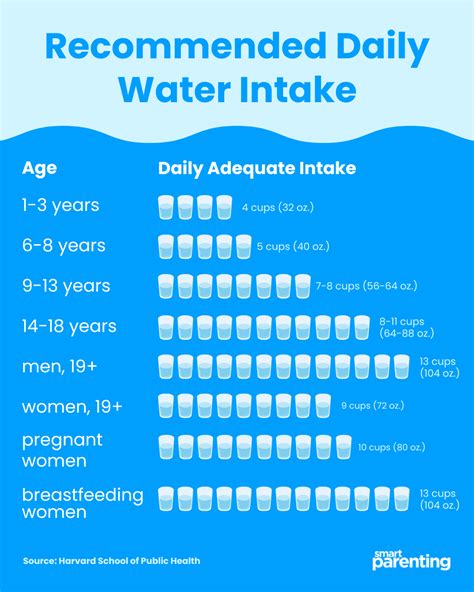
Drinking plenty of water is crucial for maintaining skin hydration from the inside out. Aim for at least 8-10 glasses of water daily. This helps keep the skin supple and elastic.
3. Nourish Your Skin with Moisturizers
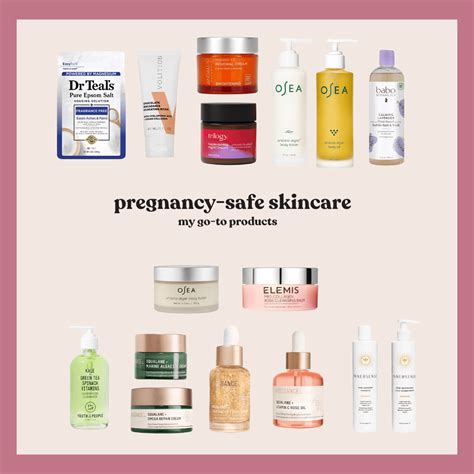
Regularly apply rich, hydrating creams, lotions, or oils to areas prone to stretch marks, such as the abdomen, breasts, hips, and thighs. Massage the product into the skin, as this may help boost its efficacy.
Look for products containing ingredients known for their moisturizing properties, such as:
- Hyaluronic acid
- Centella asiatica
- Cocoa butter
- Shea butter
- Vitamin E
- Aloe vera
Consistent application, even if results are not immediate, is key. Be mindful of ingredients and consult your doctor if you have concerns about specific product formulations.
4. Eat a Nutrient-Rich Diet
A diet that supports skin health is vital for maintaining elasticity. Focus on foods rich in vitamins A, C, and E, as well as zinc and protein. These nutrients are essential for collagen production and overall skin integrity.
- Vitamin C: Found in citrus fruits, berries, and bell peppers, it aids collagen development.
- Vitamin E: Present in nuts, seeds, and spinach, it has antioxidant properties.
- Zinc: Found in lean meats, nuts, and seeds, it supports skin repair.
- Protein: Essential for building and repairing tissues, found in lean meats, fish, beans, and dairy.
Include plenty of fruits, vegetables, nuts, seeds, and lean proteins in your daily meals.
5. Engage in Regular Exercise
Gentle, regular exercise can improve blood circulation and oxygenation to the skin, contributing to its elasticity. Activities like prenatal yoga, swimming, and walking are excellent choices during pregnancy. Always consult your healthcare provider before starting or continuing an exercise program.
6. Practice Safe Sun Protection
Protecting your skin from excessive sun exposure is important for overall skin health and may indirectly help in managing stretch marks.
Ingredients to Consider and Avoid
When choosing skincare products, be aware of certain ingredients:
Beneficial Ingredients
- Hyaluronic Acid: Known for its hydrating properties, it can help plump the skin.
- Centella Asiatica: This herb is suggested by some research to improve the appearance of stretch marks.
- Moisturizing Oils: Ingredients like cocoa butter, coconut oil, almond oil, and argan oil provide deep hydration.
Ingredients to Approach with Caution or Avoid During Pregnancy
- Fragrances ("fragrance," "natural fragrance"): These can be a shorthand for undisclosed ingredients, some of which (like phthalates) may be concerning.
- Ethoxylated Ingredients: These chemicals are often present as contaminants and may not be listed on labels.
- Topical Retinoids: While effective for treating existing stretch marks, they are generally not recommended during pregnancy due to potential risks.
- Certain Essential Oils: Some essential oils, such as carrot seed, sage, and cinnamon bark, are not recommended during pregnancy.
- Alpha Hydroxy Acids (AHAs) and Beta Hydroxy Acids (BHAs): Ingredients like salicylic acid and glycolic acid should be used sparingly and infrequently, with medical guidance.
If you have used a product with a concerning ingredient, do not panic. Simply discontinue use and switch to a safer alternative after consulting with your doctor.
Treating Existing Stretch Marks
If stretch marks do develop, various treatments can help reduce their appearance. It's often most effective to address them when they are newly formed (red or purple).
In-Office Treatments
- Laser Therapy: Lasers and energy-based devices can stimulate collagen production and improve skin texture, making marks less noticeable.
- Microneedling: This procedure encourages collagen production by creating micro-injuries in the skin.
- Chemical Peels: Can help exfoliate the skin and promote new cell growth.
- Microdermabrasion: A gentle exfoliation technique to improve skin texture.
Note that many in-office treatments are not suitable during pregnancy. It is best to wait until after delivery to explore these options if you are concerned about the appearance of your stretch marks.
At-Home and Topical Treatments
While some over-the-counter creams and oils may offer moisturizing benefits, be wary of products marketed as miracle cures. Ingredients like hyaluronic acid and Centella asiatica are often recommended for improving the appearance of existing marks.
Embracing the Changes
Stretch marks are a testament to the incredible work your body does during pregnancy. While they can be a cosmetic concern for some, they are a natural part of the journey for many women. Embracing these changes as part of the experience of bringing new life into the world can be empowering. If you have concerns about stretch marks, discussing them with your healthcare provider or a dermatologist can provide personalized advice and potential solutions.