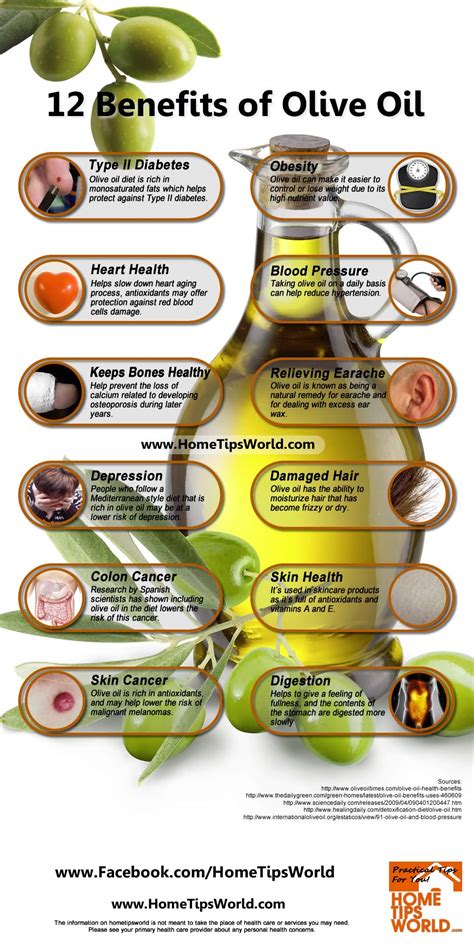
For millennia, olive oil has been a cornerstone of skincare routines, celebrated as "liquid gold." Its rich history is intertwined with ancient civilizations, from Egypt, where it was used in embalming rituals, to Greece and Rome, where it featured prominently in bathing ceremonies. This enduring legacy is due to its remarkable antibacterial and antioxidant properties, making it a sought-after ingredient in soaps, lotions, and other beauty products.
Historically, olive oil-based unguents and cosmetics were found in 5,000-year-old Egyptian tombs. In Ancient Greece, bathers would apply olive oil to their skin before scraping it off with a metal blade to remove dirt and sweat, a practice later adopted by the Romans. Olive oil soap production has a long tradition in the Levant, dating back over 1,000 years, and by the fourteenth century, it was crucial in the medieval soap factories of Venice and Marseille.
The Science Behind Olive Oil's Skin Benefits
Extra virgin olive oil (EVOO) boasts a potent combination of antifungal and antibacterial properties, along with a high concentration of antioxidants. Dozens of identified phenolic compounds in EVOO have been proven to help stave off skin infections. Furthermore, vitamin E, a key antioxidant found in EVOO, has shown potential in combating the bacteria responsible for acne, eczema, and psoriasis.
Beyond its antimicrobial effects, the vitamins and antioxidants in EVOO offer a range of other benefits. Vitamin E aids in protecting the skin from ultraviolet (UV) light, and some evidence suggests EVOO can help reverse UV-induced damage. Antioxidants trap free radicals, preventing them from damaging skin cells and thereby reducing the effects of aging. The anti-inflammatory properties of EVOO can also assist in healing damaged skin tissue, although some experts believe its effectiveness is greater when ingested rather than applied topically. There's even some evidence suggesting ingested EVOO can help heal burned skin tissue, but dermatologists caution against topical application on burns.
Olive oil's composition also makes it an excellent moisturizer. As an emollient, it fills the gaps between skin cells with lipids, creating a barrier that prevents bacteria and alleviates irritation associated with dry, flaky skin. Being an occlusive, EVOO traps water beneath a thin oily film, helping to retain moisture. For optimal absorption, it's recommended to apply EVOO or products containing it to damp skin, thereby sealing in water.
Potential Downsides: Can Olive Oil Cause Acne?
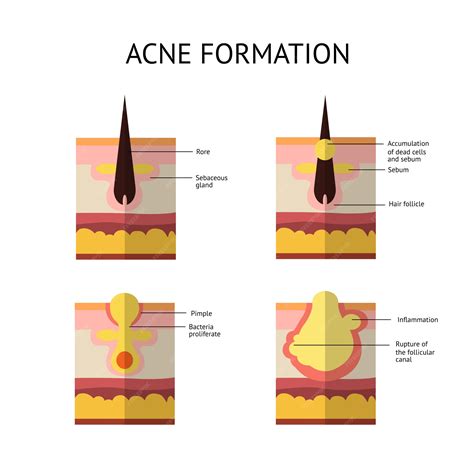
While olive oil offers numerous skin benefits, its application, especially in large quantities, can have a comedogenic effect, potentially clogging pores and leading to acne breakouts. Dermatologists recommend using raw EVOO in moderation, suggesting application with an eyedropper followed by gentle massaging. Applying too much olive oil may clog pores, contributing to pimples, acne, and skin irritation. A small amount, roughly the size of a dime, is advised, with excess oil being wiped away with a towel or cloth.
The high oleic acid content, while beneficial for moisture, can also disrupt the skin's protective barrier. Studies have indicated that regular application of olive oil can weaken this barrier, leading to increased water loss and mild irritation. Furthermore, research suggests that oleic acid may contribute to acne formation, particularly in individuals prone to breakouts, and can even help acne-causing bacteria attach to skin follicles.
A significant consideration is that olive oil rates as moderately comedogenic, meaning it has the potential to clog pores for some individuals. This is primarily attributed to its oleic acid content. Additionally, olive oil can make the skin more susceptible to UV radiation penetration, potentially worsening dark spots and increasing the risk of sunburn and skin cancer due to its lack of SPF. Therefore, it's crucial to avoid applying olive oil to sunburned skin, as it can exacerbate damage.
How to Use Olive Oil Safely on Your Skin
For those interested in incorporating olive oil into their skincare, several guidelines can help mitigate risks. Always perform a patch test on a small area of skin before widespread application. Applying olive oil to damp skin, particularly immediately after showering, can enhance absorption. Use only small amounts and consider avoiding the face if you have acne-prone skin. Opting for extra virgin olive oil is recommended to maximize antioxidant benefits.
Dermatologists often suggest that olive oil may be more suitable for dry body skin rather than facial skin. Applying it after bathing, when pores are open, can aid moisture absorption. If you experience irritation, increased breakouts, or worsening dryness after using olive oil, it's advisable to consult a dermatologist. They can recommend alternative products that offer similar benefits without the potential drawbacks of barrier disruption or breakouts.
Who Should Avoid Olive Oil on Their Skin?
Individuals with the following skin types or conditions are generally advised to avoid using olive oil directly on their skin:
- Acne-prone or oily skin
- Eczema or other conditions involving a compromised skin barrier
- Rosacea
- Sensitive skin prone to irritation
Olive Oil as a Makeup Remover and Moisturizer
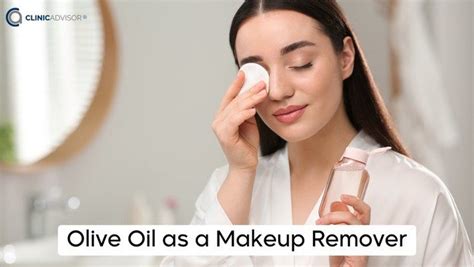
One of the most popular uses of EVOO is as a makeup remover. It effectively breaks down the waxy substances in waterproof makeup like eyeliner and mascara. While it may not remove all makeup on its own, it serves as an excellent first step to lift makeup from the skin. The antioxidants, including squalene, present in EVOO can also moisturize the delicate skin around the eyes and help alleviate oxidative stress that contributes to wrinkles.
As a moisturizer, EVOO's emollient and occlusive properties help retain skin hydration. Applying it to damp skin is key to trapping moisture within the skin cells. However, moderation is crucial to prevent pore clogging.
Choosing the Right Olive Oil for Skincare
When using olive oil for skincare, it is paramount to choose high-quality, extra virgin olive oil. This variety retains the highest concentration of beneficial compounds, including antioxidants and vitamins. While olive oil can be used directly, many dermatologists recommend products that incorporate EVOO as an ingredient, as these are often formulated to balance efficacy with cosmetic elegance and minimize potential risks.
For those with oily or acne-prone skin, or those sensitive to potential irritation, commercially formulated facial creams and serums containing EVOO may be a safer and more effective choice. These products are designed to deliver the benefits of olive oil without the same risk of pore clogging or barrier disruption.
The Bottom Line
Olive oil offers potential benefits for the skin, including moisturizing very dry skin and providing antioxidant protection. However, it is not a universal solution. The same oleic acid that moisturizes can also weaken the skin barrier and clog pores, leading to breakouts. For individuals with normal to dry skin and no acne concerns, occasional use on the body might be beneficial. Nevertheless, many dermatologist-formulated products provide comparable or superior results with fewer drawbacks. Consulting with a dermatologist is recommended to determine the best approach for your specific skin type and concerns.