Tea tree oil, also known as melaleuca oil, is a natural essential oil derived from the leaves of the Australian Tea Tree. It is recognized for its potent, camphor-like aroma. Traditionally, tea tree oil has been employed as a herbal remedy for a variety of ailments, including dandruff, eczema, lice, scabies, athlete's foot, insect bites, nail fungus, and fungal and bacterial skin infections. More recently, it has gained popularity as a natural treatment for acne.
Family physician Simon Hodes, MB ChB, notes that while many patients use tea tree oil for various skin issues, its effectiveness for acne can vary from person to person. He emphasizes that "substances like tea tree oil have been used by communities and cultures for hundreds or thousands of years with good effect and minimal harm."
The Science Behind Tea Tree Oil for Acne
Tea tree oil's efficacy in treating acne can be attributed to its anti-inflammatory and antimicrobial properties. These characteristics make it a suitable option for individuals with acne-prone skin.
A study from 1990 compared a 5% tea tree oil solution with a 5% benzoyl peroxide solution. While benzoyl peroxide acted more quickly, both treatments ultimately showed positive results. Notably, tea tree oil was associated with fewer side effects. However, Dr. Hodes points out that "the trial data is patchy with low numbers of patients. There’s no financial incentive for large-scale research."
More recent research from the National Library of Medicine suggests that applying tea tree oil to the face twice daily can improve milder forms of acne. Furthermore, a 2006 study published in Clinical Microbiology Reviews highlighted that the anti-inflammatory properties of tea tree oil might be beneficial for cystic acne, which can lead to bumps, inflammation, and skin hyperpigmentation. A 2015 study published on PubMed also indicated that tea tree oil could minimize the appearance of hypertrophic acne scarring.
A 2017 study involving 14 participants found that applying tea tree oil to the face twice daily for 12 weeks led to a "significant improvement" in mild to moderate acne with no serious side effects. However, it's important to note the limited sample size and adherence to research quality standards in this particular study.
Additionally, a 2018 study demonstrated that a combination of aloe vera, propolis, and tea tree oil could also improve acne. While research suggests tea tree oil may help with acne, it is not considered a cure-all.
How to Use Tea Tree Oil for Acne Safely
It is crucial to dilute tea tree oil before applying it to the skin, as 100% pure tea tree oil can cause adverse effects such as dryness, blistering, and rashes.
Dilution Methods:
- With Carrier Oils: Mix approximately 12 drops of a carrier oil (such as coconut, jojoba, or argan oil) with every one to two drops of tea tree oil. Choose a carrier oil that best suits your skin type.
- With Witch Hazel: For a toner-like consistency, witch hazel can be used as a diluent.
- Pre-mixed Products: Many skincare products are available that already contain tea tree oil in a diluted and safe concentration.
Patch Testing and Left-Right Trials:
Before incorporating tea tree oil into your regular skincare routine, it is highly recommended to perform a patch test on your inner forearm to check for any adverse reactions. Due to the sensitivity of facial skin, especially when dealing with acne, this step is essential.
To assess its effectiveness, Dr. Hodes suggests a "left-right trial." Apply the diluted tea tree oil to one side of your face and observe the results over a few weeks. This method is particularly useful for individuals using multiple skincare products or undergoing oral acne treatments.
Application Steps:
- Begin by washing your face with your preferred cleanser and gently patting it dry.
- For spot treatment: Apply the diluted tea tree oil directly to blemishes using a cotton swab or round.
- For prevention: Spread the diluted product evenly across your face with a cotton round, avoiding the eye and lip areas.
- Allow the oil to absorb into the skin before applying your usual moisturizer.

Frequency and Patience
For optimal results, apply diluted tea tree oil twice daily. It is important to note that it may take up to 12 weeks to observe noticeable improvements in acne. Dr. Hodes advises, "You have to be patient with the skin." Consistent use is key to achieving and maintaining results.
If no improvement is seen after 12 weeks of consistent use, it is advisable to consult a healthcare provider or a dermatologist.
Potential Side Effects and Precautions
While tea tree oil is generally well-tolerated, some individuals may experience side effects. It is important to remember that "one size doesn’t fit all when it comes to any kind of skin care-and tea tree oil is no exception."
- Skin Irritation: Tea tree oil can cause irritation, dryness, itching, stinging, burning, redness, or swelling in some individuals. If any of these occur, discontinue use.
- Sun Sensitivity: Like many acne treatments, tea tree oil can increase skin sensitivity to the sun. It is essential to use a broad-spectrum sunscreen with a high SPF daily.
- Allergic Reactions: In rare cases, an allergic reaction to tea tree oil can occur, manifesting as itching, redness, or swelling.
- Ingestion Toxicity: Tea tree oil is toxic if ingested and should never be taken by mouth. Keep it out of reach of children and pets.
- Interactions with Other Ingredients: Combining tea tree oil with other active ingredients like benzoyl peroxide, salicylic acid, or retinol may cause irritation. However, many products are formulated to combine these ingredients safely.
Special Precautions:
- Tea tree oil is likely unsafe if taken by mouth, potentially causing serious side effects such as confusion, inability to walk, unsteadiness, rash, and coma.
- When applied to the skin, it is possibly safe for most people but may cause allergy, irritation, and swelling.
- Pregnant and breastfeeding individuals can likely use tea tree oil on the skin, but ingestion is still unsafe.
- Children may experience irritation and swelling when tea tree oil is applied to the skin.
- Individuals with allergies to other plants may experience skin itching and burning from tea tree oil.
Product Quality and Selection
Tea tree oil is not regulated as a medication, meaning product quality can vary significantly. It is important to:
- Choose a Trusted Manufacturer: Look for reputable brands with positive reviews and recommendations.
- Check Concentration: Ensure you understand the concentration of tea tree oil in the product.
- Review Other Ingredients: Be aware of any additional ingredients in the product, as they may affect your skin.
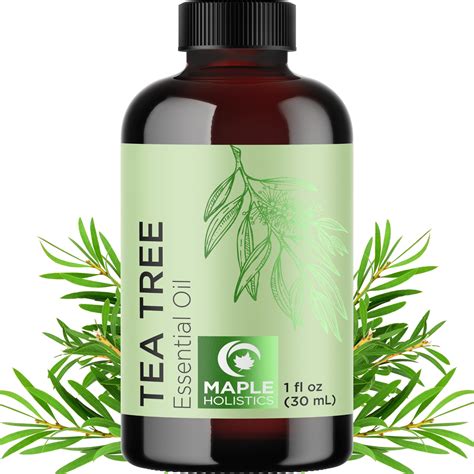
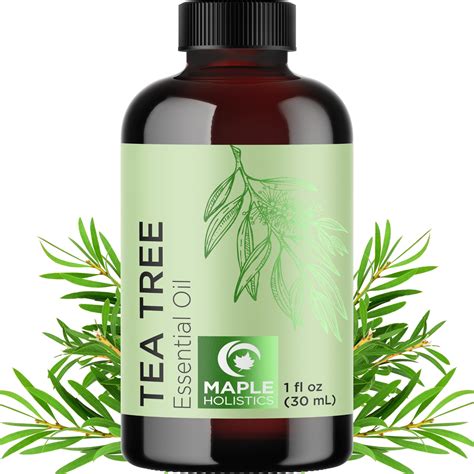
- Purchase Pure Oil: When buying pure tea tree oil, ensure the label clearly states "100 percent tea tree oil."
Available products containing tea tree oil include pure essential oil, cleansers, lotions, shampoos, body washes, mouth rinses, sprays, and creams, often in concentrations ranging from 5% to 50%.
Conclusion
Tea tree oil is a natural product with anti-inflammatory and antimicrobial properties that has been used traditionally for centuries. For those struggling with acne, a diluted form of tea tree oil may be a beneficial addition to a skincare routine, particularly for mild to moderate cases. While it may not be as fast-acting as some conventional treatments, it often causes fewer side effects. Always prioritize safe dilution, patch testing, and consistent application, and consult a healthcare professional if you have concerns or do not see the desired results.