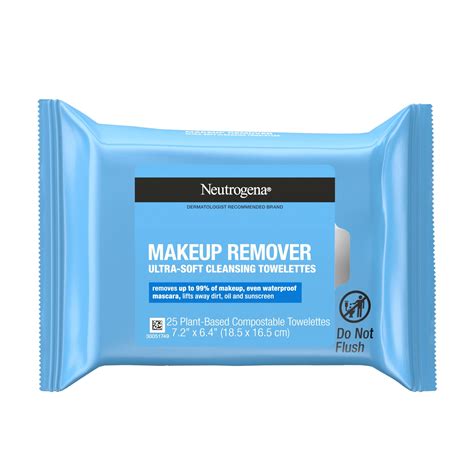
Equate Beauty Makeup Remover Cleansing Towelettes offer a gentle and effective method to refresh your skin daily. These wipes are designed to swiftly remove dirt, oil, and makeup from both your face and neck. They are even capable of dissolving stubborn waterproof mascara, leaving your skin feeling thoroughly clean and prepared for subsequent skincare steps.
Understanding the Ingredients
The formulation of Equate Beauty Makeup Remover Cleansing Towelettes includes a variety of ingredients, each serving a specific purpose in cleansing and conditioning the skin.
Water (Aqua)
The most ubiquitous ingredient in skincare, water (H2O) in cosmetic products is purified and deionized, meaning mineral ions have been removed. It acts as a primary solvent and assists in blending oil and water components within the formula, while also enhancing the solubility of other ingredients.
Phenoxyethanol
Considered a leading preservative, phenoxyethanol is a safe and gentle alternative to parabens. Introduced around the 1950s, it is found naturally in green tea but is synthetically produced for cosmetic use. It boasts excellent thermal stability (up to 85°C) and functions across a wide pH range (3-10). Phenoxyethanol is often paired with ethylhexylglycerin to boost its preservative efficacy.
DMDM Hydantoin
This preservative is known for its formaldehyde-releasing properties. While formaldehyde is naturally occurring and present in small amounts in foods, concerns exist regarding its slow release from certain preservatives and potential toxicity to skin's defense cells (Langerhans Cells). Additionally, formaldehyde-releasers may interact with skin's amino acids, potentially causing allergic reactions in some individuals. The decision to avoid this preservative group is a personal one.
Imidazolidinyl Urea
This preservative is effective against yeasts and molds and is considered non-comedogenic. While safe in concentrations below 0.1%, it is acutely toxic when inhaled, making it unsuitable for aerosol products like hairsprays.
Glyceryl Stearate
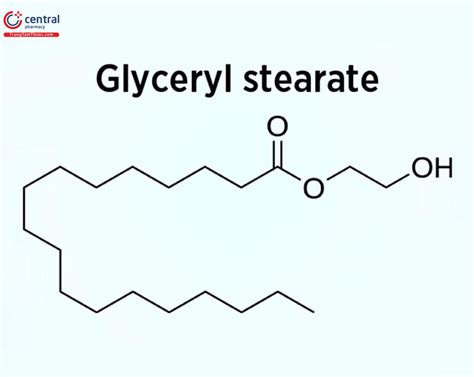
Chemically, this ingredient is a glycerol molecule attached to stearic acid, a fatty acid. It can be derived from vegetable oils through a process similar to soap making and is readily biodegradable. Glyceryl stearate also occurs naturally in the body and is used as a food additive. It functions as a common, medium-spreading emollient.
Dimethicone
A clear, slightly yellow, odorless oil, dimethicone is a ubiquitous silicone emollient. In skincare, it imparts a silky smooth feel, a subtle gloss, and forms a protective barrier on the skin. It can temporarily fill fine lines and wrinkles, giving the skin a plumper appearance. Dimethicone is also a base ingredient in some scar treatment gels, improving their softness and elasticity. In hair care, its non-volatile nature allows it to smooth hair effectively.
Cetearyl Alcohol
This white, waxy emollient contributes "body" to skincare formulations, providing a richer texture.
Ceteareth-20
A common, medium-spreading emollient ester, Ceteareth-20 adds richness to formulas and provides a mild feel during application. It can serve as an alternative to mineral oil and is often blended with other emollients to achieve specific sensory qualities.
Citric Acid
Derived from citrus fruits, citric acid is an Alpha Hydroxy Acid (AHA). While it has some skin-improving properties, studies suggest it may be less potent than glycolic or lactic acid.
Fragrance
This ingredient is added to provide a pleasant scent to cosmetic products. For individuals concerned about ingredient transparency or those with sensitive skin, fragrance can be a potential issue, being a common cause of contact allergies to cosmetics.
Common Skincare Ingredients|Explained
In summary, Equate Beauty Makeup Remover Cleansing Towelettes utilize a blend of water, preservatives, emollients, and conditioning agents to effectively cleanse the skin while leaving it feeling soft and refreshed. The formulation includes common skincare ingredients like Dimethicone for smoothing and barrier protection, and Glyceryl Stearate for emollience.