In the pursuit of effective skincare, the question of whether to incorporate specialized tools like facial cleansing brushes into one's routine is a common one. While the principle of "work smarter, not harder" applies to many aspects of life, including skincare, it's essential to understand the true benefits and potential drawbacks of these popular devices compared to traditional cleansing methods. This guide delves into what facial cleansing brushes are, how they work, their efficacy, and whether they are a worthwhile addition to your skincare regimen.
The Importance of Proper Facial Cleansing
The foundation of any effective skincare routine is proper cleansing. This initial step is crucial for removing impurities, preparing the skin for subsequent treatments, and maintaining overall skin health. A thorough cleanse removes dirt, grime, makeup, and dead skin cells, which can otherwise lead to various skin concerns.
Benefits of Regular Cleansing:
- Breaking down and removing buildup of dirt, bacteria, and dead surface cells.
- Helping to manage acne and other skin conditions.
- Aiding topical treatments and other skincare products to penetrate deeper into the skin.
Beyond cosmetic concerns, good skin hygiene habits are vital for preventing diseases and infections. Proper cleansing is also a critical first step in managing common dermatological issues such as atopic dermatitis, rosacea, and xerosis.
What Are Facial Cleansing Brushes?
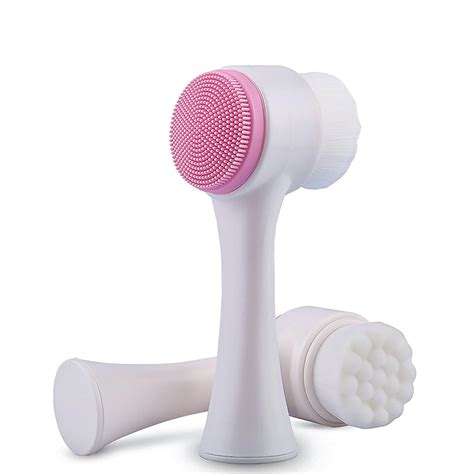
Facial cleansing brushes are designed to enhance the cleansing process by providing a deeper clean and exfoliation. They utilize bristles or silicone pads that move in a back-and-forth or circular motion to remove dirt, makeup, excess sebum (oil), and dead skin cells from the skin and pores. Many of these brushes are motorized, offering a more vigorous cleanse than manual methods. Some advanced models feature "sonic vibration" technology, intended to dislodge debris embedded deep within pores, which can be beneficial for combating acne.
Do Cleansing Brushes Actually Work?
While extensive scientific research directly comparing the effectiveness of cleansing brushes to manual cleansing is limited, existing studies suggest that sonic brushes, in particular, may be more effective at removing surface contaminants. Evidence also indicates that sonic brushes might be superior to mechanical brushes in reducing both inflammatory and non-inflammatory acne lesions, making them a potentially valuable tool for maintaining acne-prone skin. Furthermore, sonic brushes may cleanse the skin effectively without stripping too much sebum, a common issue with harsher cleansing methods that can lead to dryness and irritation.
Types of Facial Cleansing Brushes:
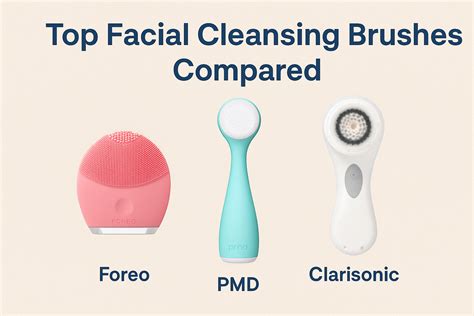
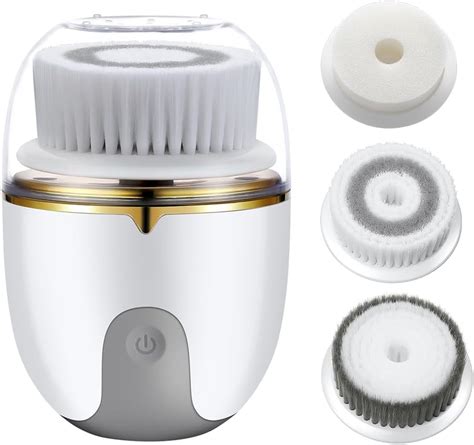
- Rotating Brushes: These are common and typically use bristles that spin to exfoliate the skin. They can be effective for oily or combination skin but may be too harsh for sensitive types and require regular brush head replacement.
- Sonic Brushes: Utilizing quick vibrations, these brushes aim to access pores and improve circulation. They offer a thorough yet gentle cleanse and are often considered less damaging than rotating brushes.
- Silicone Brushes: Made with soft silicone bristles, these are generally gentler and more hygienic than bristle brushes. They are an excellent option for sensitive skin but might not provide as deep a clean as some other types.
- Manual Brushes: These are operated by hand and are a more affordable option, though potentially less effective than motorized versions.
Are Cleansing Brushes Worth the Investment?
The decision to incorporate a facial cleansing brush into your routine largely comes down to personal preference and skin type. They are not a necessity, and improper use can lead to over-exfoliation, resulting in irritation, inflammation, and breakouts, especially for those with sensitive skin. If you choose to use a cleansing brush, limiting usage to one to two times per week is generally recommended. For individuals with sensitive skin prone to irritation, gentler exfoliation methods, such as using a konjac sponge with a mild cleanser, might be a better alternative.
Considerations Before Buying:
Cost:
Facial cleansing brushes vary significantly in price, with some high-end models costing $200 or more. Additionally, brush heads or silicone pads require regular replacement, adding to the ongoing cost.
Time Commitment:
While using a cleansing brush itself doesn't add substantial time to your routine, cleaning the brush head after each use is crucial to prevent bacteria buildup. This step adds a small but necessary amount of time to your regimen.
Potential Complications:
Improper care and sanitation of the brush head can lead to bacterial growth, similar to washcloths or sponges. Over-washing and over-exfoliation can also cause irritation, inflammation, and breakouts, particularly for sensitive skin. Regular cleaning and timely replacement of brush heads are essential to mitigate these risks.
Expert Opinions and Recommendations
Dermatologists generally hold an impartial stance on facial cleansing brushes, often cautioning against excessive scrubbing. The consensus is that while these tools can offer benefits, they are not indispensable. Many individuals maintain healthy skin without them, and traditional cleansing methods can be equally effective. Factors such as cost, time commitment, and potential for irritation should be weighed carefully.
Some experts advise against silicone face-scrubbing tools, suggesting that a simple hand massage can provide similar benefits, such as stimulating blood flow, without the potential for over-exfoliation. While some may find brushes more motivating for cleansing, the core goal of removing dirt and impurities can be achieved through manual methods.
If you have sensitive skin, rosacea, or acne-prone skin, it's advisable to exercise caution. A facial brush can be too harsh and reactive, potentially exacerbating these conditions. If you wish to try a cleansing brush, opt for one with very soft bristles and begin with infrequent use, gradually increasing frequency as your skin tolerates it. It's recommended to start using a brush once or twice a week and observe your skin's reaction.
Face Lymphatic Drainage : Using a Dry Brush
How to Use and Care for Your Cleansing Brush
To maximize the benefits of a facial cleansing brush and minimize risks, proper usage and maintenance are key:
Using Your Cleansing Brush:
- Start with a clean, makeup-free face.
- Wet the brush head with lukewarm water.
- Apply your preferred facial cleanser to the bristles.
- Gently move the brush over your face in light, circular motions. Avoid applying excessive pressure. If using a motorized brush, allow the device to do the work.
- Rinse your face thoroughly with lukewarm water.
- Pat your face dry with a soft towel.
Cleaning Your Cleansing Brush:
- After each use, rinse the brush head under lukewarm water to remove residual cleanser and debris.
- Use a mild soap or baby shampoo to gently wash the brush head.
- Pat the brush head dry with a towel.
- Allow the brush to air dry completely before storing.
- For a deeper clean, soak the brush in a mixture of warm water and vinegar once a week.
- Regularly replace brush heads as recommended by the manufacturer to ensure hygiene and effectiveness.
It is generally not recommended to use a facial cleansing brush more than twice a week. Overuse can lead to irritation and other skin issues.
When to Avoid Cleansing Brushes
Certain skin conditions warrant caution or complete avoidance of facial cleansing brushes:
- Active Acne Infections: The bristles of a brush can pick up bacteria from infected areas and spread it to other parts of the face, potentially causing new breakouts or worsening existing ones.
- Very Sensitive Skin: Brushes can be too harsh for highly sensitive skin, leading to irritation, redness, rashes, and increased breakouts.
- Conditions like Rosacea or Eczema: The abrasive nature of some brushes can aggravate these inflammatory skin conditions.
If you have any concerns about using a facial cleansing brush, consulting with a dermatologist is always the best course of action.
tags: #exfoliating #face #brush #facial #cleanser