Shea butter, a rich emollient derived from the kernels of shea trees native to sub-Saharan Africa, has been prized for centuries for its remarkable skincare properties. Traditionally recognized for its anti-inflammatory and pain-relieving qualities, shea butter is now predominantly valued for its potent ability to nourish, soften, and revitalize the skin.
Origin and Composition of Shea Butter
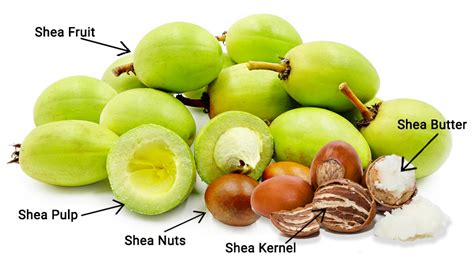
The journey of shea butter begins with the kernels of the shea tree (Vitellaria paradoxa). These kernels are traditionally crushed, roasted, and ground into a paste, which is then kneaded and boiled to extract the oil. This oil solidifies upon cooling, resulting in the characteristic creamy, buttery texture of shea butter. The shea tree is indigenous to the African continent, and the butter primarily originates from this region. Shea butter is solid at room temperature but melts upon contact with the skin, similar to coconut oil.
Commercially, shea butter is available in two main forms: raw (unrefined) and refined. Raw shea butter, typically beige or yellow, retains its natural nutty, earthy scent and is rich in vitamins and nutrients. Refined shea butter undergoes additional processing, including treatment and filtering, resulting in a white, odorless butter with a smooth texture. However, this refining process can lead to a loss of some essential nutrients, such as cinnamic acid, an anti-inflammatory substance.
The composition of shea butter is key to its efficacy. It is naturally high in fatty acids, including linoleic, oleic, palmitic, and stearic acids, as well as antioxidants such as vitamins A and E. These components contribute significantly to its moisturizing, protective, and rejuvenating effects on the skin.
Key Benefits of Shea Butter for Your Skin
1. Intense Moisturization and Skin Barrier Support
One of the primary reasons shea butter is a staple in numerous face moisturizers and body lotions is its exceptional ability to soften and hydrate the skin. It functions as an effective emollient, creating a smooth and soft barrier on the skin's surface that seals in moisture. This is particularly beneficial for individuals with dry or parched skin, helping to maintain its suppleness and prevent moisture loss. The fatty acids present in shea butter are crucial for improving the skin's natural barrier function, thus protecting it from environmental damage, such as pollutants and harsh weather conditions like wind and cold air.
For those with drier skin types, shea butter provides a much-needed dose of hydration. Its rich texture melts into the skin, delivering long-lasting moisture without necessarily feeling slick or greasy. This enhanced barrier function contributes to skin that feels more balanced, resilient, and comfortable.
2. Anti-inflammatory Properties for Soothing Irritated Skin
Research highlights the presence of anti-inflammatory compounds in shea butter, making it an excellent choice for soothing and nourishing irritated or upset skin. It is often incorporated into products designed to alleviate inflammatory skin conditions such as eczema and psoriasis, as well as to calm sunburns. The anti-inflammatory substances in shea butter can help to ease swelling and redness, providing relief from various forms of irritation, including chapped lips and skin reactions to aggressive peels or scrubs.
While shea butter offers mild sun protection benefits with an estimated SPF of three to four, it is not sufficient to replace sunscreen. However, its inclusion in sun-protective products can complement their function by providing soothing and moisturizing effects.
3. Aiding in Wound Healing and Scar Reduction
The rich fatty-acid content of shea butter plays a significant role in its ability to aid in healing and potentially speed up the scar-healing process. It is frequently found in scar-healing products because these fatty acids help to soften scar tissue. Studies suggest that shea butter may be particularly effective in preventing the formation of keloid scars-raised, red, and rubbery scars.
Its emollient properties are believed to contribute to this effect, assisting in the repair and softening of damaged skin tissue. This makes it a valuable ingredient for post-injury or post-surgery skincare.
4. Potential Benefits for Acne-Prone Skin
Surprisingly, shea butter can also benefit those with acne. When acne-prone skin becomes dry, it may overproduce sebum, leading to clogged pores. Shea butter helps to prevent this cycle by keeping the skin hydrated and thus reducing the likelihood of excessive sebum production. Contrary to some concerns, there is no evidence to suggest that shea butter itself causes oily skin. Furthermore, limited evidence indicates that shea tree bark possesses antibacterial properties, which could translate to beneficial effects in managing acne.
However, it is important to note that some dermatologists suggest shea butter may not be the best option for all acne-prone skin types, as it can potentially clog pores. Individuals prone to breakouts should exercise caution or opt for formulations specifically designed for their skin type.
5. Antioxidant Properties and Anti-Aging Effects
Shea butter is a source of several antioxidants, including vitamins A and E, as well as compounds similar to those found in green tea. Antioxidants are vital for protecting the skin against environmental stressors associated with aging, such as air pollution and sun damage. Vitamin A is crucial for skin health, promoting skin-cell turnover, smoothing the skin's surface, and stimulating collagen production, which helps maintain skin firmness and reduce wrinkles.
Vitamin E, particularly in its alpha-tocopherol form, offers potent antioxidant activity. It helps prevent cellular damage and boosts moisture levels, which is beneficial as sebum production, naturally containing vitamin E, tends to decline with age and due to sun exposure. While shea butter may not erase wrinkles, its antioxidant content can contribute to a radiant and healthy-looking complexion.
Shea Butter for After Sun Relief - 7 Amazing Benefits
Shea Butter vs. Other Butters and Considerations
Shea Butter vs. Cocoa Butter
Both shea butter and cocoa butter are effective plant-based moisturizers. However, they differ in texture, scent, and nutritional profile. Shea butter generally has a creamier texture and a milder, nutty scent, while cocoa butter is firmer and has a distinct chocolatey fragrance. Shea butter is richer in fatty acids and contains vitamins A and E, whereas cocoa butter lacks vitamin A.
Raw vs. Refined Shea Butter
Raw (unrefined) shea butter is considered superior for skincare as it retains more of its beneficial vitamins and nutrients, including cinnamic acid. Refined shea butter, while having a more neutral scent and appearance, may have lost some of these essential components during processing.
Allergen Information
Shea butter is generally considered safe and non-irritating, even for those with nut allergies, as it is primarily composed of fat and contains very little of the proteins that typically trigger allergic reactions. However, raw shea butter may contain latex, so individuals with latex allergies should opt for refined shea butter or perform a patch test.
Potential for Clogging Pores
Despite its many benefits, shea butter is considered potentially comedogenic, meaning it may clog pores and lead to breakouts, especially for individuals with acne-prone or oily skin. It is also noted that yeast related to dandruff can grow in shea butter, making it potentially unsuitable for those with seborrheic dermatitis or dandruff.
Daily Use and Application
Using shea butter regularly can help skin retain moisture, keeping it soft and smooth. It can be applied to the face in the morning or at night. However, applying makeup over shea butter in the morning might be challenging due to its rich texture. For those prone to acne, it's advisable to use shea butter cautiously or in formulations designed to minimize pore-clogging potential.
Beyond skincare, shea butter is also beneficial for hydrating dry hair, soothing itchy scalps, and conditioning lips. Its versatility makes it a valuable ingredient in a wide range of personal care products.
tags: #face #moisturizer #with #shea #butter