Whenever you get a pimple, you probably want it to heal quickly. But sometimes, acne blemishes leave a dark mark on your skin even after the pimple is gone. This is frustrating, but not uncommon. Getting rid of these dark spots on your skin starts with understanding what causes them in the first place.
What Causes Dark Spots?
When a pimple appears on your skin, it’s technically a form of inflammation. As your skin heals and new skin cells form, it’s possible that the cells sent to help restore your skin’s smooth surface contain too much melanin. Melanin is what gives your skin its color, and when certain cells have more melanin than others, the result is a darker patch of skin. This is referred to as post-inflammatory hyperpigmentation (PIH).
Anything that makes your skin inflammation last longer, like picking or squeezing a blemish, can increase your chances of post-inflammatory hyperpigmentation. People with naturally darker skin tones are more prone to this condition.
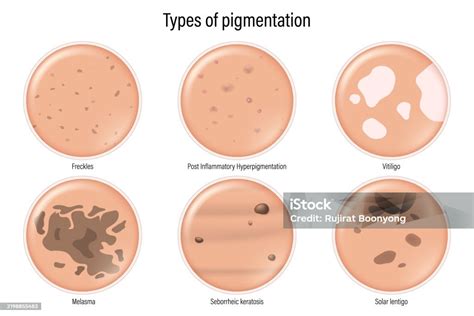
Blemishes vs. Dark Spots: Key Differences
It's important to distinguish between treating dark spots from acne and treating scar tissue. Scars involve damaged or overgrown tissue and are difficult to fully remove, often remaining visible even after fading over time. Dark spots, on the other hand, are flat against the surface of your skin and do not indicate long-term damage to skin cells, pores, or follicles.
While dark spots tend to become lighter over time and eventually disappear completely, this process can take anywhere from a few months to several years. Fortunately, you don't have to wait for them to fade naturally. There are various home remedies, over-the-counter (OTC) products, and professional dermatology treatments available to expedite the process.
Understanding Hyperpigmentation
Hyperpigmentation is a general term for any skin condition that covers a large area and causes dark patches to appear. It occurs when the skin produces excess melanin. A dark mark or dark spot is a specific area that appears darker than the surrounding skin.
Causes of Hyperpigmentation
Hyperpigmentation can arise from a combination of lifestyle factors and other influences. Common causes include:
- Acne and acne scarring
- Birth control and other medications
- Injury or inflammation
- Pregnancy
- Sun exposure
Signs of Hyperpigmentation
- Uneven skin tone: Hyperpigmentation can cause uneven skin tone on any part of the body, including the face.
- Dark marks: These can appear as spots, similar to freckles, especially with significant sun exposure.
- Colored patches: Hyperpigmentation can manifest as black, brown, gray, pink, or red patches on the face and body.
Note: If you notice changes in the shape, size, or color of a dark spot, or suspect it might be something more serious, consult a dermatologist.
Treating Dark Spots and Hyperpigmentation
The treatment approach for dark spots and hyperpigmentation can vary, ranging from home remedies to professional interventions.
Home Remedies
While many home remedies have anecdotal evidence, they are generally considered safe to try. Some popular options include:
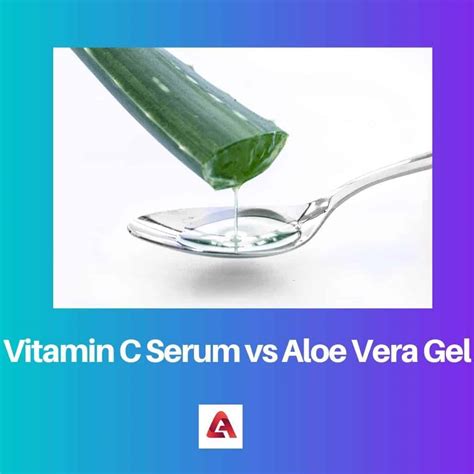
- Vitamin C: Known for its brightening properties.
- Aloe vera: Often cited for its healing properties.
Sun Protection: The First Line of Defense
A vigilant sun-protection routine is crucial for treating any dark spots. Wearing sunscreen with an SPF of at least 30 daily, even on overcast days, will help prevent further skin damage.
Accessorizing with wide-brimmed hats and sunglasses can also provide additional protection from harmful UV rays.
Over-the-Counter (OTC) Treatments
If home remedies aren't providing the desired results, OTC treatments offer a range of active ingredients proven to be effective. These ingredients work by inhibiting melanin synthesis and promoting skin cell turnover.
Look for products containing:
- Retinoids (Vitamin A)
- Vitamin E (Tocopherol)
- Alpha hydroxy acids (AHAs), such as mandelic acid
- Kojic acid
- Azelaic acid
Caution: Some OTC products carry a risk of removing too much pigment, leading to hypopigmentation. It is advisable to speak with your dermatologist before trying new OTC products.
Dermatologist Treatments
For more persistent or severe cases, professional treatments offered in a dermatologist's office may be necessary. It's important to note that these treatments are typically not covered by health insurance as PIH does not pose a health danger, meaning costs will likely be out-of-pocket.
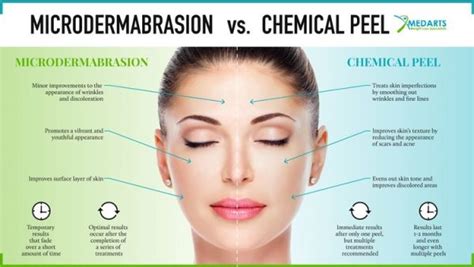
Chemical Peels
Chemical peels remove damaged skin cells to reveal younger-looking skin underneath. They involve applying a strong solution of topical acids, which is then removed, taking layers of skin cells with it. Costs can range from $600 or more.
Microdermabrasion
Microdermabrasion uses a device to blast tiny particles at the skin or a diamond-tipped device to exfoliate the skin's surface. This treatment aims to buff away imperfections and is often used for dark spots. It is considered minimally invasive and typically costs around $150.
Laser Resurfacing
Laser skin resurfacing utilizes different types of lasers to remove dead skin and encourage new cell growth in deeper layers. Lasers can also help break up scar tissue and correct dark spots. The cost varies depending on the laser type and number of treatments needed, typically ranging from $1,000 to $2,000 per session.
Preventing Future Dark Spots
Preventing the formation of dark spots is as important as treating existing ones. Key preventative measures include:
- Consistent Sun Protection: Apply SPF 30 sunscreen daily.
- Avoid Picking Blemishes: Resist the urge to pick at pimples, as this can lead to inflammation and scarring, ultimately contributing to dark spots.
- Use Brightening Skincare Ingredients: Incorporate products with ingredients like Vitamin C, niacinamide, and licorice extract.
- Gentle Exfoliation: Regularly use a gentle chemical exfoliator to remove dead skin cells and promote a brighter complexion.
It's also crucial to be mindful of cosmetic products, as some may contain undisclosed ingredients like mercury, especially those bought internationally or sold online. Always shop from trusted vendors.
When to Consult a Healthcare Professional
If you frequently develop dark spots, or if their appearance significantly affects your daily life, it is advisable to consult a healthcare professional or dermatologist. Creating a treatment plan with a dermatologist can provide a realistic perspective and effective management strategies.
The 3 Types Of Hyperpigmentation & How Best To Treat It
It can take a while, but dark spots tend to become lighter over time and eventually disappear completely. It can take anywhere from a few months to years for them to vanish. Patience and consistency with your chosen treatment are key to achieving an even-toned, glowing complexion.